
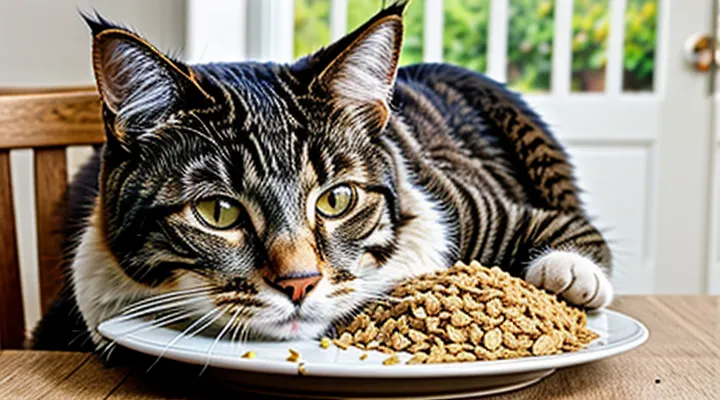
1. Understanding Feline Nutritional Needs
1.1 Essential Nutrients for Cats
Cats require a precise balance of nutrients to maintain health throughout their lifespan. Deficiencies or excesses accelerate organ decline, reduce immune function, and shorten longevity. The following nutrients constitute the core dietary foundation for felines.
- Taurine - indispensable for retinal health, cardiac muscle integrity, and reproductive performance. Commercial cat foods must contain at least 0.1 % taurine on a dry‑matter basis; deficiency leads to irreversible blindness and dilated cardiomyopathy.
- Arachidonic acid - the only essential fatty acid cats can synthesize in insufficient amounts. It supports skin barrier function, inflammatory regulation, and kidney health. Minimum inclusion is 0.02 % of the diet.
- Vitamin A (preformed retinol) - required for vision, epithelial maintenance, and immune response. Cats cannot convert β‑carotene to active vitamin A; thus, animal‑derived sources are mandatory.
- Vitamin D3 - critical for calcium homeostasis and bone mineralization. Excessive supplementation is toxic; precise formulation is essential.
- B‑complex vitamins (especially B12 and B1) - facilitate protein metabolism, nerve function, and energy production. Deficiency manifests as neurological disorders and weight loss.
- High‑quality animal protein - supplies essential amino acids, including arginine, which prevents hyperammonemia. Minimum protein content should exceed 30 % of dry matter, with a high proportion derived from meat, fish, or poultry.
- Minerals (calcium, phosphorus, magnesium, potassium, sodium, chloride, zinc, copper, iron, selenium) - required in specific ratios to avoid skeletal abnormalities and metabolic imbalances. The calcium‑to‑phosphorus ratio must remain between 1:1 and 1.4:1.
Each nutrient functions within a narrow therapeutic window. Over‑supplementation of fat‑soluble vitamins (A, D, E, K) or minerals can cause toxicity, while under‑supply precipitates chronic disease. Formulating a diet that meets these exact specifications eliminates the need for harmful human foods that lack these essential components. Proper adherence to these nutritional standards greatly extends a cat’s lifespan and preserves quality of life.
1.2 Dietary Requirements by Life Stage
Veterinary nutrition specialists agree that a cat’s diet must evolve with its physiological stage to support longevity and prevent disease.
Kittens (0‑12 months) require high‑quality protein, fat, and readily digestible calories to fuel rapid growth. Essential nutrients include taurine, arachidonic acid, and vitamin A in bioavailable forms. Food sources high in these compounds-such as animal‑derived muscle meat and organ tissue-should dominate meals. Avoid feeding kittens dairy products, raw fish, or excessive carbohydrates, which can impair nutrient absorption and trigger intestinal upset.
Adult cats (1‑7 years) benefit from a balanced regimen that maintains lean body mass while controlling caloric intake. Protein levels should remain high (30‑40 % of calories), with moderate fat (10‑15 %) to supply essential fatty acids. Calcium‑phosphorus ratios must stay near 1.2:1 to preserve skeletal health. Foods containing artificial sweeteners, onion/garlic powders, or high‑salt content must be excluded, as they increase the risk of renal strain and hypertension.
Senior cats (8 years and older) experience reduced metabolic rate and declining organ function. Diets should lower calorie density while preserving protein quality to counteract sarcopenia. Inclusion of omega‑3 fatty acids (EPA/DHA) supports joint mobility and cognitive function. Reduced phosphorus and sodium levels help mitigate Kidney Disease" rel="bookmark">chronic kidney disease progression. Eliminate foods with high phosphorus additives, processed treats, and any morsels containing bones or sharp fragments that could cause dental injury.
Adhering to these stage‑specific guidelines eliminates harmful ingredients and aligns nutrient intake with the cat’s changing biology, thereby extending healthspan and reducing premature mortality.
2. Common Harmful Ingredients in Cat Food
2.1 Artificial Additives and Preservatives
As a veterinary nutrition specialist, I observe that many commercial cat foods contain synthetic additives and preservatives designed to extend shelf life and enhance flavor. These compounds rarely appear in a natural feline diet and can accumulate in the body over time.
Artificial colorants such as Red 40, Yellow 5, and Blue 1 are linked to urinary tract irritation and may trigger allergic reactions. Flavor enhancers, including monosodium glutamate (MSG) and hydrolyzed protein isolates, can overstimulate taste receptors, encouraging overeating and weight gain. Synthetic sweeteners, notably sucralose, lack nutritional value and may disrupt gut microbiota balance.
Preservatives fall into two categories: chemical and natural. Common chemical agents-BHA, BHT, ethoxyquin, and propylene glycol-are associated with liver strain, oxidative stress, and, in some studies, carcinogenic potential. Natural alternatives like mixed tocopherols and rosemary extract provide antioxidant protection without the same risk profile, yet they are less prevalent in low‑cost formulas.
The physiological impact of these substances includes:
- Chronic inflammation of gastrointestinal lining
- Impaired renal function due to increased toxin load
- Accelerated aging of cellular membranes
- Heightened risk of metabolic disorders
To reduce exposure, select products that list only whole‑food ingredients, avoid unnecessary additives, and feature preservative‑free or naturally preserved formulas. When in doubt, consult the ingredient list; any entry ending in “-ate,” “-acid,” or “-synthetic” warrants scrutiny.
2.2 Fillers and By-Products
Cats require diets rich in animal protein, essential amino acids, and nutrients that support organ function and longevity. Fillers and by‑products undermine these requirements by diluting nutrient density and introducing indigestible components.
Common fillers include corn starch, wheat gluten, soy meal and rice bran. They serve primarily to bulk up volume and reduce cost, yet provide limited protein quality and may trigger gastrointestinal irritation. By‑products such as animal “meal” derived from carcass remnants, bone fragments, and organ tissue often contain variable nutrient profiles and may harbor contaminants if not properly processed.
- Corn starch: high carbohydrate load, promotes weight gain, interferes with glucose regulation.
- Wheat gluten: potential allergen, low taurine content, may exacerbate intestinal inflammation.
- Soy meal: contains phytoestrogens, can affect hormone balance, lower digestibility.
- Rice bran: fiber excess, may cause loose stools, limited essential amino acids.
Animal by‑products present additional concerns:
- Meat and bone meal: unpredictable ratios of muscle to bone, risk of excess calcium or phosphorus, possible heavy‑metal residues.
- Organ extracts: variable vitamin and mineral concentrations, inconsistent quality control.
Long‑term consumption of these ingredients reduces bioavailability of critical nutrients such as taurine, arachidonic acid, and vitamin A, all of which are vital for retinal health, cardiac function, and immune competence. Deficiencies accelerate age‑related decline, increase the likelihood of renal disease, and shorten overall lifespan.
Veterinarians and nutrition scientists recommend selecting formulas that list named animal proteins (e.g., chicken, turkey, salmon) as the primary ingredient, minimize carbohydrate fillers, and avoid unspecified by‑products. Such choices align with feline physiology and support a longer, healthier life.
2.3 Excessive Carbohydrates
Cats are obligate carnivores; their physiology requires a diet dominated by animal protein and fat. When carbohydrate levels exceed the modest amounts naturally present in prey, metabolic pathways become strained. Excess glucose is converted to fat, leading to weight gain and increased risk of insulin resistance. Chronic hyperglycemia accelerates the development of type 2 diabetes, a condition that shortens lifespan and reduces quality of life.
High‑carbohydrate formulas also affect urinary health. Elevated glucose in the bloodstream raises urine glucose concentration, creating an environment that favors bacterial growth and crystal formation. This predisposes cats to urinary tract infections and struvite stones, both of which can cause painful blockages and renal damage if untreated.
Digestive function suffers as well. Cats lack sufficient amylase activity to break down large quantities of starch efficiently. Undigested carbohydrates reach the colon, where bacterial fermentation produces gas and short‑chain fatty acids. The result is diarrhea, flatulence, and potential dysbiosis, compromising nutrient absorption and immune competence.
Practical measures for owners include:
- Selecting wet foods where protein accounts for at least 70 % of caloric content and carbohydrate content remains below 10 %.
- Avoiding dry kibble labeled as “grain‑free” if it lists corn, rice, or peas among the top ingredients.
- Limiting treats to protein‑based options with minimal added sugars or fillers.
- Reading ingredient lists to ensure the first three components are animal‑derived proteins.
- Consulting a veterinary nutritionist when transitioning to a homemade or raw diet to maintain balanced micronutrients.
By minimizing carbohydrate intake, owners support optimal glucose regulation, maintain healthy body weight, and protect renal and urinary systems, thereby extending their feline companions’ longevity.
2.4 Unidentified Meat Sources
Veterinary nutritionists consistently advise against offering cats any meat whose origin cannot be verified. Unidentified meat may harbor pathogens, such as Salmonella, Campylobacter, or Toxoplasma gondii, which can cause acute gastroenteritis and long‑term organ damage. Heavy metals-including lead, cadmium, and mercury-often accumulate in livestock raised in contaminated environments; without clear sourcing, cats are at risk of chronic toxicity that shortens lifespan. Chemical residues from unregulated slaughterhouses, such as antibiotics, hormones, or illegal additives, can disrupt feline endocrine function and contribute to renal insufficiency.
Key concerns associated with ambiguous meat sources:
- Presence of zoonotic bacteria and parasites
- Accumulation of heavy metals and environmental toxins
- Undisclosed use of growth promoters or drug residues
- Variable nutrient composition leading to imbalanced diets
Mitigation strategies for cat owners:
- Purchase meat exclusively from accredited suppliers that provide batch‑specific documentation.
- Require transparent labeling that includes species, farm of origin, and processing dates.
- Avoid “mystery meat” products, pet food blends without ingredient breakdown, and any meat obtained from informal markets.
- Freeze and thaw purchased meat according to veterinary guidelines to reduce microbial load.
- Conduct periodic veterinary blood panels to detect early signs of heavy‑metal exposure or organ stress.
By eliminating meat with uncertain provenance, owners remove a significant source of hidden health hazards, supporting the goal of extending feline longevity.
3. The Impact of Poor Diet on Feline Health
3.1 Digestive Issues and Allergies
Cats are prone to gastrointestinal disturbances when their diets include ingredients they cannot properly digest. Proteins such as raw fish contain thiaminases that degrade thiamine, leading to deficiency‑related vomiting and diarrhea. High‑fat commercial treats overload the pancreas, causing pancreatitis that manifests as abdominal pain, loss of appetite, and watery stools. Grain‑based fillers, especially wheat and corn, lack nutritional value for felines and can irritate the intestinal lining, resulting in chronic soft‑feces episodes.
Allergic reactions often appear as digestive upset rather than skin lesions. Sensitization to dairy proteins may trigger inflammation of the gut mucosa, producing frequent, foul‑smelling stools and intermittent constipation. Food‑borne molds in improperly stored canned food release mycotoxins that provoke intestinal inflammation, leading to reduced nutrient absorption and weight loss. Repeated exposure amplifies the immune response, increasing the risk of systemic illness.
Key indicators of diet‑induced digestive problems include:
- Recurrent vomiting after meals
- Sudden changes in stool consistency or frequency
- Persistent flatulence or foul odor
- Unexplained weight fluctuation
When any of these signs emerge, eliminate the suspect ingredient for at least two weeks and monitor the cat’s response. If symptoms resolve, reintroduce foods one at a time to identify the trigger. Consultation with a veterinary nutritionist ensures a balanced diet that meets feline amino‑acid, vitamin, and mineral requirements without exposing the animal to harmful substances.
3.2 Obesity and Related Diseases
Obesity in felines is the most common nutritional disorder, driven by excessive caloric intake and insufficient activity. Overweight cats experience a measurable decline in life expectancy, as excess fat impairs organ function and accelerates metabolic disturbances.
Key health problems linked to feline obesity include:
- Diabetes mellitus: insulin resistance develops when adipose tissue releases inflammatory mediators, leading to chronic hyperglycemia.
- Osteoarthritis: additional weight places stress on joints, hastening cartilage degeneration and reducing mobility.
- Hepatic lipidosis: rapid weight loss in obese cats can trigger fatty infiltration of the liver, often resulting in fatal complications.
- Cardiovascular strain: increased blood volume and hypertension elevate the risk of heart disease.
- Respiratory difficulty: excess tissue restricts airway expansion, causing reduced oxygen exchange.
Preventing weight gain requires precise portion control, selection of low‑calorie protein sources, and regular exercise. Monitoring body condition score weekly provides early detection of excess fat. Adjusting feeding schedules to multiple small meals rather than a single large portion reduces the likelihood of overeating. Incorporating interactive play sessions stimulates muscle activity and supports metabolic health.
Long‑term management depends on consistent dietary evaluation and veterinary oversight. Regular blood work assesses glucose, liver enzymes, and lipid profiles, identifying emerging issues before they become irreversible. By eliminating high‑fat, high‑carbohydrate foods and maintaining a balanced diet, owners can significantly lower the incidence of obesity‑related diseases and improve their cat’s chances of reaching senior years.
3.3 Kidney and Urinary Tract Problems
Cats are particularly vulnerable to renal and lower urinary tract disorders, and dietary choices can accelerate disease onset. High‑phosphorus ingredients, excessive sodium, and acidic food components increase the workload on the kidneys and promote crystal formation in the bladder. Over time, this stress can lead to Kidney Disease" rel="bookmark">chronic kidney disease (CKD) or feline lower urinary tract disease (FLUTD), both of which shorten lifespan.
Key dietary culprits include:
- Canned foods with added broth or gravy that contain high sodium levels.
- Dry kibble formulated with excessive protein from meat by‑products, raising phosphorus intake.
- Foods flavored with artificial preservatives and flavor enhancers, which can irritate the urinary epithelium.
- Treats rich in dairy or egg yolk, which are acidic and may promote stone formation.
Veterinary nutrition research shows that reducing soluble phosphorus to less than 0.3 % of the diet and maintaining a moderate sodium content (under 0.2 % dry matter) supports kidney function and urinary health. Balanced moisture levels-ideally 70 % or higher-help dilute urine, decreasing the risk of crystal precipitation.
Implementing a diet low in soluble phosphorus, moderate in sodium, and high in moisture can delay CKD progression and prevent FLUTD episodes. Regular monitoring of blood work and urine specific gravity, combined with these nutritional adjustments, offers the best chance for a cat to enjoy a long, healthy life.
3.4 Diabetes and Pancreatitis
Diabetes and pancreatitis are interrelated metabolic disorders that dramatically reduce a cat’s lifespan when diet contributes to their development. High‑glycemic carbohydrates cause rapid spikes in blood glucose, prompting the pancreas to release excess insulin. Persistent hyperinsulinemia leads to insulin resistance, the primary driver of feline diabetes mellitus. Simultaneously, excessive dietary fats overload pancreatic acinar cells, triggering inflammation and, in severe cases, acute or chronic pancreatitis.
Cats with diabetes require strict glycemic control; any food that provokes large post‑prandial glucose excursions undermines insulin therapy. Similarly, pancreatitis patients cannot tolerate high‑fat meals, as fatty acids exacerbate enzyme leakage and inflammation. The combination of uncontrolled diabetes and recurrent pancreatitis accelerates weight loss, dehydration, and organ failure, shortening the animal’s functional years.
To protect senior felines, eliminate the following ingredients from their diet:
- Commercial cat treats containing corn syrup, dextrose, or other simple sugars.
- Table scraps rich in processed meats, fried foods, or butter.
- Canned products with added fish oil or excessive animal fats beyond the cat’s caloric needs.
- Dry kibble with high carbohydrate content (≥30 % of total calories).
When formulating a balanced diet, prioritize protein sources with low fat content and incorporate complex carbohydrates that release glucose slowly. Include omega‑3 fatty acids from purified fish oil in modest amounts; they support anti‑inflammatory pathways without overwhelming the pancreas. Regular monitoring of blood glucose and serum lipase levels enables early detection of metabolic disturbances, allowing dietary adjustments before irreversible damage occurs.
Veterinary nutritionists recommend feeding small, frequent meals to maintain stable glucose levels and reduce pancreatic workload. Portion control prevents obesity, a major risk factor for both conditions. By removing high‑sugar and high‑fat foods and adhering to a measured feeding schedule, owners can significantly improve the odds that their cats will enjoy a longer, healthier life.
3.5 Reduced Lifespan and Quality of Life
Feeding cats foods high in simple carbohydrates, excessive sodium, or artificial additives accelerates metabolic disorders that shorten their lifespan. Elevated blood glucose from sugary treats triggers insulin resistance, leading to diabetes mellitus and associated organ damage. Chronic kidney disease develops more rapidly when cats ingest high‑phosphorus and high‑salt diets, compromising filtration capacity and causing systemic toxemia.
Nutrient imbalances also impair musculoskeletal health. Diets lacking adequate taurine, omega‑3 fatty acids, or vitamin A predispose cats to cardiomyopathy, arthritis, and visual degeneration. These conditions diminish mobility, reduce the ability to hunt or play, and erode overall well‑being.
Key dietary pitfalls that directly reduce longevity and quality of life include:
- Processed kibble containing excessive corn, wheat, or soy protein
- Canned foods with added sugars or high sodium levels
- Human snacks such as cheese, bread, or flavored yogurts
- Raw fish lacking proper supplementation of thiamine
Eliminating these items from a cat’s regimen supports stable weight, preserves renal function, and maintains cardiac health, thereby extending both the years lived and the vitality experienced within those years.
4. Identifying High-Quality Cat Food
4.1 Reading and Interpreting Ingredient Labels
When evaluating cat food, the ingredient label provides the most reliable insight into nutritional quality and potential health risks. Begin by locating the first few ingredients; these represent the largest proportion of the product. Proteins such as deboned chicken, turkey, or fish should appear at the top. Names that include “meal,” “by‑product,” or “rendered” indicate lower‑quality protein sources, often accompanied by excess carbohydrates and fillers.
Pay attention to the presence of artificial additives. Colorants (e.g., Red 40, Yellow 5), flavor enhancers (e.g., monosodium glutamate), and synthetic preservatives (e.g., BHA, BHT) are unnecessary for feline diets and may contribute to organ strain over time. Look for natural preservation methods such as tocopherols (vitamin E) or mixed tocopherols.
Examine carbohydrate content. Ingredients such as corn, wheat, soy, or rice listed high on the list suggest a diet heavy in plant‑derived carbs. Cats are obligate carnivores; excessive carbohydrates can lead to obesity, diabetes, and urinary issues. Prefer formulas where carbohydrates are minimal or derived from digestible sources like pumpkin or sweet potato.
Check for essential nutrients. Taurine, arachidonic acid, and vitamin A must be present in adequate amounts. These are often listed toward the end of the ingredient list but should be identified by their specific names rather than generic “vitamin blend.” Verify that the label includes an analysis of guaranteed analysis percentages for protein, fat, fiber, and moisture.
Finally, assess the label’s compliance with regulatory standards. Look for statements such as “AAFCO‑approved” or “complete and balanced” and confirm that the product has undergone feeding trials or meets nutrient profiles. A label that meets these criteria, avoids low‑quality proteins, artificial additives, and excessive carbs, and provides essential nutrients offers the best chance for a cat to enjoy a long, healthy life.
4.2 Recognizing Reputable Brands
When evaluating cat‑food manufacturers, focus on objective evidence rather than marketing hype. Reputable brands consistently meet the following standards:
- Transparent ingredient sourcing - detailed lists identify the origin of proteins, fats, and carbohydrates; vague terms such as “meat meal” are avoided.
- Independent nutritional verification - formulas are approved by a qualified veterinary nutritionist and tested by third‑party laboratories for nutrient balance and contaminants.
- Regulatory compliance - products adhere to the Association of American Feed Control Officials (AAFCO) or equivalent regional guidelines, with clear statements of guaranteed analysis on the label.
- Recall history - companies with few or no recalls demonstrate robust quality‑control processes; a documented recall timeline is readily accessible.
- Scientific research backing - peer‑reviewed studies are cited to support health claims, and the brand invests in ongoing research rather than relying solely on anecdotal testimonials.
Cross‑checking these criteria against publicly available databases and professional veterinary recommendations helps eliminate brands that prioritize profit over feline longevity. Selecting food from manufacturers that satisfy these benchmarks reduces the risk of hidden toxins, nutritional deficiencies, and premature health issues, thereby supporting a cat’s chances of a long, healthy life.
4.3 Consulting with Your Veterinarian
When a cat’s diet includes ingredients that can shorten its lifespan, professional guidance becomes indispensable. A veterinarian can assess nutritional needs, identify harmful components, and design a balanced feeding plan tailored to the animal’s age, weight, and health status.
Key aspects of a veterinary consultation include:
- Review of current food labels and ingredient lists.
- Blood work and urinalysis to detect early organ strain caused by problematic nutrients.
- Recommendation of high‑quality protein sources, appropriate moisture levels, and essential vitamins.
- Guidance on portion sizes and feeding frequency to prevent obesity and metabolic disorders.
- Monitoring schedule for follow‑up examinations and adjustments.
Before the appointment, gather the cat’s feeding history, any observed symptoms (vomiting, lethargy, weight fluctuation), and a list of treats or supplements used at home. Presenting this information enables the veterinarian to pinpoint risks quickly and prescribe precise dietary changes.
Regular check‑ins reinforce compliance, allow detection of subtle health shifts, and ensure the cat remains on a trajectory toward a longer, healthier life.
5. Alternative Feeding Options
5.1 Raw Food Diets
Feeding a cat a raw meat regimen significantly reduces the likelihood of reaching an advanced age. Raw diets often contain pathogenic bacteria such as Salmonella and E. coli, which can cause acute gastroenteritis and chronic immune suppression. In addition, unbalanced nutrient profiles are common; insufficient calcium-to‑phosphorus ratios weaken skeletal integrity, while excess protein without appropriate taurine supplementation predisposes to retinal degeneration and cardiomyopathy.
Key health hazards associated with uncooked feline meals include:
- Bacterial contamination leading to systemic infection.
- Vitamin deficiencies, especially vitamin A and D, resulting in ocular and skeletal disorders.
- Mineral imbalances that accelerate kidney disease.
- Absence of essential amino acids (e.g., taurine) causing irreversible heart muscle damage.
- Inconsistent caloric density, promoting obesity or malnutrition.
Veterinary nutrition guidelines recommend commercially formulated, heat‑processed foods because they guarantee sterility and precise nutrient composition. If a raw diet is considered, it must be prepared under strict hygienic protocols, undergo regular laboratory testing for pathogens, and be supplemented with verified sources of all essential vitamins, minerals, and amino acids. Even with meticulous preparation, the risk profile remains higher than that of balanced, cooked diets.
Long‑term feline health depends on predictable, complete nutrition. Eliminating raw feeding eliminates the primary source of avoidable disease and supports the goal of extending a cat’s lifespan.
5.2 Homemade Cat Food
Homemade cat food can be a viable alternative to commercial diets when formulated with precision, but it demands strict adherence to nutritional standards to support longevity.
A balanced homemade diet must contain appropriate levels of protein, fat, taurine, vitamins, and minerals. Cats are obligate carnivores; protein should derive from high‑quality animal sources, and essential amino acids such as taurine must be supplied in adequate amounts.
Key considerations for safe preparation:
- Use only fresh, lean meats (chicken, turkey, rabbit) and organ meats (liver, heart) in a 4:1 ratio to meet protein requirements.
- Include a calibrated amount of fish oil or chicken fat to provide essential fatty acids; excess fat leads to obesity and pancreatitis.
- Add a commercial taurine supplement; cooking destroys natural taurine, and deficiency causes retinal degeneration and heart disease.
- Incorporate a multivitamin/mineral blend formulated for felines to cover calcium, phosphorus, magnesium, zinc, and vitamin D.
- Avoid ingredients toxic to cats: onions, garlic, grapes, raisins, chocolate, and excessive dairy.
Preparation guidelines:
- Cook meat thoroughly to eliminate pathogens; avoid boiling, which leaches nutrients, and instead use steaming or baking at low temperature.
- Cool cooked components rapidly, then blend with supplements to ensure uniform distribution.
- Store portions in airtight containers, refrigerate for up to three days, or freeze for longer periods; discard any food showing discoloration or odor.
Monitoring health indicators-body condition score, coat quality, activity level, and regular veterinary blood work-provides feedback on dietary adequacy. Adjust formulations based on veterinary recommendations to maintain optimal health and extend lifespan.
5.3 Wet vs. Dry Food Considerations
Veterinary nutrition specialists agree that the balance between moisture and kibble profoundly influences a cat’s lifespan. Wet food delivers 70‑80 % water, supporting renal function and urinary tract health. It also tends to contain higher protein concentrations per calorie, which helps maintain lean muscle mass in senior cats. However, wet formulas often have shorter shelf life after opening and can be more expensive per serving.
Dry food offers convenience, precise nutrient profiles, and dental benefits from the mechanical action of chewing. Its low moisture content necessitates increased water intake, which many owners overlook; insufficient hydration can accelerate kidney decline. Additionally, some dry diets rely heavily on carbohydrate fillers that may contribute to obesity and insulin resistance if portions are not carefully measured.
Key considerations for long‑term health:
- Hydration: Prioritize wet meals or supplement dry kibble with water, broth, or a water fountain.
- Protein quality: Choose products with animal‑derived proteins listed as the first ingredient; avoid excessive plant proteins.
- Caloric density: Match portions to the cat’s activity level and age to prevent weight gain.
- Ingredient transparency: Select brands that disclose sourcing and processing methods; avoid ambiguous “by‑products” or artificial preservatives.
- Veterinary oversight: Regular blood work and urine analysis guide adjustments between wet and dry ratios as the cat ages.
Integrating both formats can provide nutritional completeness while mitigating the drawbacks of each. A typical regimen for a mature cat might consist of two wet meals per day supplemented with a measured portion of dry kibble, ensuring consistent nutrient intake and optimal hydration.
6. Transitioning to a Better Diet
6.1 Gradual Introduction of New Food
Veterinary nutrition specialists advise that any change in a cat’s diet be introduced slowly to protect gastrointestinal health and allow early detection of adverse reactions. Begin with a quantity no larger than one‑quarter of the usual serving, mixed with the current food, and observe the animal for 48‑72 hours. If stool consistency, appetite, and activity remain normal, increase the proportion by another quarter every two to three days until the new food comprises the full ration.
Key points for a successful transition:
- Use a single, high‑quality protein source; avoid mixing multiple novel ingredients at once.
- Record any signs of vomiting, diarrhea, or lethargy; discontinue the new product immediately if symptoms appear.
- Maintain consistent feeding times to reduce stress and support metabolic stability.
- Keep the old diet available for a short overlap period (no more than five days) to ensure the cat does not reject the new food outright.
Gradual introduction minimizes the risk of renal strain, allergic response, and digestive upset, all of which can shorten a cat’s lifespan. By following a measured schedule, owners can replace harmful items with safer alternatives without compromising the animal’s overall health.
6.2 Monitoring Your Cat's Response
As a veterinary nutrition specialist, I advise systematic observation whenever you eliminate a questionable ingredient from your cat’s diet. Begin by establishing a baseline: record weight, activity level, coat condition, litter‑box habits, and any pre‑existing health issues. Maintain this data in a simple table or spreadsheet, updating it daily for the first two weeks and weekly thereafter.
Key indicators of a positive response include:
- Steady or gradual weight gain in underweight cats, or stable weight in those at ideal condition.
- Increased playfulness or willingness to climb, reflecting improved energy.
- A glossy, well‑moisturized coat without excessive shedding or bald patches.
- Consistent, well‑formed stools without blood, mucus, or unusual odor.
- Normal drinking and urination patterns, indicating adequate hydration and kidney function.
Conversely, watch for signs that suggest intolerance or nutritional deficiency:
- Rapid weight loss or failure to gain weight despite adequate caloric intake.
- Lethargy, reluctance to move, or decreased interaction with owners.
- Dull, dry, or flaky fur, or the emergence of hair loss.
- Diarrhea, constipation, or frequent vomiting.
- Changes in urinary frequency, straining, or presence of blood.
If any adverse symptoms appear, pause the dietary change and consult your veterinarian promptly. Blood panels and urinalysis can reveal hidden metabolic disturbances that may not be evident through external observation alone.
Documenting trends over time provides objective evidence for both you and your veterinarian. When the cat’s condition stabilizes or improves, continue the monitoring routine quarterly to catch late‑emerging issues. This disciplined approach ensures that dietary adjustments contribute to longevity without compromising health.
7. Maintaining a Healthy Lifestyle for Your Cat
7.1 Regular Veterinary Check-ups
Regular veterinary examinations are essential for cats that are expected to reach senior years. A scheduled visit allows early detection of conditions that often develop without obvious signs, such as kidney disease, hyperthyroidism, and dental problems. Early intervention can slow progression, reduce treatment costs, and improve quality of life.
During each appointment, the veterinarian will:
- Conduct a thorough physical exam, checking weight, coat condition, heart and lung sounds, and joint mobility.
- Perform blood work and urinalysis to evaluate organ function and identify metabolic disorders.
- Examine oral health, looking for plaque buildup, gum inflammation, and tooth loss.
- Update vaccinations and discuss parasite prevention tailored to the cat’s environment.
- Review nutrition, confirming that the diet supports the cat’s age, activity level, and any medical conditions.
Cats with chronic illnesses benefit from more frequent monitoring, typically every three to six months, while healthy adults can maintain annual visits. Consistency in scheduling appointments prevents gaps in care and ensures that any subtle changes are addressed promptly.
I advise owners to keep a record of each visit, noting test results, recommendations, and any observed behavioral shifts. This documentation creates a clear health trajectory, enabling the veterinarian to adjust treatment plans as the cat ages. Regular check-ups, combined with appropriate diet and lifestyle choices, form the cornerstone of longevity for feline companions.
7.2 Adequate Hydration
Adequate hydration is a cornerstone of feline longevity. Cats evolved from desert hunters; their kidneys conserve water, making them prone to chronic low‑level dehydration when moisture intake is insufficient. Even a slight deficit can accelerate kidney decline, urinary crystal formation, and reduced tissue perfusion, all of which shorten lifespan.
To maintain optimal fluid balance, provide at least 60 ml of water per kilogram of body weight daily. For a five‑kilogram adult, this translates to roughly 300 ml. Pure water should be fresh, filtered, and changed several times a day. Cats often reject stagnant bowls; ceramic or stainless‑steel containers reduce odor buildup.
Supplementary sources of moisture enhance compliance:
- Wet canned food containing 70‑80 % moisture; replace at least half of the dry kibble portion.
- Homemade broth (unsalted, no onions or garlic) offered in small dishes.
- Cat‑friendly water fountains that create continuous flow, encouraging licking.
Monitor intake by weighing the water bowl before and after a 24‑hour period. A drop of more than 10 % below the target signals a problem that warrants veterinary assessment.
Avoid exclusive reliance on dry kibble, which typically provides less than 10 % moisture. When dry food is part of the diet, pair it with the hydration strategies above to offset the deficit. Consistent, adequate fluid consumption supports renal health, joint lubrication, and overall cellular function, contributing directly to a cat’s ability to reach advanced age.
7.3 Exercise and Mental Stimulation
Regular physical activity and cognitive enrichment significantly influence a cat’s lifespan. Muscular tone, joint health, and cardiovascular function improve when cats engage in daily movement, while mental challenges reduce stress‑induced hormone release that can accelerate aging.
A balanced routine should combine short, high‑intensity bursts with sustained play. Cats naturally alternate between sprinting and stalking; providing opportunities that mimic these patterns supports natural biomechanics and prevents obesity, a common consequence of overfeeding prohibited items.
Effective mental stimulation mirrors hunting behavior and encourages problem‑solving. Interactive toys, puzzle feeders, and rotating object arrangements keep neural pathways active, lowering the risk of age‑related cognitive decline.
Practical strategies:
- Schedule two to three 10‑minute play sessions per day, using feather wands, laser pointers, or motorized toys.
- Introduce puzzle feeders that require manipulation to release kibble, promoting both exercise and mental effort.
- Rotate toys weekly to prevent habituation; hide small treats in cardboard tubes or fabric pouches.
- Create vertical spaces-cat trees, shelves, or window perches-to encourage climbing and surveying, activities that engage both body and mind.
- Incorporate scent trails (catnip, valerian) to stimulate exploratory behavior and reinforce active movement.
Consistent implementation of these protocols, alongside a diet free of harmful ingredients, creates a synergistic environment that maximizes longevity and quality of life for felines.