
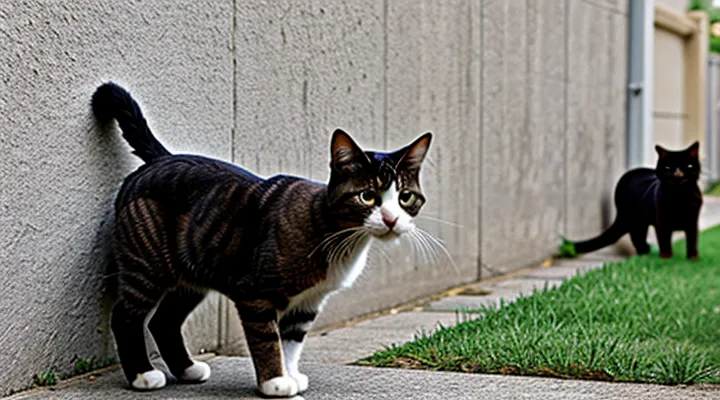
Common Explanations for Sudden Wall-Running
Play and Energy Release
Cats exhibit rapid vertical sprints when an excess of pent‑up energy meets an opportunity for play. During short bursts of activity, the feline musculoskeletal system generates high‑velocity limb movements that translate into upward thrust. The behavior serves two purposes: it discharges accumulated adrenaline and reinforces motor patterns essential for hunting.
Key physiological drivers include:
- Release of catecholamines that heighten alertness and muscle contractility.
- Activation of fast‑twitch muscle fibers, enabling explosive jumps.
- Stimulation of vestibular pathways that coordinate balance on steep angles.
Environmental cues often trigger this response. A moving laser dot, a fluttering feather, or sudden noises provide visual or auditory stimuli that the cat interprets as prey. When the stimulus appears near a wall, the animal instinctively channels its momentum into a vertical trajectory, using the surface as a launch platform.
From a behavioral perspective, the act fulfills a natural need to practice predatory sequences in a safe setting. Repeated wall‑running sessions improve coordination, sharpen reflexes, and prevent stress‑related behaviors that arise from insufficient play. Owners can manage the frequency of these episodes by offering structured play sessions, interactive toys, and safe climbing structures, thereby directing the cat’s energy into controlled outlets rather than spontaneous wall assaults.
Instinctual Hunting Behavior
Cats occasionally surge upward along vertical surfaces with startling speed. This reaction originates in the predatory sequence that has evolved over millennia. When a stimulus-such as a flickering shadow, a rustling insect, or a laser dot-appears within the cat’s field of view, the brain’s hunting circuitry activates a cascade of motor programs.
The cascade includes:
- Rapid fixation on the moving target, driven by high‑resolution retinal cells.
- Heightened catecholamine release, producing a burst of energy and focus.
- Activation of the “pounce” motor pattern, which compels the animal to close distance in the shortest possible time.
- Recruitment of hind‑limb and spinal reflexes that generate upward thrust, allowing the cat to negotiate steep angles.
Vertical leaping is a natural extension of the ground‑based pounce. In the wild, prey may hide behind bark, cliffs, or foliage; the ability to launch upward increases capture success. Domestic cats retain this ability, and the neural circuitry does not differentiate between a real mouse and a projected light. Consequently, a sudden visual cue can trigger the same response, resulting in the cat sprinting up a wall.
Environmental factors amplify the behavior. Bright reflections, rapid movements across a wall, or auditory cues that mimic prey rustle can all serve as triggers. The combination of sensory overload and innate hunting drive produces the brief, high‑intensity dash that appears inexplicable to observers.
Understanding the underlying instinctual hunting behavior clarifies why a cat may abruptly ascend a vertical surface. The response is not random; it is a precise, evolutionarily conserved mechanism designed to secure prey in three‑dimensional environments.
Environmental Factors
As a feline behavior specialist, I attribute sudden wall‑climbing episodes primarily to environmental triggers that alter a cat’s sensory perception and stress level.
Rapid changes in lighting can provoke a reflexive escape response. Bright flashes, moving shadows, or sudden darkness interrupt visual processing, prompting the animal to seek higher ground for a clearer view. Temperature spikes, especially near heating vents or direct sunlight, create localized discomfort; a cat may sprint upward to find cooler air currents along the wall surface.
Acoustic disturbances also play a role. High‑frequency sounds from appliances, ultrasonic pest repellents, or nearby construction generate anxiety, and the instinct to climb offers a perceived safe zone away from the source. Similarly, strong odors-citrus sprays, cleaning chemicals, or unfamiliar pheromones-can trigger avoidance behavior, leading the cat to ascend quickly.
Humidity fluctuations influence vestibular balance. Sudden drops in moisture can cause ear canal irritation, while excessive humidity may make surfaces slippery, encouraging rapid movement to maintain footing.
A concise list of key environmental factors:
- Variable lighting (flashing, shadows, sudden darkness)
- Localized heat sources (radiators, sunlight patches)
- High‑frequency or sudden noises (appliances, construction)
- Strong or unfamiliar scents (cleaners, repellents)
- Rapid humidity changes affecting ear equilibrium
Understanding these conditions enables owners to modify the environment-adjust lighting, regulate temperature, minimize abrupt noises, and use neutral cleaning agents-to reduce the likelihood of unexpected wall‑running behavior.
When to Be Concerned
Underlying Health Issues
Cats that suddenly dash up vertical surfaces often exhibit a symptom rather than a whimsical behavior. Rapid, erratic climbing can indicate pain, metabolic imbalance, neurological disturbance, or sensory impairment. Recognizing the medical basis prevents escalation and guides appropriate treatment.
- Hyperthyroidism - excess thyroid hormone accelerates metabolism, produces restlessness, and triggers sudden bursts of activity.
- Painful arthritis or joint injury - discomfort may compel a cat to seek height for relief, resulting in abrupt wall runs.
- Neurological disorders - vestibular disease, seizures, or cerebellar ataxia disrupt coordination, prompting uncontrolled climbing.
- Vision loss - reduced depth perception leads to misjudged jumps, causing the animal to scramble upward unintentionally.
- Cardiac arrhythmias - irregular heart rhythm can cause short‑term hyperventilation and frantic movement.
Veterinarians should perform a systematic evaluation: complete physical exam, thyroid panel, blood pressure measurement, radiographs of the spine and limbs, and neurologic assessment. If pain is suspected, analgesic trials and joint imaging refine diagnosis. Abnormal heart rhythms require electrocardiography and possibly echocardiography.
Treatment aligns with the identified condition. Antithyroid medication or radioactive iodine resolves hormonal excess. Anti‑inflammatory drugs, joint supplements, or surgical repair address musculoskeletal issues. Neurological therapy may involve anticonvulsants, vestibular rehabilitation, or dietary modifications. Vision problems warrant ophthalmic intervention or environmental adjustments to reduce hazards.
Prompt veterinary consultation mitigates risk of injury and improves quality of life. Monitoring behavior after intervention confirms resolution; persistent wall‑running warrants re‑evaluation.
Stress and Anxiety
Cats experience heightened physiological arousal when confronted with stressors such as unfamiliar noises, sudden changes in routine, or crowded environments. This arousal triggers a surge of adrenaline, which manifests as rapid, erratic movements, including the tendency to sprint up vertical surfaces. The behavior reflects a fight‑or‑flight response where the animal seeks escape routes that appear safe or inaccessible to perceived threats.
Key stressors that can provoke wall‑running include:
- Loud, intermittent sounds (e.g., construction, fireworks)
- Introduction of new animals or people into the household
- Relocation to a different residence or room
- Inadequate environmental enrichment (absence of climbing posts, hiding spots)
When anxiety dominates, the cat’s vestibular system becomes overstimulated, leading to loss of spatial awareness. The animal may misinterpret vertical walls as part of a climbing structure, especially if textured surfaces resemble familiar climbing materials. This misperception, combined with elevated cortisol levels, fuels the impulsive dash upward.
To mitigate the behavior, implement the following strategies:
- Identify and eliminate the primary source of stress; reduce exposure to loud noises or limit access to triggering areas.
- Provide multiple vertical and horizontal enrichment options (cat trees, shelves, scratching posts) to satisfy climbing instincts in a controlled manner.
- Establish a predictable daily routine for feeding, play, and rest to lower baseline anxiety.
- Apply pheromone diffusers or sprays designed to calm feline nervous systems.
- Consult a veterinary behaviorist if episodes persist, as pharmacological intervention may be warranted.
Monitoring the cat’s body language-flattened ears, dilated pupils, rapid tail flicks-offers early warning of escalating anxiety. Prompt environmental adjustments can prevent the escalation to dangerous wall‑running incidents, preserving both the animal’s safety and the household’s peace of mind.
How to Address This Behavior
Providing Enrichment
As a feline behavior specialist, I observe that sudden wall‑running episodes often indicate a deficit in environmental stimulation. When a cat lacks appropriate outlets for natural predatory and exploratory instincts, the animal may channel excess energy into atypical locomotion, such as sprinting up vertical surfaces.
Providing targeted enrichment reduces this risk. Effective measures include:
- Rotating puzzle feeders that require problem‑solving for food access.
- Installing vertical climbing structures (cat trees, shelves) positioned near windows to encourage upward movement in a controlled manner.
- Scheduling short, interactive play sessions with wand toys that mimic prey movements, fostering bursts of high‑intensity activity.
- Introducing scent enrichment (catnip, valerian) on designated play zones to heighten interest and focus.
- Offering a variety of textured surfaces (carpet, sisal, rubber) to satisfy tactile exploration.
Consistent application of these strategies balances physical exertion with mental engagement, thereby preventing the impulse to dash up walls and promoting a healthier, more predictable behavior pattern.
Managing Stress
Cats that suddenly sprint up walls often react to acute stressors. Elevated adrenaline spikes trigger a fight‑or‑flight response, redirecting energy into rapid, erratic movement. When the environment presents perceived threats-loud noises, sudden changes in routine, or unfamiliar scents-the feline nervous system releases cortisol, heightening alertness and encouraging escape behaviors. This physiological cascade explains the brief but intense wall‑climbing episodes observed in many households.
Effective stress mitigation reduces the frequency of such episodes. The following practices target the primary drivers of feline anxiety:
- Maintain consistent daily schedules for feeding, play, and litter‑box cleaning. Predictability lowers cortisol fluctuations.
- Provide safe, elevated hideaways (e.g., cat trees, covered beds) where the animal can retreat when stimuli become overwhelming.
- Introduce low‑intensity pheromone diffusers to create a calming olfactory backdrop.
- Gradually desensitize the cat to specific triggers using controlled exposure paired with positive reinforcement.
- Ensure regular veterinary check‑ups to rule out pain or medical conditions that may amplify stress responses.
Implementing these measures stabilizes the cat’s hormonal balance, diminishes the impulse to seek rapid vertical escape routes, and promotes a calmer, more controlled demeanor. By addressing stress at its source, owners can prevent the startling wall‑running displays that often alarm observers.
Consulting a Veterinarian
When a cat suddenly darts up walls, the behavior often signals an underlying medical issue. Immediate veterinary assessment is essential to differentiate between neurological, vestibular, or musculoskeletal disorders and purely environmental triggers.
A professional evaluation should include:
- Comprehensive physical examination focusing on gait, balance, and muscle tone.
- Neurological testing to detect tremors, seizures, or abnormal reflexes.
- Blood work and imaging (X‑ray, MRI, or CT) if inflammation, injury, or tumor is suspected.
- Assessment of pain levels and potential toxic exposure (e.g., pesticides, plants).
The veterinarian will ask targeted questions about recent changes in diet, environment, and activity patterns. Providing a timeline of episodes, video recordings, and details of any recent trauma helps narrow the diagnosis.
If the cause is identified as a medical condition, the clinician will prescribe appropriate treatment-pain management, anti‑inflammatory medication, or specific therapy for neurological disorders. In cases where anxiety or stress triggers the behavior, the vet may recommend behavior modification strategies, environmental enrichment, or prescribed calming agents.
Follow‑up appointments are crucial to monitor response to treatment and adjust the plan as needed. Documentation of progress, including frequency of wall‑climbing incidents, informs future decisions and prevents recurrence.
Consulting a veterinarian promptly ensures that potentially serious health problems are addressed before they worsen, safeguarding the cat’s wellbeing and restoring normal behavior.