
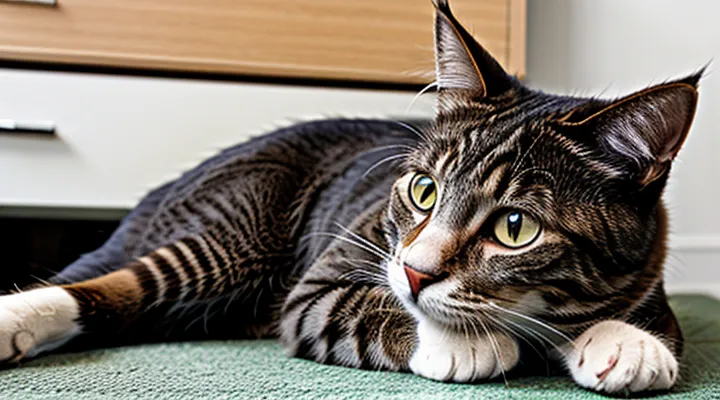
Introduction
Cat Behavior After Owner's Absence
The Feline Sense of Time
Cats measure intervals through internal circadian cycles rather than calendar dates. Their suprachiasmatic nucleus synchronizes with light cues, producing predictable daily patterns for feeding, play, and rest. When an owner leaves for several days, the feline clock registers a prolonged disruption of these patterns.
During the absence, the cat adapts to a self‑regulated schedule. Energy expenditure shifts toward solitary hunting or exploration, and social interaction diminishes. Upon the owner’s return, the animal evaluates the current environment against its recently established routine. If the home still reflects the altered schedule-different feeding times, changed scent markers, or reduced human presence-the cat may initially withhold attention.
Key factors influencing the post‑vacation aloofness:
- Perceived time gap: longer separations produce stronger routine shifts, reducing immediate affiliative behavior.
- Environmental stability: unchanged litter box placement, unchanged feeding stations, and consistent ambient light reinforce the cat’s new baseline.
- Stress response: a sudden re‑introduction of a familiar human can trigger a brief stress response, prompting distance as a coping mechanism.
The feline response is not permanent. As the owner's presence re‑establishes regular cues-feeding at familiar times, consistent vocal interaction, and predictable play-the cat’s internal clock realigns with the human schedule. Gradual restoration of these signals leads to renewed social engagement.
In practice, owners can accelerate reconnection by:
- Resuming pre‑vacation feeding times within the first hour of return.
- Offering preferred treats in the same locations used before departure.
- Engaging in short, low‑intensity play sessions to re‑introduce positive association.
Understanding the cat’s time perception clarifies why brief neglect occurs after a holiday and provides a clear protocol for re‑establishing the bond.
Individual Cat Personalities
As a feline behavior specialist, I observe that individual cat personalities dictate how a pet reacts to an owner’s absence and subsequent return. Cats do not share a uniform response; their reactions map onto distinct temperament profiles.
A cat that values independence often resumes routine activities without seeking interaction, interpreting the owner’s return as a neutral event. An extroverted cat, by contrast, may greet enthusiastically, but can also become temporarily wary if the home environment has changed during the vacation. A timid cat may withdraw further, interpreting the sudden reappearance of the owner as a potential threat and therefore maintaining distance.
Key personality dimensions influencing post‑vacation behavior include:
- Social orientation - degree of preference for human contact versus solitary play.
- Territorial confidence - comfort with changes in the home’s scent landscape.
- Adaptability - speed of adjusting to altered schedules or new objects introduced while the owner was away.
- Stress tolerance - susceptibility to anxiety triggered by unexpected stimuli.
When a cat ignores its owner after a trip, the most common underlying mechanisms are:
- Reestablishing hierarchy - a self‑reliant cat reasserts its status by limiting immediate affection.
- Scent displacement - unfamiliar odors introduced during the vacation create a temporary mismatch between the cat’s scent map and the current environment, prompting cautious behavior.
- Energy budgeting - a cat that conserves energy may prioritize feeding and grooming over social interaction until it confirms safety.
Understanding these personality traits enables owners to tailor their re‑engagement strategy. Approaches such as offering preferred treats, providing a quiet space, and allowing the cat to initiate contact respect the individual’s temperament and accelerate the reunion process.
Reasons for Indifference
Changes in Routine
Disruption of Feeding Schedule
After a vacation, many owners notice that their cat seems indifferent. One of the most common triggers is a break in the regular feeding routine. Cats are highly attuned to timing; even a deviation of a few hours can create uncertainty about resource availability. When the expected meal does not arrive, the animal may prioritize searching for food elsewhere, reducing attention toward the owner.
- Missed meals during the owner's absence leave the cat with an altered hunger pattern.
- Upon return, the caretaker often resumes feeding at a later hour than the cat has grown accustomed to.
- The cat interprets the shift as a signal that food is not reliably provided, prompting a defensive withdrawal.
The resulting behavior is not a deliberate snub but a stress response linked to survival instincts. Restoring the original schedule-same hour, same portion, same type of food-reestablishes predictability. Within a few days of consistent feeding, the cat typically resumes normal social interaction, including seeking the owner's presence.
Altered Playtime Patterns
Cats often adjust their play routines during an owner’s absence, and the resulting shift can manifest as apparent indifference upon return. When a household is empty, a cat may replace interactive sessions with solitary activities such as stalking shadows, pouncing on moving objects, or chasing self‑generated toys. This self‑directed play satisfies predatory instincts while conserving energy, but it also reinforces a pattern of independence that competes with the owner‑initiated games they previously enjoyed.
Upon the owner’s reappearance, the cat’s established play schedule may clash with the expected engagement. The animal can interpret the sudden invitation to play as a disruption of its newly stabilized rhythm, leading to a temporary withdrawal. Several mechanisms underlie this behavior:
- Reduced motivation for social play - prolonged solitary play diminishes the reward value of human‑mediated games.
- Heightened sensitivity to environmental change - the cat’s sensory system registers the altered presence of the owner as a novel stimulus, prompting caution.
- Temporal mismatch - the cat’s internal clock may have adapted to different active periods, so the owner’s attempts to play occur outside the cat’s preferred window.
- Stress‑induced avoidance - the stress of separation can cause a brief period of hyper‑vigilance, during which the cat prioritizes self‑monitoring over interactive play.
To re‑establish a cooperative play dynamic, the owner should respect the cat’s revised schedule and gradually re‑introduce interactive sessions. Initiating low‑intensity play during the cat’s peak activity phases, using familiar toys, and allowing the cat to approach on its own terms encourages a smooth transition back to shared play. Consistency in timing and tone reinforces the association between the owner’s presence and positive, low‑stress play experiences, ultimately reducing the perception of neglect.
Scent Recognition
Your Scent vs. Home Scent
Cats rely heavily on scent to identify members of their household. When you leave for a vacation, the odors you carry from the environment you visited replace, at least temporarily, the familiar home fragrance that your cat has learned to associate with safety and affection. Upon your return, the dominant scent on your skin, clothing, and hair is a mixture of foreign aromas-airport lounges, hotel rooms, outdoor air-that differ markedly from the baseline scent the cat stored before your departure.
The feline olfactory system detects these changes within seconds. Sensory receptors in the nasal epithelium transmit the new chemical profile to the brain’s vomeronasal organ, which processes social and territorial information. The cat registers the discrepancy, interprets it as a potential intruder, and may respond with avoidance or indifference until the foreign scent dissipates.
Two mechanisms accelerate the re‑establishment of your familiar odor:
- Passive diffusion: As you bathe, change clothes, and spend time in the home, the ambient scent gradually reverts to the household baseline.
- Active marking: Cats deposit facial pheromones by rubbing against you, transferring their own scent onto you and reinforcing the mutual scent bond.
During the interim, the cat’s behavior often appears dismissive. This response is not a deliberate slight but a protective reaction to an unfamiliar olfactory signature. Consistent, gentle contact-petting, feeding, and speaking in a calm voice-helps the cat recalibrate its scent map more quickly.
Understanding the scent dynamics clarifies why a cat may seem to ignore you after a trip. The temporary foreign odor disrupts the established olfactory association; once the familiar scent returns, the cat typically resumes normal interaction patterns.
Introduction of New Smells
Cats rely heavily on olfactory cues to assess their environment and the individuals within it. When a person returns from a period away, the scent they carry changes dramatically. Luggage, hotel linens, outdoor air, and even the fragrance of sunscreen introduce foreign odor molecules that mask the familiar home scent the cat has learned to associate with safety and affection. The cat perceives this altered aroma as a potential intruder, prompting a temporary withdrawal of attention.
The introduction of new smells can trigger several specific responses:
- Reduced head‑butting or rubbing, because the cat no longer detects its owner’s usual pheromonal signature.
- Increased grooming of the cat’s own fur, an effort to reinforce its personal scent against the unfamiliar.
- Preference for neutral objects (blankets, furniture) that retain the original household odor, leading the cat to avoid direct interaction with the returning owner.
These reactions are not signs of permanent rejection; they reflect the cat’s instinctual need to verify identity through scent. Re‑establishing the familiar olfactory profile requires time and deliberate exposure.
Practical steps to accelerate re‑acclimation include:
- Wearing unwashed clothing from the vacation for a short period, allowing the cat to become accustomed to the new scent gradually.
- Rubbing a soft cloth with the cat’s favorite pheromone spray and gently applying it to the owner’s hands before petting.
- Offering favorite treats or play sessions immediately after contact, reinforcing positive associations that outweigh the initial odor discrepancy.
Consistent, low‑stress interactions will enable the cat to update its scent map and resume normal social behavior. The temporary indifference observed after a trip is therefore a predictable, scent‑driven adjustment rather than a lasting change in the cat’s disposition.
Stress and Anxiety
Separation Anxiety in Cats
Cats experiencing separation anxiety often display altered behavior after an owner's absence, including deliberate avoidance. The anxiety stems from the sudden disruption of a predictable routine and the loss of the primary attachment figure. When the owner returns, the cat may temporarily withdraw as a self‑protective response, attempting to regain control over an environment that felt unstable.
Typical manifestations of separation anxiety include:
- Frequent vocalizations or excessive meowing during the owner's absence
- Destructive scratching or urination outside the litter box
- Pacing or restlessness in the home
- Reluctance to approach the owner upon return, appearing aloof or indifferent
These behaviors arise from heightened stress hormones, which impair the cat’s ability to process social cues normally. The brief period of ignoring is not a sign of permanent resentment; it reflects the cat’s need to recalibrate its emotional state.
Effective management involves three steps:
- Gradual desensitization - simulate short departures and returns to teach the cat that absences are temporary.
- Environmental enrichment - provide puzzle feeders, climbing structures, and interactive toys to reduce boredom and anxiety during alone time.
- Consistent re‑entry routine - greet the cat calmly, avoid excessive excitement, and offer a familiar scent or treat to signal safety.
Implementing these measures reduces cortisol spikes, promotes quicker re‑engagement, and restores the cat’s willingness to seek interaction after a vacation.
Environmental Changes During Absence
Cats rely heavily on stable surroundings; any alteration during a caregiver’s departure can trigger avoidance behavior upon return. When the household routine shifts-feeding times, litter box maintenance, temperature regulation-the feline perceives a breach of predictability. This breach manifests as reduced social engagement, often interpreted as deliberate ignoring.
During the owner’s absence, several environmental variables typically change:
- Food quantity or brand may differ, causing sensory disappointment.
- Litter cleanliness can decline, prompting the cat to seek alternative elimination sites.
- Ambient temperature and humidity fluctuate, especially if heating or cooling systems are adjusted for energy savings.
- New scents appear from visitors, cleaning products, or open windows, creating unfamiliar olfactory landscapes.
- Furniture placement may be altered to accommodate guests or storage needs, disrupting preferred perching or sleeping zones.
Each factor independently signals a disturbance; combined, they amplify the cat’s perception of an unsafe or untrustworthy environment. The animal responds by prioritizing self‑preservation, which includes limiting interaction until the surroundings are reassessed and re‑stabilized.
To mitigate post‑vacation aloofness, re‑establish baseline conditions promptly:
- Restore original feeding schedule and brand.
- Clean the litter box thoroughly and ensure it is positioned as before.
- Adjust climate controls to the cat’s accustomed levels.
- Remove extraneous scents and return furniture to its familiar arrangement.
- Offer low‑intensity play or treat sessions to signal safety without overwhelming the cat.
By normalizing the environment swiftly, the cat’s confidence in the household returns, and the previously observed ignoring behavior typically diminishes within a few days.
Addressing the Behavior
Re-establishing Routine
Consistent Feeding Times
When a person returns from an extended absence and the cat seems indifferent, the most common trigger is a break in the feeding schedule. Cats are obligate carnivores with a strong preference for predictability; they anticipate meals at specific times and associate those moments with the caregiver’s presence. A disrupted timetable creates uncertainty, which the animal interprets as a loss of reliability.
Inconsistent feeding generates physiological stress. Elevated cortisol levels reduce the cat’s willingness to engage socially, directing its energy toward monitoring food availability rather than seeking interaction. The animal may also perceive the caregiver as an unreliable source of nourishment, prompting avoidance behavior.
To restore trust and encourage engagement, follow these precise steps:
- Establish two daily feeding windows (morning and evening) and adhere to them strictly.
- Use an automatic dispenser if the owner’s schedule varies; program it to deliver the same portion at the predetermined times.
- Keep the type and brand of food constant; any change can amplify uncertainty.
- Position the feeding bowl in a quiet, familiar location; avoid relocating it during the re‑acclimation period.
Consistent feeding times reinforce the cat’s expectation that the caregiver will meet its basic needs, thereby reducing anxiety and prompting the animal to re‑establish affectionate contact after the owner’s return.
Scheduled Play and Affection
Cats often appear detached when their owners return from an extended absence. The underlying cause frequently relates to the disruption of predictable interaction patterns that felines rely on for security and social bonding.
Scheduled play sessions constitute a core component of a cat’s daily structure. Cats learn that specific cues-such as a particular toy, a distinct sound, or a set time of day-signal the onset of active engagement. When the owner is away, these cues disappear, and the cat’s internal timetable remains unfilled. Upon return, the animal may withhold participation until the familiar sequence is reestablished, which can be interpreted as deliberate ignoring.
Affection follows a similar temporal framework. Cats typically receive petting, grooming, or gentle handling at regular intervals. The interruption of this rhythm creates a temporary uncertainty about the owner’s availability for contact. Until the cat perceives a reliable pattern, it often chooses distance as a protective response, conserving energy for when interaction becomes predictable again.
Veterinary behaviorists recommend a systematic approach to restore the disrupted schedule:
- Reintroduce play within the first hour of arrival, using the same toy and voice cue employed before the vacation.
- Limit sessions to five minutes, then pause for equal duration; repeat three times to reinforce the pattern.
- Offer affection at consistent, short intervals-e.g., a brief petting session every 30 minutes-for the first two days.
- Gradually extend the length of each interaction as the cat shows signs of engagement, such as purring or approaching voluntarily.
- Maintain the established routine for at least one week to solidify the expectation of regular contact.
By reinstating a clear, repeatable schedule for play and affection, owners can reduce the perception of neglect and encourage the cat to resume normal social behavior promptly after a period of absence.
Positive Reinforcement
Treats and Praise
When you return from a vacation, a cat may appear detached, maintaining distance despite your presence. This reaction often stems from a temporary disruption of the established routine and a reduced perception of your role as a primary source of positive reinforcement. The cat’s behavior is not a sign of permanent rejection; it reflects a shift in the reward hierarchy that can be corrected through strategic use of treats and verbal praise.
Treats function as tangible incentives that quickly re‑establish the association between you and rewarding outcomes. Introduce a high‑value, easily consumable treat within seconds of entering the home, but avoid overwhelming the cat with large quantities. A single treat delivered at a neutral location-such as the hallway-signals that you are again a provider of desirable resources without imposing pressure.
Verbal praise reinforces the same association on a non‑tangible level. Use a calm, consistent tone and brief phrases (“good,” “nice”) immediately after the cat accepts a treat or initiates contact. Repetition of the same vocal cue strengthens recognition and reduces ambiguity.
- Offer a small, aromatic treat within five minutes of arrival.
- Deliver the treat from a short distance; allow the cat to approach voluntarily.
- Follow each successful interaction with a brief, soft verbal commendation.
- Limit sessions to three to five minutes, repeating daily for a week.
- Gradually increase interaction length only after the cat consistently accepts treats and responds to praise.
Consistent, low‑pressure reinforcement restores the cat’s expectation that you are a source of pleasurable experiences. By pairing high‑value treats with concise, positive vocal feedback, you reshape the cat’s perception and encourage renewed engagement after an extended absence.
Encouraging Interaction
As a feline behavior specialist, I observe that cats often withdraw after their owners return from an extended absence. The animal interprets the interruption of its established routine as a potential threat, and the sudden reappearance of a previously familiar person can trigger a defensive stance. This response is not a sign of permanent rejection; it is a temporary coping mechanism.
Typical factors behind the aloof behavior include:
- Disruption of feeding, play, and sleep schedules during the owner’s absence.
- Perception of altered territorial boundaries after the household’s composition changes.
- Reduced tactile and auditory cues that previously reinforced the human‑cat bond.
- Heightened sensitivity to unfamiliar scents introduced while the owner was away.
To restore engagement, apply the following steps:
- Reinstate the cat’s daily routine immediately-consistent meal times, litter‑box maintenance, and quiet periods signal stability.
- Offer high‑value treats exclusively during brief, calm interactions; the reward association encourages approach.
- Introduce preferred toys or interactive feeders that require the cat’s participation, thereby linking play with the owner’s presence.
- Provide a dedicated safe zone-such as a secluded perch or a covered bed-where the cat can observe without pressure.
- Speak in a low, steady tone and move slowly; abrupt gestures reinforce wariness.
Persistent application of these techniques reshapes the cat’s perception of the owner’s return from a disruptive event to a predictable, positive experience. Over several days, the animal typically resumes proximity‑seeking behavior, reestablishing the mutual bond.
Creating a Welcoming Environment
Scent Familiarization
Scent familiarization governs feline social perception. A cat identifies a human primarily through skin oils, pheromones, and residues deposited on clothing and furniture. When an owner is away for weeks, these chemical signatures diminish, and the returning individual often carries altered odors from travel, laundry, or new environments. The cat’s vomeronasal organ detects this discrepancy, classifying the person as a stranger and responding with avoidance.
Cats acquire scent information through facial rubbing, whisker contact, and grooming of shared objects. The loss of continuous scent reinforcement weakens the established olfactory bond. Consequently, the animal may ignore vocal calls, disregard proximity cues, and maintain a defensive distance until familiar odors are re‑established.
Restoring recognition requires deliberate re‑introduction of the owner’s scent:
- Place unwashed garments or blankets used before departure in the cat’s favorite resting spots.
- Rub a cloth on the owner’s forearms, then gently stroke the cat’s head and cheeks.
- Limit exposure to strong foreign smells (e.g., perfumes, cleaning agents) during the first 48 hours.
- Allow the cat to investigate the owner’s hands and feet before attempting petting.
- Repeat the above steps daily for a week, monitoring the cat’s approach behavior.
Consistent olfactory cues re‑align the cat’s perception, converting the “stranger” label back to a familiar companion. Proper scent management accelerates the restoration of normal interaction after an extended absence.
Designated Safe Spaces
Designated safe spaces are specific areas where a cat can retreat, rest, and monitor its environment without interruption. These zones typically include elevated surfaces, enclosed hideaways, or familiar blankets that retain the cat’s scent. Consistency in location and contents reinforces the sense of security.
After a period of absence, a cat reassesses its territory and evaluates the owner’s return from a distance. The safe space serves as a platform for observation, allowing the cat to gauge the owner’s behavior before deciding whether to interact. If the space is readily accessible, the cat can approach the owner gradually; if it is obstructed or altered, the cat may remain hidden and appear to ignore the owner.
Key considerations for establishing effective safe spaces:
- Choose locations that are quiet, low‑traffic, and offer a clear view of the surrounding area.
- Provide soft bedding that carries the cat’s scent; avoid frequent laundering that removes familiar odors.
- Keep the entry point unobstructed; sudden changes in furniture placement can disrupt the cat’s sense of safety.
- Maintain a stable temperature; drafts or overheating can deter use.
When a safe space is well‑maintained, the cat perceives the home as stable, reducing the need for prolonged isolation. Consequently, the cat is more likely to resume normal social interactions rather than persist in ignoring the owner upon their return.
Long-Term Solutions
Minimizing Disruption During Absences
Pet Sitter vs. Boarding
Cats often react to changes in routine, especially after a period of absence. The type of care provided while you are away can shape that reaction.
When a pet sitter visits the home, the cat experiences continuity. The environment remains familiar, scent markers stay unchanged, and the cat can maintain its usual territory. A sitter who follows the owner’s feeding schedule, litter‑box maintenance, and play routine reduces the likelihood of stress‑induced aloofness. The cat also retains a sense of the owner’s presence because the household remains occupied, even if only intermittently.
Boarding facilities introduce a new setting. The cat must adapt to unfamiliar smells, different bedding, and a schedule dictated by the facility. Even well‑run kennels follow a collective routine that may not match the cat’s established pattern. The abrupt shift can trigger heightened vigilance, leading the animal to keep distance from the owner upon return. The cat may also associate the boarding experience with loss of control, reinforcing a defensive stance.
Key factors influencing post‑vacation behavior:
- Consistency of feeding times
- Maintenance of litter‑box location and cleanliness
- Exposure to the owner’s scent (e.g., clothing left in the home)
- Level of human interaction during the caretaker’s visits
Choosing between a sitter and boarding depends on the cat’s temperament and the owner’s priorities. A sitter preserves the home environment and minimizes disruption, which often results in a smoother reunion. Boarding offers professional supervision but inevitably alters the cat’s surroundings, increasing the chance of temporary indifference.
For owners seeking to avoid a cold greeting after travel, selecting a reliable pet sitter who respects the cat’s established routine provides the most direct method of maintaining the bond.
Familiar Objects and Scents
Cats rely heavily on their sense of smell to assess safety and familiarity. After a period of absence, the owner’s scent on personal items, clothing, and furniture may have diminished or been replaced by unfamiliar odors such as hotel detergents, travel accessories, or other household members. The cat detects this discrepancy and may interpret the environment as altered, prompting a defensive withdrawal.
- Residual travel scents linger on luggage, shoes, and outerwear, masking the owner’s natural odor.
- Cleaning products used during the owner’s absence often contain strong fragrances that override the cat’s baseline olfactory map.
- New objects introduced while away (e.g., decorative pieces, pet supplies) emit unfamiliar chemical signatures, further destabilizing the cat’s perception of its territory.
When the owner returns, the cat may prioritize re‑establishing a reliable scent baseline before re‑engaging socially. Re‑introducing familiar smells-by wearing previously worn clothing, handling well‑used blankets, or using a scent‑transfer cloth-accelerates the cat’s recognition process. Consistent exposure to the owner’s unchanged scent profile reduces the duration of avoidance behavior and restores normal interaction patterns.
Building a Stronger Bond
Regular Play Sessions
Cats often appear indifferent when their owners come home after a trip. The behavior typically reflects a temporary shift in the animal’s routine rather than permanent rejection. One of the most effective ways to restore attention is through consistent, high‑quality play sessions.
Regular play sessions reinforce the bond, provide mental stimulation, and re‑establish the owner as a source of positive experiences. When play occurs at predictable intervals, the cat learns to associate the owner’s presence with rewarding interaction. This association counteracts the brief disengagement that can follow an absence.
Key elements of an effective play routine:
- Schedule: engage the cat at the same times each day (morning and evening are optimal).
- Duration: aim for 10-15 minutes per session; longer periods may lead to fatigue.
- Variety: rotate toys such as feather wands, laser pointers, and interactive puzzles to maintain interest.
- Intensity: match the cat’s natural hunting rhythm-short bursts of chase followed by brief pauses.
- Environment: conduct play in a quiet area free from distractions to focus the cat’s attention.
Implementing these practices consistently will reduce the likelihood of prolonged ignoring behavior after a vacation. The cat quickly learns that the owner’s return heralds engaging, predictable play, restoring mutual responsiveness.
Understanding Cat Communication
Understanding feline communication is essential for interpreting a cat’s apparent indifference when an owner returns from an extended absence. Cats rely on subtle cues-body posture, ear position, tail movement, vocalizations, and scent marking-to convey mood and intent. When a household member is away, the animal’s routine is disrupted; the environment becomes unfamiliar, and the cat may prioritize reestablishing personal boundaries before reengaging socially.
Key signals that indicate a cat is deliberately maintaining distance include:
- Flattened ears or ears turned sideways, signaling vigilance or discomfort.
- Tail held low, twitching, or wrapped tightly around the body, reflecting anxiety or a desire to conserve energy.
- Slow blinking or a fixed stare without pupil dilation, denoting suspicion.
- Minimal vocal output, especially the absence of purring or chirps, which normally accompany affiliative behavior.
These behaviors arise from the cat’s instinct to protect resources and preserve safety. The owner’s scent, reintroduced through clothing and belongings, may initially be perceived as a foreign element. The cat’s olfactory system registers the change, prompting a cautious assessment before granting access to close contact. This process can take hours or days, depending on the individual’s temperament, prior socialization, and the length of separation.
Stress hormones also play a role. Elevated cortisol levels during an owner’s absence can heighten alertness and reduce tolerance for interaction. Once the cat perceives stability-consistent feeding times, predictable play sessions, and calm handling-hormonal balance restores, and the animal resumes normal affiliative patterns.
Effective re‑integration strategies involve respecting the cat’s space, offering low‑intensity interaction, and reinforcing positive associations with the owner’s presence. Gradual exposure to the owner’s scent, such as leaving a worn T‑shirt nearby, accelerates recognition. Consistent, brief petting sessions paired with treats encourage the cat to reinterpret the owner as a trusted resource rather than an intruder.
By interpreting these communication cues accurately, owners can adjust their approach, reduce frustration, and facilitate a smoother transition back to shared domestic life.