
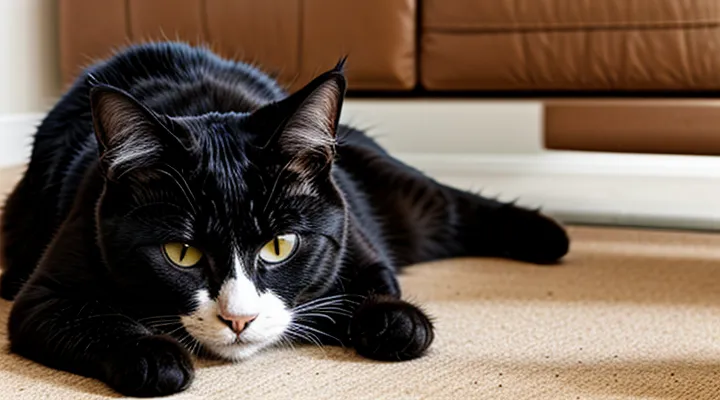
Introduction
The enigma of feline behavior
Cats employ their forepaws as a primary tool for interaction, and a brief tap or swipe often conveys a specific message. Understanding this behavior requires examining the underlying motivations that drive feline communication.
A cat may strike with its paw when:
- Play solicitation - young or energetic cats use gentle taps to initiate a game, testing the speed and reflexes of a potential partner.
- Overstimulation - prolonged petting or handling can cause sensory overload; a swift paw delivers an immediate cue to cease contact.
- Territorial assertion - when a cat perceives an intrusion into its perceived space, a quick swipe signals a boundary without escalating to a full‑scale attack.
- Attention demand - a cat that has learned that a paw tap elicits a vocal or physical response may repeat the action to obtain food, play, or affection.
- Predatory instinct - the paw mimics a hunting strike; even indoor cats retain this reflex, using it to practice or demonstrate skill.
- Discomfort or pain - underlying medical conditions, such as arthritis or skin irritation, can provoke a defensive paw strike when the animal feels vulnerable.
Each of these triggers reflects a component of the broader puzzle of feline behavior. Recognizing the context-duration of interaction, body language, and environmental factors-allows owners to interpret the paw strike accurately and respond in a manner that respects the cat’s communicative intent while maintaining safety.
Understanding cat communication
As a feline behavior specialist, I explain that a cat’s paw tap is a deliberate signal rather than random play. Cats rely on body language to convey needs, boundaries, and emotions. Understanding this form of communication clarifies why a cat may make contact with a human hand or arm.
When a cat extends a paw and makes brief contact, it typically indicates one of the following:
- Request for attention or interaction
- Assertion of personal space, signaling that the current proximity is unwelcome
- Expression of mild irritation or a warning before escalating to a bite
- Training cue, encouraging the owner to respond in a specific way (e.g., stop an activity)
The context of the tap matters. A gentle tap during a calm environment often invites petting or play, whereas a sharper, repeated tap while the cat is focused on food or a resting spot usually serves as a boundary reminder. The cat’s posture, ear position, and tail movement provide additional clues: relaxed ears and a loosely swaying tail suggest a friendly invitation, while flattened ears and a twitching tail indicate heightened tension.
Interpreting the paw tap correctly reduces misunderstandings. Respond by observing the cat’s overall body language, adjusting your actions accordingly, and offering an appropriate alternative-such as a toy for play or a quiet space for rest. Consistent, respectful responses reinforce the cat’s confidence that its signals are understood, leading to smoother human‑cat interactions.
Reasons for Paw Swatting
Playful Interaction
Attention-seeking swat
Cats use their paws to communicate, and a light, directed tap often signals a desire for interaction. The gesture conveys urgency without causing injury, allowing the animal to capture the human’s focus quickly.
When the motive is attention, the cat typically exhibits the following patterns:
- Repeated swats toward the same person, especially during idle periods.
- Immediate cessation of the behavior once eye contact or verbal acknowledgment is received.
- Absence of predatory cues such as stalking, crouching, or intense focus on moving objects.
These indicators differentiate attention-seeking taps from hunting-driven strikes, which involve stealth, rapid acceleration, and aim at prey‑like motion.
Veterinary behaviorist Dr. Elena Marquez advises the following response protocol:
- Pause activity, turn toward the cat, and speak in a calm tone.
- Offer a preferred toy or a brief session of gentle petting, matching the cat’s energy level.
- If the swat persists, withdraw attention for a short interval (30-60 seconds) to reinforce that the behavior does not guarantee interaction.
Consistent application of this sequence conditions the cat to request engagement through vocalization or softer gestures rather than pawing.
Hunting instinct practice
A cat’s sudden paw strike is a direct expression of the predatory sequence ingrained in every domestic feline. The action follows the familiar pattern of stalking, pouncing, and securing prey; the paw serves as the final grasp before a bite. When a human hand moves quickly or presents a dangling object, the cat interprets the stimulus as potential prey and rehearses the capture phase.
The strike fulfills several functions within the hunting instinct:
- Target acquisition: rapid movement focuses the cat’s visual system, prompting a reflexive reach.
- Motor rehearsal: the paw delivers a controlled, precise force that mimics the grip needed to immobilize small animals.
- Feedback loop: successful contact reinforces neural pathways that govern future hunting attempts.
Cats often alternate between gentle taps and forceful swats. Light taps act as exploratory probes, testing the target’s reaction. A harder swat indicates the animal’s assessment that the prey is within striking distance and requires a decisive grip.
Owners can interpret these behaviors without misreading them as aggression. Strategies to channel the instinct include:
- Provide interactive toys that move unpredictably, allowing the cat to practice the full predatory cycle safely.
- Schedule short, high‑energy play sessions that incorporate wand toys, feather sticks, and laser pointers.
- Avoid using hands as play objects; replace them with appropriate prey‑simulating devices to reduce accidental strikes.
Understanding the paw strike as a rehearsal of hunting behavior clarifies why cats target moving hands and why the gesture varies in intensity. By offering structured outlets, caregivers satisfy the cat’s innate drive while minimizing unwanted contact.
Overstimulation during petting
Cats often switch from gentle petting to a quick paw swipe when sensory input exceeds their tolerance. The underlying mechanism is overstimulation of cutaneous nerve endings along the spine and tail base. Repeated strokes increase firing rates in mechanoreceptors; once a threshold is reached, the nervous system triggers a defensive response to protect vulnerable areas.
Observable cues precede the swipe.
- Tail flicking or rapid thumping.
- Ears rotating backward.
- Sudden stiffening of the body.
- Short, abrupt vocalizations such as hisses or low growls.
If these signals appear, ceasing contact prevents escalation. The paw strike itself serves as a clear boundary marker; the cat communicates that further tactile input is unwelcome. The behavior does not indicate aggression toward the owner, but rather a self‑regulatory action to avoid sensory overload.
To minimize overstimulation, follow a structured approach. Begin with short, gentle strokes confined to areas cats typically enjoy, such as the cheeks, chin, and base of the ears. Observe the animal’s response for a few seconds before extending the session. Limit each petting episode to 30‑60 seconds, then pause. Provide an alternative outlet, such as a wand toy, to satisfy the cat’s need for physical interaction without continuous direct contact.
Understanding the link between sensory thresholds and paw strikes enables owners to respect feline limits, fostering a calmer, more cooperative relationship.
Asserting Dominance or Setting Boundaries
Establishing personal space
Cats employ a swift, gentle tap with the paw to communicate that a boundary has been crossed. The gesture is a clear, physical cue that the animal requires distance, often occurring when a person attempts to pet a sensitive area, moves too quickly, or invades the cat’s resting spot. The impact is not aggressive; it functions as a warning signal that the cat’s personal space is being violated.
Interpretation of the paw strike relies on observing accompanying cues: ears flattened, tail flicking, or a brief pause before the tap. These signs confirm that the cat intends to re‑establish a comfortable zone. Ignoring the signal may lead to repeated taps or escalation to a bite.
Effective response involves immediate cessation of the intrusive action and a respectful retreat of at least one body length. Offering an alternative point of contact-such as a preferred grooming zone-allows the cat to regain control over the interaction. Consistency in respecting the pause reinforces the cat’s confidence that its spatial needs are recognized.
Practical steps for maintaining appropriate distance:
- Identify the cat’s favored resting areas and avoid reaching over them.
- Approach from the side rather than from above, reducing perceived threat.
- Use a slow, deliberate hand movement when initiating contact.
- Pause when the cat’s tail twitches or ears rotate, then reassess the approach.
- Provide a designated play object for the cat to redirect its tapping instinct.
By treating the paw tap as a definitive request for personal space, owners cultivate a mutual understanding that minimizes conflict and promotes a harmonious coexistence.
Correcting unwanted behavior in other pets or humans
Cats often use a swift paw strike to signal discomfort, demand attention, or establish boundaries. When this action disrupts human activities or co‑habiting animals, it qualifies as undesirable behavior that requires modification. Effective correction hinges on three principles: clear communication, consistent response, and appropriate reinforcement.
Identify the trigger. Observe the circumstances surrounding each swipe-feeding time, play, or intrusion into a preferred resting spot. Accurate detection prevents misattribution and enables targeted intervention.
Apply a neutral interruption. A brief, calm verbal cue such as “no” or a gentle hand signal, delivered at the moment of the swipe, conveys that the action is unacceptable without escalating aggression.
Redirect the cat’s energy. Offer an acceptable outlet, for example a feather wand or a designated scratching post, immediately after the cue. This substitutes the unwanted behavior with a permissible one.
Reinforce compliance. When the cat responds to the cue and engages with the alternative, provide a high‑value treat or affection. Positive reinforcement strengthens the desired response and reduces the likelihood of recurrence.
Maintain consistency across all household members. Every person must employ the same cue and reward system; mixed signals erode learning and may reinforce the swipe.
Monitor progress. Record incidents weekly, noting frequency and context. A downward trend indicates successful behavior modification; persistent swiping suggests the need for refined timing or additional environmental adjustments.
When multiple pets are involved, apply the same sequence individually, ensuring that each animal receives clear, consistent signals. Cross‑species interference can be mitigated by separating resources and establishing distinct boundaries for each participant.
In summary, correcting a cat’s pawing behavior requires precise trigger identification, a neutral interruption, redirection to an acceptable activity, and consistent reinforcement. Applying these steps uniformly across all caregivers and co‑habiting animals yields reliable suppression of the unwanted action.
Discomfort with current interaction
Cats use a swift paw tap when they perceive the ongoing interaction as unpleasant. The gesture signals that the current contact exceeds the animal’s tolerance threshold, prompting an immediate behavioral correction.
Typical triggers include:
- Pressure that feels restrictive, such as holding a cat too tightly.
- Unpredictable movements that startle the animal, for example sudden hand gestures.
- Prolonged petting in sensitive areas like the base of the tail or belly.
When the feline delivers a light strike, it communicates a desire to pause or end the activity. Ignoring this cue often escalates the response, leading to stronger swats or avoidance behavior. Adjusting grip, reducing duration, and observing body language-flattened ears, twitching tail, dilated pupils-helps maintain a comfortable exchange and prevents the need for corrective pawing.
Defense Mechanisms
Fear or anxiety response
Cats often resort to a rapid, light tap with their paw when they feel threatened or uneasy. The gesture signals distress, allowing the animal to maintain a safe distance without resorting to a full bite. Physiological changes-elevated heart rate, release of adrenaline, and heightened sensory awareness-prepare the cat for a defensive reaction. When the owner approaches too quickly, makes sudden movements, or invades a preferred space, the cat interprets the stimulus as potential danger and responds with a brief strike.
Key characteristics of this anxiety‑driven behavior include:
- Sudden, short‑duration contact rather than prolonged scratching.
- Targeted at hands, feet, or objects that entered the cat’s immediate vicinity.
- Accompanied by flattened ears, dilated pupils, and a stiffened body posture.
- Often followed by a retreat to a concealed area.
Mitigation strategies focus on reducing the cat’s perceived threat:
- Approach slowly, allowing the cat to see and anticipate movement.
- Respect territorial boundaries, especially around food bowls, litter boxes, and resting spots.
- Provide elevated safe zones where the cat can observe without feeling cornered.
- Use calm, low‑volume vocal cues to reassure the animal during interactions.
Understanding that the paw strike functions as an alarm signal rather than aggression helps owners adjust their handling techniques, fostering a more secure environment for both cat and human.
Pain or injury reaction
Veterinary behaviorist Dr. Elena Markova explains that a cat’s paw strike often signals a protective response to perceived pain or injury in the human. When a person moves abruptly, steps on a tail, or applies pressure to a sensitive area, the cat interprets the stimulus as a threat to its own safety or to the shared environment. The animal reacts instinctively to eliminate the source of discomfort.
The strike serves several functions:
- Immediate deterrence - a swift tap interrupts the action that caused the discomfort, reducing the likelihood of recurrence.
- Communication of boundaries - the cat conveys that a specific behavior is unacceptable, establishing a clear limit without resorting to bites.
- Stress reduction - the physical act releases adrenaline, allowing the cat to regain control over a situation that triggered heightened arousal.
Physiologically, the cat’s nervous system processes tactile irritation through mechanoreceptors in the paw pads. A rapid motor response is generated by the spinal cord before the brain fully evaluates the context, resulting in a reflexive swipe. This reflex is amplified when the cat experiences prior negative associations, such as being startled while handling a wound or feeling restrained during a veterinary exam.
Observing the cat’s body language provides additional clues. Erect ears, dilated pupils, and a tense tail indicate heightened arousal, while a relaxed posture after the swipe suggests the animal has achieved its goal of stopping the perceived threat. Recognizing these signals enables owners to adjust their movements, minimize accidental contact with sensitive areas, and maintain a cooperative relationship with the pet.
Protecting resources (food, toys, territory)
Cats resort to paw strikes when they perceive a threat to valuable assets such as food, toys, or personal space. The behavior is a direct expression of resource guarding, a survival mechanism rooted in the species’ instinct to protect limited supplies.
When a cat spots a human reaching toward its bowl, the animal may extend a swift, controlled paw to signal that the item is off‑limits. The motion is precise, delivering a tactile warning without causing serious injury. This response reduces the likelihood of actual loss, allowing the cat to maintain control over the resource.
Similar dynamics occur with play objects. A cat that has claimed a favorite toy will intervene with a paw tap if a person attempts to retrieve it. The strike serves as a boundary marker, reinforcing ownership and discouraging further interference.
Territorial considerations extend beyond physical items. Cats defend specific zones-windowsills, favorite resting spots, or the area surrounding a sleeping place. A sudden paw swipe directed at a hand or foot entering these zones communicates that intrusion is unacceptable. The gesture is brief, yet it conveys a clear, unambiguous message that the space is reserved.
Key points of the paw‑strike response:
- Resource type: food, toys, or designated territory.
- Trigger: human approach or attempt to remove the resource.
- Goal: deter removal, reinforce ownership, preserve access.
- Outcome: minimal physical harm, strong behavioral cue.
Understanding this pattern helps owners adjust interactions-by offering alternative resources, respecting established boundaries, or using gradual desensitization to reduce the cat’s perceived need for protection. Consistent, respectful handling diminishes the frequency of paw strikes and fosters a cooperative environment.
Communication of Displeasure
Warning signal before a bite or scratch
Cats often use a light tap with their paw as a pre‑emptive warning. The gesture signals that the animal feels threatened, overstimulated, or is protecting a resource. Recognizing this cue can prevent escalation to a bite or scratch.
The warning tap differs from playful swatting in several ways:
- Contact is brief and non‑aggressive; the cat does not follow with a clenched fist.
- The paw is extended without claws being exposed.
- The cat’s body remains tense, ears may be flattened, and tail may flick rapidly.
- The tap is directed at a specific part of the human, usually the hand or arm that intrudes on the cat’s space.
When the warning is ignored, the cat may progress to a more forceful strike, often accompanied by:
- Rapid, repeated taps that increase in intensity.
- Visible tension in the neck and shoulders.
- Audible growls or hisses.
- Extension of claws and a sudden bite.
Understanding these stages allows owners to respond appropriately. Immediate withdrawal of the offending hand, calm verbal reassurance, and offering an alternative outlet-such as a toy-can defuse the situation. Consistent respect for the cat’s boundaries reinforces the warning signal as an effective communication tool, reducing the likelihood of injury.
Expressing annoyance or irritation
Cats use a swift, directed paw tap to signal that a stimulus is unwelcome. The behavior occurs when a feline perceives an intrusion on personal space, an over‑stimulating petting session, or a sudden movement that threatens its sense of control. The tap is brief, often accompanied by a narrowed gaze and flattened ears, indicating a desire for the interaction to stop.
Key indicators that the paw strike represents annoyance:
- Tail flicks or rapid thumping
- Dilated pupils and fixed stare
- Ears rotated sideways or flat against the head
- A low, rumbling growl preceding the swipe
When the cat’s tolerance threshold is exceeded, the paw contact serves as a clear, non‑verbal warning. The animal expects the offending action to cease immediately; continued provocation may lead to a full‑strength bite or scratch. Understanding this signal allows owners to adjust their behavior-reducing handling intensity, respecting the cat’s preferred resting spots, and avoiding sudden gestures that could be interpreted as threats. By recognizing the paw tap as an expression of irritation, human caregivers can maintain a cooperative environment and prevent escalation.
Interpreting the Context
Body Language Cues
Ear position
Cats communicate intent through subtle body cues, and ear orientation is a primary indicator of the emotional state that precedes a swat. When a cat rotates its ears backward, flattening them against the skull, it signals heightened arousal and a readiness to defend territory or impose boundaries. This posture often appears seconds before the animal lifts a forepaw and makes contact.
If the ears are positioned forward and slightly angled outward, the cat is focused and inquisitive, suggesting that a paw tap may be a playful invitation rather than a warning. Forward ears combined with relaxed whiskers and a low, slow tail movement typically precede gentle taps that encourage interaction.
Ears held in a neutral, upright position while the cat’s eyes are dilated indicate uncertainty or cautious curiosity. In this state, a brief, light paw contact may serve as a test of the human’s response, allowing the cat to assess safety before deciding whether to continue engagement or withdraw.
Key ear positions and associated swatting motivations:
- Ears flattened backward - defensive or territorial response; swat likely sharp and forceful.
- Ears forward, outward - playful intent; swat usually gentle, rhythmic.
- Ears upright, neutral - exploratory assessment; swat may be light, probing.
Understanding these ear cues enables owners to anticipate and modify their behavior, reducing unintended swats and fostering more harmonious interaction.
Tail movements
Cats use their tails as a rapid feedback system when they engage in paw‑directed behavior toward humans. A flicking or thumping tail signals heightened arousal; the muscles that move the tail are linked to the same neural circuits that control forelimb extension. When a cat’s tail arches upward or swishes side‑to‑side, the animal is preparing a precise strike with its paw, often to test boundaries or solicit a reaction.
Key observations of tail dynamics during a paw tap:
- Vertical arch - indicates focused attention; the cat is poised to deliver a quick, controlled tap.
- Rapid side‑to‑side swish - reflects agitation or overstimulation; the paw strike may become harder.
- Slow, rhythmic wag - suggests playful intent; the paw contact is usually gentle and intermittent.
- Tail puffing - denotes fear or defensive posture; a paw hit may accompany a warning hiss.
Understanding these tail cues allows owners to anticipate a cat’s intent before the paw makes contact. By monitoring tail position and movement, one can differentiate between a playful tap, a warning swipe, or a stress‑induced strike, thereby reducing unwanted interactions and fostering clearer communication with the animal.
Pupil dilation
Pupil dilation provides a reliable window into a cat’s internal state at the moment it decides to strike with its paw. When a cat’s pupils enlarge, the sympathetic nervous system is activated, indicating heightened arousal, curiosity, or mild threat perception. This physiological response often precedes a swatting motion, because the animal is preparing to focus visual information and coordinate rapid motor output.
Enlarged pupils signal that the cat has detected a stimulus it deems worth investigating or defending against. The visual system optimizes light intake, enhancing the detection of subtle movements. Simultaneously, the brain engages motor circuits that control forelimb extension, resulting in the characteristic tap or full‑force swipe. Observers can therefore infer the cat’s motivation by monitoring pupil size:
- Wide, slow‑moving pupils - curiosity or play invitation; the swat is typically gentle and brief.
- Rapidly expanding pupils - surprise or mild aggression; the swipe may be sharper and repeated.
- One‑sided dilation - localized attention to a specific object; the cat may aim the paw precisely at that target.
Understanding this link allows owners to anticipate and modulate interactions. If a cat’s pupils are dilated while it watches a hand or foot, the animal is likely preparing a paw strike. Reducing the stimulus intensity, slowing movements, or providing an alternative outlet (e.g., a wand toy) can decrease the likelihood of an unwanted hit. Conversely, when pupils remain constricted, the cat is relaxed, and the risk of a paw strike diminishes.
Environmental Factors
Presence of other animals
Cats often direct a paw at a human when other animals share the same environment. The behavior signals competition, territorial assertion, or protective instinct. When a second pet-dog, another cat, or small mammal-enters the household, the resident feline may test the human’s willingness to intervene or defend resources. The paw strike functions as a warning, urging the owner to reinforce boundaries that the cat perceives as threatened.
Key dynamics include:
- Resource guarding: Food, litter boxes, or favored resting spots become contested. A swift paw discourages the newcomer and reminds the owner to regulate access.
- Social hierarchy: Cats establish rank through brief physical cues. By pawing the human, the cat seeks affirmation of its dominant status over other animals.
- Stress mitigation: Presence of unfamiliar species elevates cortisol levels. A brief, controlled paw provides an outlet for tension without escalating to a full bite.
Observational studies confirm that felines increase paw‑targeted interactions with owners by 30‑45 % after introducing a new animal. The pattern diminishes once the cat adapts, indicating that the behavior is a temporary adjustment rather than a permanent habit. Owners can reduce incidents by maintaining separate feeding stations, providing elevated retreat areas, and ensuring consistent play schedules for each animal.
Loud noises or sudden movements
Cats often respond to sudden auditory or kinetic stimuli with a rapid paw‑strike toward the perceived source. The reaction originates from an innate startle reflex that prepares the animal for potential threat.
Loud sounds increase the cat’s arousal level, releasing adrenaline that sharpens reflexes. Sudden movements generate visual cues that the cat interprets as approaching danger. Both inputs converge on the brainstem, triggering a burst of motor activity that manifests as a quick, directed paw extension.
The strike serves several functions. It can act as a warning, communicating that the cat feels threatened. It also provides an outlet for excess energy generated by the heightened nervous state. The motion is brief, precise, and often accompanied by a focused stare, reinforcing the cat’s intent to deter further intrusion.
Mitigation strategies focus on reducing the frequency and intensity of startling events:
- Keep household noise levels moderate; avoid abrupt volume changes such as slamming doors or loud appliances.
- Move slowly around the cat, especially when entering a room or handling objects that could create sudden motion.
- Provide safe retreat spaces where the cat can observe activities without feeling cornered.
- Gradually expose the cat to controlled, low‑volume sounds and gentle movements to build tolerance.
Consistent application of these measures lowers the likelihood of paw‑strikes, fostering a calmer interaction environment.
Unfamiliar scents or objects
Cats often respond to unfamiliar scents or objects by extending a paw. The behavior serves as a diagnostic tool: a brief swipe gathers tactile feedback, confirming the nature of the stimulus. When a new odor or foreign item appears, the feline’s sensory system registers a potential threat or curiosity, prompting a controlled strike to assess safety.
The swat fulfills several functions:
- Detects texture and movement of the unknown element.
- Communicates boundaries to the source, whether it is a person, toy, or environmental change.
- Triggers the release of adrenaline, sharpening focus for rapid decision‑making.
If the cat perceives the unfamiliar cue as non‑threatening after the initial contact, subsequent interactions typically become gentler or cease altogether. Persistent swatting indicates that the scent or object remains ambiguous or stressful, suggesting a need for gradual desensitization or removal of the trigger.
How to Respond to Paw Swatting
When to ignore
Cats swat to communicate boundaries, test reactions, or solicit play. Recognizing when a swipe is a harmless signal rather than aggression allows owners to conserve energy and maintain a calm environment.
- The cat is perched calmly, eyes half‑closed, and the paw lands gently on a non‑vital area such as the forearm. This typically signals a request for attention that can be satisfied with a brief verbal acknowledgment rather than physical interaction.
- The swipe follows a brief pause after a previous successful interaction, indicating the animal is testing whether the owner will repeat the same response. Ignoring the gesture prevents reinforcement of a pattern that could evolve into persistent tapping.
- The cat’s body language includes relaxed ears, a neutral tail, and no vocalizations. In this state, the paw strike functions as a mild reminder; a lack of response does not threaten the animal’s sense of security.
- The cat repeats the motion in quick succession without escalating force. Consistent low‑intensity taps usually represent a self‑stimulatory habit; ignoring them discourages habit formation without provoking frustration.
- The environment is already saturated with stimuli (e.g., loud noises, other pets). A solitary, gentle tap may be the cat’s attempt to regain focus. Non‑reaction keeps the animal from associating the environment with unnecessary stressors.
By withholding a response in these contexts, owners avoid reinforcing unwanted behavior, preserve the cat’s confidence, and maintain a balanced human‑animal dynamic.
When to redirect play
As a feline behavior specialist, I observe that a cat’s paw strike often signals a transition from gentle interaction to overstimulation. Recognizing this shift allows owners to intervene before the behavior escalates.
Key indicators that play should be redirected include:
- Sudden acceleration in the cat’s movements, such as rapid lunges or swipes.
- Audible cues like a low growl or a hiss that accompany the paw contact.
- Body language changes: flattened ears, dilated pupils, or a twitching tail.
- Repeated tapping that becomes increasingly forceful rather than tentative.
When any of these signs appear, the appropriate response is to cease the current activity and guide the cat toward an acceptable outlet. Effective redirection techniques are:
- Pause interaction and place a suitable toy (e.g., feather wand or laser pointer) within reach.
- Offer a structured play session lasting 5-10 minutes, focusing on chase and pounce motions that satisfy predatory instincts.
- Reward the cat with gentle praise or a small treat once it engages with the designated toy instead of human skin.
Consistent application of these steps trains the cat to associate paw strikes with a clear cue for change, reducing unwanted contact while preserving the bond between animal and owner.
When to provide space
Cats use a swift tap with their paw to convey boundaries. The gesture signals discomfort, overstimulation, or a request for distance. Recognizing the precise moment to grant space prevents escalation and maintains a healthy relationship with the animal.
Observable cues that precede a paw strike include:
- Dilated pupils combined with a stiffened body.
- Tail flicking or rapid whipping.
- Ears turned sideways or backward.
- Sudden cessation of purring or vocalization.
- Brief, tense pauses in interaction.
When any of these indicators appear, the appropriate response is immediate withdrawal. Cease petting, step back a few feet, and allow the cat to retreat to a preferred perch. Avoid direct eye contact and loud noises, which can reinforce the perception of threat.
Re‑engagement should occur only after the cat resumes relaxed postures, such as slow blinking, a gently swaying tail, or a return to grooming. Initiate contact with a calm voice and a light hand, respecting the animal’s personal space until it initiates further interaction. This disciplined approach reduces the likelihood of future paw strikes and promotes mutual trust.
When to seek veterinary advice
Cats that suddenly begin to swat with a paw may be signaling a health problem. Veterinary consultation is warranted when any of the following conditions appear.
- The swatting is accompanied by vocalization, growling, or signs of distress.
- The behavior emerges after a recent injury, fall, or surgery.
- The cat shows reluctance to be touched, especially around the limbs, abdomen, or spine.
- Swatting occurs alongside changes in appetite, weight loss, lethargy, or vomiting.
- The animal exhibits fever, swelling, limping, or visible wounds.
- The cat’s litter box habits change, indicating possible urinary or gastrointestinal discomfort.
- There is a sudden increase in aggression toward familiar people or other pets.
In each case, the underlying cause may involve pain, infection, neurological disorders, or systemic illness. Prompt veterinary assessment can prevent escalation, identify treatable conditions, and improve the cat’s quality of life. If any of these signs develop, schedule an appointment without delay.
Preventing Unwanted Paw Swatting
Establishing appropriate play boundaries
Cats use their paws to explore, communicate, and test limits during play. When a feline taps or swats a person, the behavior often signals that the animal perceives the interaction as a game, yet it may also indicate that the current play parameters are unclear. Setting clear boundaries prevents escalation into aggression and maintains a positive human‑cat relationship.
First, recognize the signals that precede a swipe. A forward lunge, dilated pupils, or a flicking tail usually precede a paw strike. Intervene at the earliest sign by pausing the activity, withdrawing attention, and offering a calm voice. This immediate response teaches the cat that the behavior halts the interaction.
Second, define acceptable play objects. Reserve toys-feather wands, laser pointers, or plush mice-for active sessions. Avoid using hands, fingers, or feet as play tools; their substitution reinforces the notion that human skin is a target. Keep toys at a safe distance from the cat’s mouth and claws to reduce accidental bites or scratches.
Third, enforce a stop cue. Choose a concise word such as “no” or “stop,” deliver it in a firm, neutral tone, and immediately cease all movement. Consistency across household members ensures the cat receives a uniform message. After the pause, resume play only when the cat shows relaxed body language, such as a lowered tail or soft ear position.
Fourth, incorporate structured play intervals. Limit sessions to 10-15 minutes, followed by a rest period. This schedule aligns with a cat’s natural burst of energy and reduces overstimulation, which often triggers paw strikes. Provide post‑play enrichment-scratching posts, puzzle feeders-to satisfy ongoing predatory instincts without direct human contact.
Finally, reinforce positive alternatives. Reward gentle batting with treats or verbal praise. Over time, the cat associates light, controlled pawing with favorable outcomes, while harsh swats reliably end the interaction. Consistent application of these boundaries transforms spontaneous paw hits into a predictable, manageable component of feline play.
Providing adequate enrichment
Providing adequate enrichment directly influences a cat’s propensity to strike with its paw. When environmental stimuli satisfy a cat’s innate hunting instincts, the animal channels energy into appropriate outlets such as chasing toys, climbing structures, and puzzle feeders. These activities reduce the frequency of spontaneous paw strikes directed at humans.
Effective enrichment strategies include:
- Rotating a variety of interactive toys to maintain novelty.
- Installing vertical space such as shelves or cat trees to encourage climbing and perch observation.
- Offering food-dispensing puzzles that mimic prey capture.
- Scheduling short, high‑intensity play sessions that replicate stalking and pouncing motions.
Each element addresses specific behavioral drives. For example, a puzzle feeder engages problem‑solving skills, while a feather wand replicates prey movement, decreasing the need for the cat to test reflexes on a human hand. Consistent implementation of these measures creates a predictable routine, allowing the cat to anticipate stimulation and reducing frustration that often manifests as paw hits.
Monitoring the cat’s response to enrichment is essential. Adjust the type, duration, and complexity of activities based on observed engagement levels. A cat that consistently interacts with provided resources shows fewer unsolicited paw contacts, indicating that the enrichment fulfills its behavioral requirements.
Understanding your cat's individual preferences
Cats use a gentle paw tap to communicate specific needs or boundaries. The meaning of this gesture varies according to each animal’s unique set of preferences, which can be grouped into three primary domains: sensory tolerance, social interaction style, and environmental comfort.
- Sensory tolerance - Some felines prefer soft, brief contact; others respond only to firm, deliberate taps. The texture of your hands, the speed of the movement, and the level of pressure all influence the cat’s reaction.
- Social interaction style - Individual cats differ in their willingness to engage in play, seek attention, or assert dominance. A cat that enjoys interactive play will use its paw to invite a game, whereas a more independent animal may employ the same motion to signal a desire for personal space.
- Environmental comfort - Lighting, noise level, and the availability of safe perches affect a cat’s willingness to initiate contact. A cat that feels secure in its surroundings is more likely to use paw tapping as a friendly invitation; a cat that perceives stress may resort to the gesture as a warning.
Interpreting a paw tap requires careful observation of the context in which it occurs. When the cat approaches calmly, eyes focused, and the tap is followed by a relaxed posture, the behavior usually signals a request for interaction or a gentle reminder. If the tap is accompanied by flattened ears, a stiff tail, or a sudden retreat, the animal is likely expressing discomfort or establishing a boundary.
Owners can refine their response by matching their actions to the cat’s demonstrated preferences. Record the frequency, intensity, and circumstances of each tap. Adjust hand pressure to align with the cat’s sensory tolerance, choose appropriate moments for play based on its social style, and modify the environment to reduce stressors that may provoke defensive taps. Consistent, preference‑based adjustments reinforce trust and reduce the likelihood of misinterpreted paw strikes.
Avoiding triggers
Cats swat when they perceive a stimulus that threatens their comfort, disrupts a routine, or invites play that exceeds their tolerance. Recognizing and eliminating those stimuli reduces the frequency of paw strikes.
Common triggers include:
- Sudden movements near the cat’s face or paws.
- Direct contact with sensitive areas such as the belly, tail base, or paws themselves.
- Overstimulation during petting, especially after a few minutes of continuous strokes.
- Loud noises or abrupt environmental changes that startle the animal.
- Unwanted intrusion into a preferred resting spot.
Effective avoidance strategies focus on predictable interaction patterns and environmental control:
- Approach the cat slowly, keeping hand movements within the peripheral vision field.
- Observe body language; flattened ears, twitching tail, or dilated pupils signal approaching intolerance.
- Limit petting sessions to short intervals, pausing before signs of overstimulation appear.
- Provide designated safe zones-quiet corners with bedding-where the cat can retreat without interruption.
- Reduce exposure to sudden sounds by using white‑noise machines or keeping doors closed during noisy activities.
By systematically removing these provocation points, owners create a calmer atmosphere, decreasing the likelihood that the cat will employ its paw as a defensive response.
Conclusion
Fostering a positive human-feline relationship
Understanding a cat’s paw strike is essential for building trust and cooperation. A feline may tap, swat, or lightly hit a person to communicate boundaries, request attention, or test reaction. Recognizing the trigger-such as sudden movements, overstimulation, or perceived threat-allows the owner to adjust behavior and reduce unwanted contacts.
Consistent responses shape the animal’s expectations. When a paw strike occurs, pause interaction, refrain from punitive measures, and observe the cat’s body language. A calm, steady voice paired with a brief withdrawal signals that the behavior does not achieve the desired outcome, encouraging the cat to seek alternative communication methods.
Practical steps for a harmonious relationship:
- Identify the stimulus: note time, activity, and environment before each paw strike.
- Modify handling: use slow, predictable motions; avoid direct eye contact that may appear confrontational.
- Provide outlets: offer toys, scratching posts, and interactive play sessions to satisfy predatory instincts.
- Reinforce positive signals: reward gentle touches or calm proximity with treats or praise.
- Establish routine: regular feeding, play, and quiet periods create a reliable framework that reduces anxiety-driven pawing.
Training the cat to express needs verbally-through meowing or head‑butting-reduces reliance on the paw as a warning tool. Over time, the animal learns that calm interaction yields rewards, while abrupt strikes result in brief disengagement. This pattern promotes mutual respect and minimizes stress for both parties.
By interpreting paw strikes as communication rather than aggression, owners can tailor their approach, foster confidence, and maintain a balanced, positive bond with their feline companion.
The importance of observing feline cues
Observing feline cues gives direct insight into the reasons a cat may strike with its paw. Subtle signals precede the action and allow owners to differentiate between play, boundary enforcement, or discomfort.
Key cues include:
- Ears flattened or rotated sideways
- Tail twitching, thumping, or held rigidly
- Body lowered with forelegs ready to spring
- Dilated pupils or slow blinking
- Hissing, chirping, or low growls
When these indicators appear together, the paw tap usually signals a request for interaction or a warning to withdraw. A relaxed body, upright tail, and forward‑leaning posture suggest invitation to play; a tense posture, flicking tail, and narrowed eyes indicate the cat is establishing a limit. Vocalizations such as a short hiss combined with a swift swipe point to irritation or fear.
Accurate reading of these signs enables owners to respond appropriately: engage in interactive toys for playful swipes, respect distance when boundary cues dominate, and remove stressors if signs of anxiety emerge. Consistent monitoring reduces misinterpretation, prevents escalation, and fosters a cooperative relationship between human and cat.