
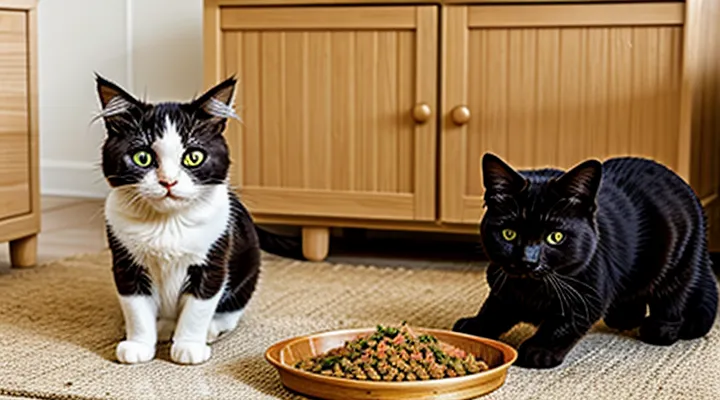
1. Understanding Cat Behavior
1.1. Instinctual Responses
Cats emit growls when approaching food as a manifestation of innate defensive mechanisms. The sound signals heightened alertness, preparing the animal to confront potential threats that may accompany a meal. Evolutionary pressures favored individuals capable of quickly assessing risk, and vocalization became an efficient means of communicating internal tension.
Key instinctual components include:
- Territoriality - the perception of a feeding area as a contested space triggers aggressive vocal cues.
- Predatory caution - even stationary prey can be associated with danger; growling reflects a pre‑emptive warning.
- Resource protection - the drive to secure nourishment against rivals activates a low‑frequency warning tone.
Neurobiologically, the amygdala processes sensory input related to food and simultaneously evaluates threat level. When the assessment leans toward risk, the hypothalamus initiates vocalization pathways. This response occurs without conscious deliberation; it is a hard‑wired reaction preserved across feline lineages.
Understanding these instinctual triggers clarifies why a cat may growl before eating. The behavior does not indicate pathology but rather the activation of ancient survival circuits that prioritize safety over immediate consumption.
1.2. Communication Cues
Cats use growling as a vocal signal that conveys discomfort, territoriality, or perceived threat regarding their food. The sound is accompanied by distinct communication cues that help owners interpret the underlying cause.
- Ears flattened or rotated backward indicate heightened vigilance and a defensive posture.
- Tail positioned low, puffed, or twitching signals agitation and a readiness to act.
- Whiskers drawn forward or pressed against the face suggest the animal is focusing intently on the source of stress.
- Body weight shifted away from the bowl, with the cat standing sideways, reveals an attempt to create distance while still monitoring the situation.
- Pupils dilated or constricted, depending on lighting, reflect the cat’s arousal level and can differentiate between fear‑driven and dominance‑driven growls.
When these cues co‑occur with a growl, the cat is typically asserting ownership over the food, warning against interference, or reacting to an unexpected change in the feeding environment (e.g., a new bowl, altered food texture, or the presence of another animal). Recognizing the full suite of signals enables precise assessment of the cat’s motivation and informs appropriate management strategies, such as adjusting feeding routines, providing a quiet feeding space, or reducing competition.
2. Reasons for Food Aggression
2.1. Resource Guarding
A cat that growls while eating is often displaying resource‑guarding behavior. This response protects a valuable asset-food-from perceived competition. The instinct originates in the wild, where securing a limited supply can determine survival. Domestic cats retain this drive, especially when prior experiences have taught them that other animals or humans may attempt to intervene.
Key factors that intensify guarding include:
- Inconsistent feeding schedules that create uncertainty about future meals.
- Competition with other pets for the same bowl or feeding area.
- Past incidents of food being removed or taken away.
- Health issues such as pain, dental disease, or gastrointestinal discomfort that make eating a vulnerable act.
Observable signs accompany the growl:
- Stiff body posture and a rigid tail.
- Direct stare at the perceived intruder.
- Rapid, shallow breathing.
- Quick, aggressive swipes if the threat approaches the bowl.
Management strategies focus on reducing perceived threats and establishing predictability:
- Feed the cat in a quiet, isolated space away from other animals.
- Use multiple feeding stations to eliminate competition.
- Maintain a consistent daily feeding timetable.
- Provide a high‑value, nutritionally balanced diet to lower motivation for guarding.
- Monitor for medical conditions; consult a veterinarian if pain or illness is suspected.
- Gradually desensitize the cat by standing near the bowl without intervening, rewarding calm behavior with treats.
Understanding resource guarding clarifies why a cat might growl at its food and guides owners toward effective, humane interventions.
2.1.1. Learned Behavior
Cats may emit a low, rumbling sound when presented with food, and the most reliable explanation lies in learned behavior. Over time, feline owners often associate vocalizations with specific outcomes-whether to delay a meal, signal displeasure, or manipulate the feeding process. When a cat discovers that a growl elicits a predictable response, such as the owner pausing, adjusting portion size, or offering a different food, the sound becomes a reinforced cue.
Key mechanisms that shape this response include:
- Operant conditioning: Repeated pairing of the growl with a consequent action (e.g., the owner removing the bowl) strengthens the behavior.
- Social learning: Cats observing other animals or previous encounters may adopt the growl as a signal of food-related distress.
- Negative reinforcement: If the growl stops an undesirable situation-such as an overly hot or unpalatable meal-the cat learns to use the sound to avoid the stimulus.
Consequences of this conditioning extend beyond the immediate feeding episode. A cat that consistently growls at food may develop heightened sensitivity to texture, temperature, or presentation, leading to selective eating patterns. Moreover, the behavior can influence the owner's feeding routine, potentially resulting in irregular meal timing or altered diet composition.
Understanding the learned nature of the growl allows owners to modify the environment strategically. Providing consistent food temperature, offering a variety of textures, and responding uniformly to vocalizations can diminish the reinforcement loop. Over time, the cat's expectation that growling influences the feeding process diminishes, reducing the occurrence of the sound.
2.1.2. Fear and Insecurity
Cats may emit a low, guttural growl when approaching a bowl for several reasons rooted in fear and insecurity. This vocalization signals a perceived threat rather than a simple dislike of the food.
- Sudden changes in feeding environment-new bowl, altered location, or unfamiliar sounds-can trigger a stress response. The cat interprets the unfamiliar stimulus as potential danger, prompting a defensive growl.
- Prior negative experiences, such as being startled while eating or receiving punishment near the feeding area, create an association between meals and discomfort. The animal anticipates repeat harm and reacts protectively.
- Competition with other pets or humans can generate anxiety about resource availability. A cat that feels vulnerable may warn intruders with a growl to assert ownership and deter interference.
- Health issues that cause pain while chewing or swallowing, such as dental disease or gastrointestinal upset, heighten sensitivity. The animal may growl to convey distress and discourage further ingestion until the condition resolves.
Understanding these fear‑related triggers enables owners to modify feeding conditions: maintain a consistent bowl, minimize sudden noises, separate the cat from potential competitors during meals, and ensure regular veterinary checks. Reducing perceived threats often eliminates the growling behavior and promotes a calm eating routine.
2.2. Underlying Medical Conditions
Cats may growl when presented with food because of pain, sensory deficits, or systemic illness that alters normal feeding behavior. An expert assessment should focus on identifying medical disorders that directly affect the oral cavity, gastrointestinal tract, or neurologic pathways.
Oral and dental problems are common triggers. Severe gingivitis, periodontitis, tooth resorption, or oral ulceration create discomfort during mastication, prompting a defensive vocalization. Inflammation of the tongue, palate, or pharynx-often secondary to infection or foreign body trauma-produces a similar response.
Gastrointestinal disorders also provoke aggression toward meals. Chronic gastritis, inflammatory bowel disease, or pancreatic insufficiency cause nausea or abdominal pain that the cat associates with the act of eating. When ingestion precedes discomfort, the animal may preemptively growl to avoid the source of distress.
Neurologic conditions can impair the perception of hunger and satiety signals. Vestibular disease, neuropathies, or brain lesions disrupt sensory integration, leading to abnormal reactions to food stimuli. Painful spinal or musculoskeletal pathology may restrict the cat’s ability to approach a bowl, resulting in vocal protest.
A concise checklist of conditions to evaluate:
- Dental disease: periodontal infection, tooth resorption, abscesses
- Oral lesions: ulcerations, stomatitis, foreign bodies
- Gastrointestinal inflammation: gastritis, enteritis, ulcer disease
- Pancreatic or hepatic dysfunction: pancreatitis, hepatic lipidosis
- Neurologic impairment: vestibular disorder, central lesions, peripheral neuropathy
- Systemic pain: arthritis, musculoskeletal injury affecting bowl access
Diagnostic work‑up should include a thorough oral examination, complete blood count, serum chemistry, abdominal imaging, and, when indicated, neurologic assessment. Early detection of these underlying medical issues prevents chronic stress and improves the cat’s relationship with food.
2.3. Environmental Factors
Cats may emit a low growl before eating when environmental conditions trigger discomfort or perceived threat. A sudden change in ambient temperature can cause the animal to feel uneasy; cold surfaces or drafts near the feeding area may prompt a defensive vocalization. Likewise, excessive brightness or flickering lights can overstimulate visual senses, leading the cat to associate the feeding spot with stress.
Noise levels directly affect feline behavior. Loud appliances, vacuum cleaners, or conversations occurring close to the bowl can be interpreted as aggression, prompting the cat to warn before ingesting food. The presence of other pets, even when not physically interacting, creates a competitive atmosphere that may elicit growling as a territorial signal.
Physical layout of the feeding zone influences the response. A bowl placed near a high‑traffic pathway, near a doorway, or on an unstable surface can generate insecurity. Cats prefer stable, secluded spots where they can monitor surroundings without interruption.
- Unfamiliar scents (cleaning agents, new furniture)
- Variable humidity causing dry mouth or nasal irritation
- Recent relocation of feeding station
- Presence of reflective surfaces causing glare
Addressing these factors-by providing a quiet, temperature‑controlled, and isolated feeding area-reduces the likelihood of growling and encourages a calm eating experience.
3. Identifying the Growl
3.1. Types of Growls
Cats exhibit several distinct vocalizations when they encounter food, each serving a specific communicative purpose. Understanding these variations helps identify whether a feline is expressing discomfort, assertiveness, or a protective response.
-
Low‑frequency rumble - A deep, continuous sound that often accompanies a hesitant approach to the bowl. The rumble signals uncertainty about the food’s suitability or the presence of a perceived threat, prompting the animal to assess the situation before eating.
-
Short, sharp growl - A brief, high‑pitched burst emitted at the moment the cat detects an undesirable stimulus, such as an unfamiliar scent or texture. This growl functions as an immediate protest, urging the owner to modify the offering or remove the offending element.
-
Sustained warning growl - A prolonged, resonant growl that begins before the cat touches the food and continues until the source is removed or the cat is reassured. This pattern indicates a defensive stance, often triggered by previous negative experiences with the same type of food.
-
Aggressive threat growl - A forceful, guttural growl paired with stiff body posture and ears flattened. The cat uses this vocalization to claim ownership of the food, deterring other animals or humans from approaching the bowl.
Each type reflects a different level of motivation and emotional state. Recognizing the specific growl pattern enables caregivers to adjust feeding practices, reduce stress, and maintain a harmonious feeding environment.
3.2. Body Language Indicators
Cats that emit a growl while food is in view display a distinct set of body‑language cues. Recognizing these signals clarifies whether the animal feels threatened, protective, or uncomfortable.
- Ears flattened against the head or rotated sideways indicate heightened alertness and potential aggression.
- Tail positioned low, puffed, or twitching rapidly signals agitation and a desire to withdraw or defend.
- Whiskers drawn forward and stiff suggest the cat is focusing intensely on the perceived source of stress.
- Dilated pupils, often appearing as a full black circle, reflect a sympathetic nervous‑system response to perceived danger.
- A rigid, forward‑leaning posture with weight shifted onto the front legs shows readiness to act, while a backward‑leaning stance signals avoidance.
- Vocalizations accompanied by a chattering jaw or teeth‑clenching reinforce the growl’s warning nature.
When multiple indicators appear together, the likelihood that the cat is protecting its food increases. Observing these patterns enables owners to adjust feeding practices-such as providing a calmer environment, separating competing pets, or using puzzle feeders-to reduce stress‑induced growling.
4. Addressing the Behavior
4.1. Veterinary Consultation
A cat that growls when food is presented may be signaling pain, illness, or behavioral stress. A veterinary consultation provides a systematic assessment to identify underlying factors and guide appropriate management.
During the appointment the veterinarian will obtain a detailed history, including the onset of growling, changes in diet, recent injuries, medication use, and environmental stressors. A physical examination follows, focusing on the oral cavity, teeth, gums, jaw joints, and abdominal region. Palpation of the throat and neck assesses for swelling or tenderness that could provoke defensive vocalizations.
Diagnostic testing may include:
- Complete blood count and chemistry panel to detect systemic disease.
- Radiographs of the skull and neck to reveal skeletal abnormalities or dental issues.
- Oral swabs for bacterial or fungal cultures if infection is suspected.
- Ultrasound of the abdomen when gastrointestinal discomfort is a concern.
Based on findings, the veterinarian will recommend a treatment plan. Options can involve dental cleaning, extraction of problematic teeth, analgesic medication for musculoskeletal pain, dietary adjustments for gastrointestinal sensitivity, or behavioral modification strategies such as gradual desensitization to feeding cues. Follow‑up appointments monitor progress and adjust therapy as needed.
Owners should observe the cat’s response to any changes, report new or persistent growling, and maintain regular veterinary check‑ups to prevent recurrence.
4.2. Behavioral Modification Techniques
Cats that emit a low growl when presented with food are often signaling stress, fear, or a learned association between feeding and negative experiences. Effective behavioral modification focuses on altering the cat’s perception of meals through systematic, low‑stress interventions.
-
Desensitization - Introduce the feeding environment gradually. Begin with the food bowl placed far from the cat, allowing the animal to observe without direct contact. Reduce the distance by a few centimeters each session until the bowl is in the normal position. Maintain a calm voice and avoid sudden movements.
-
Counter‑conditioning - Pair the presence of food with a highly valued stimulus, such as a favorite treat or gentle petting. Deliver the positive stimulus immediately after the cat shows a neutral or relaxed response to the bowl. Over repeated trials, the cat learns to associate feeding with reward rather than threat.
-
Predictable Routine - Serve meals at the same times each day, using identical containers and locations. Consistency reduces uncertainty, which often triggers vocal aggression. Record feeding times to ensure strict adherence.
-
Environmental Management - Remove potential stressors near the feeding area: loud appliances, other pets, or high‑traffic zones. Provide a secluded, quiet space where the cat can eat without interruption.
-
Gradual Food Introduction - If the growl is linked to a new diet, mix a small proportion of the new food with the familiar one. Increase the new portion incrementally over several days, monitoring the cat’s vocal response.
-
Positive Reinforcement of Calm Behavior - Reward the cat with praise or a treat when it approaches the bowl without growling. Use a marker word (“yes”) to signal that the behavior is desirable, then follow with the reward.
-
Medical Evaluation - Conduct a veterinary check to rule out pain, dental issues, or gastrointestinal discomfort that may provoke defensive vocalizations. Address any health problems before implementing behavioral protocols.
Implementing these techniques requires patience and consistency. Document progress daily, noting any reduction in growling frequency or intensity. Adjust the pace of exposure based on the cat’s response; slower progression prevents relapse. When applied correctly, the cat’s negative vocal reaction to food diminishes, leading to smoother feeding experiences and improved overall welfare.
4.2.1. Creating a Safe Feeding Environment
Creating a secure feeding area reduces anxiety that can trigger vocal aggression. Place the bowl on a stable, non‑slippery surface such as a silicone mat or a low‑profile tray. Ensure the location is free from high‑traffic zones, loud appliances, or other pets that might compete for space. Consistent placement helps the cat associate the spot with safety and predictability.
Maintain hygiene and accessibility. Clean the bowl after each meal to eliminate lingering odors that could signal contamination. Use stainless steel or ceramic containers, which are less likely to retain scents than plastic. Provide a shallow depth for the food to prevent the cat from feeling trapped or overwhelmed.
Practical steps for a safe feeding environment:
- Choose a quiet corner away from doors, windows, and litter boxes.
- Keep the feeding zone separate from play or sleeping areas to avoid mixed signals.
- Install a low barrier, such as a short fence, if multiple animals share the space, granting the cat exclusive access during meals.
- Monitor the cat’s posture while eating; a relaxed stance indicates comfort, while tense muscles suggest lingering stress.
By implementing these measures, the cat perceives the feeding routine as predictable and secure, reducing the likelihood of growling at its food.
4.2.2. Gradual Desensitization
As a veterinary behavior specialist, I observe that a cat’s growl at its bowl often signals fear or frustration linked to previous negative experiences with food. Gradual desensitization reduces this response by systematically lowering the animal’s emotional intensity while maintaining access to nutrition.
The protocol proceeds in three phases:
- Baseline assessment - Record the cat’s reaction to the feeding area, noting distance, posture, and vocalizations. Identify the minimal distance at which the animal remains calm.
- Incremental exposure - Place the food bowl at the established safe distance. Feed a small portion, then retreat a few centimeters after each successful feeding session. Repeat until the cat accepts the bowl at the original location without vocal protest.
- Reinforcement and maintenance - Continue feeding at the target distance for several days, then introduce mild variations (different bowl types, slight changes in lighting) while monitoring the cat’s behavior. If signs of stress reappear, revert to the previous comfortable distance before advancing again.
Consistent application of this method reshapes the cat’s association with its feeding environment, replacing defensive vocalizations with a neutral or positive response. Regular monitoring ensures that progress is sustained and that any regression is addressed promptly.
4.3. Management Strategies
Cats may emit a low growl before eating when they feel threatened, experience pain, or have learned that vocalizing secures a more favorable feeding condition. Managing this behavior requires a systematic approach that addresses environmental, physiological, and behavioral factors.
- Ensure the feeding area is quiet, free of sudden movements, and isolated from other pets to reduce perceived competition.
- Conduct a veterinary assessment to rule out oral pain, dental disease, or gastrointestinal discomfort that could trigger defensive vocalization.
- Introduce a consistent feeding schedule; predictability lowers anxiety and diminishes the need for protective sounds.
- Use shallow, wide dishes that prevent whisker fatigue and allow the cat to approach food without feeling constrained.
- Apply positive reinforcement: reward quiet approaches with a brief treat or gentle praise, reinforcing calm behavior without encouraging the growl.
- Gradually desensitize the cat by presenting food at a distance and slowly decreasing that distance over successive sessions, allowing the animal to adapt without vocal protest.
- Monitor portion size; overly large meals can cause discomfort, prompting a growl as an early warning sign.
Implementing these strategies in a coordinated manner reduces the likelihood of growling and promotes a healthier, stress‑free feeding routine. Continuous observation and adjustment ensure the cat’s needs remain met while preventing escalation of the behavior.
4.3.1. Multi-Cat Households
Veterinary behaviorists identify competition for resources as a primary driver of vocal aggression in multi‑cat environments. When several cats share a feeding area, each individual evaluates the likelihood of securing sufficient nutrition. The presence of a dominant cat, limited bowl space, or irregular feeding schedules can trigger a defensive growl aimed at deterring rivals and protecting personal intake.
Key factors that elevate the risk of growling at food in households with more than one cat include:
- Territorial overlap - cats with overlapping feeding territories perceive each other's proximity as a threat.
- Hierarchy enforcement - dominant individuals use vocalization to assert control over limited food supplies.
- Resource scarcity - insufficient quantity or quality of food intensifies competition.
- Environmental stressors - loud noises, unfamiliar scents, or recent changes in household composition heighten anxiety around meals.
Effective mitigation strategies rely on consistent resource allocation and environmental management:
- Provide separate feeding stations at least three feet apart, preferably in quiet, low‑traffic zones.
- Offer multiple bowls of equal size and type to eliminate perceived favoritism.
- Establish a fixed feeding timetable to reduce uncertainty and allow each cat to anticipate access.
- Use elevated or enclosed feeding apparatuses for cats that prefer height or privacy.
- Monitor body condition and adjust portion sizes to ensure all individuals receive adequate nutrition without excess competition.
Implementing these measures reduces the need for vocal deterrence, promotes harmonious coexistence, and supports optimal health outcomes for each cat in the household.
4.3.2. Feeding Routines
Feeding schedules that deviate from a cat’s natural hunting pattern often trigger defensive vocalizations such as growling. A consistent routine aligns the animal’s internal clock with meal times, reducing anxiety and competition for resources. When meals are unpredictable, the cat perceives the bowl as a contested territory and may emit low‑frequency growls to assert dominance over the food.
Key elements of an effective feeding routine:
- Fixed times: Offer meals at the same hours each day (e.g., 07:00, 12:00, 18:00). Predictability lowers stress hormones.
- Portion control: Measure each serving to avoid excess or scarcity, both of which can provoke aggressive cues.
- Calm environment: Remove distractions, keep the feeding area quiet, and allow the cat to approach the bowl without sudden movements.
- Gradual transitions: When changing diet or introducing new food, mix a small proportion of the new item with the familiar one and increase it over 5‑7 days.
If a cat continues to growl despite adherence to these practices, evaluate health factors such as dental pain, gastrointestinal discomfort, or sensory deficits. Veterinary assessment can differentiate behavioral triggers from medical conditions that manifest as food‑related aggression. Adjusting the routine in conjunction with professional guidance typically resolves the vocal protest and restores a peaceful feeding experience.
5. Preventing Future Incidents
5.1. Early Socialization
Early socialization occurs between three and twelve weeks of age, when kittens are most receptive to environmental cues. During this window they form lasting associations with humans, other animals, and routine activities such as feeding. Positive handling, predictable meal times, and exposure to diverse food textures create a foundation of confidence and trust.
Insufficient or stressful socialization can embed fear and uncertainty around food. Kittens that experience abrupt handling, irregular feeding schedules, or punitive responses to eating may develop defensive vocalizations, including growling, as a protective signal. The behavior reflects an expectation of competition or threat, rooted in early experiences rather than innate aggression.
Key early‑socialization factors that predispose a cat to vocalize defensively at its bowl:
- Inconsistent feeding intervals that disrupt predictability.
- Harsh restraint or punishment during meals.
- Lack of exposure to varied food types and presentation styles.
- Limited interaction with multiple caregivers, reducing adaptability to new handlers.
5.2. Consistent Training
Consistent training directly influences a cat’s reaction to its meals. When a feline repeatedly encounters unpredictable cues-such as intermittent feeding times, variable portion sizes, or sudden interruptions-it may develop defensive vocalizations, including growling, to protect its perceived resource. Establishing a stable routine eliminates uncertainty and reduces the likelihood of aggressive signals.
Key elements of a reliable training regimen include:
- Fixed feeding schedule: Offer food at the same times each day to create a predictable pattern.
- Uniform portion control: Provide identical amounts at each meal to prevent competition for limited resources.
- Calm presentation: Place the bowl in a quiet area, avoid sudden movements, and allow the cat to approach without pressure.
- Gradual desensitization: If the cat reacts to external stimuli near the bowl, introduce those stimuli slowly while maintaining a calm feeding environment.
- Positive reinforcement: Reward quiet eating with gentle praise or a brief petting session, reinforcing the desired behavior.
By adhering to these practices, owners shape a stable feeding context that discourages defensive growling. The cat learns that meals are secure and uninterrupted, leading to calmer intake and improved overall welfare.