
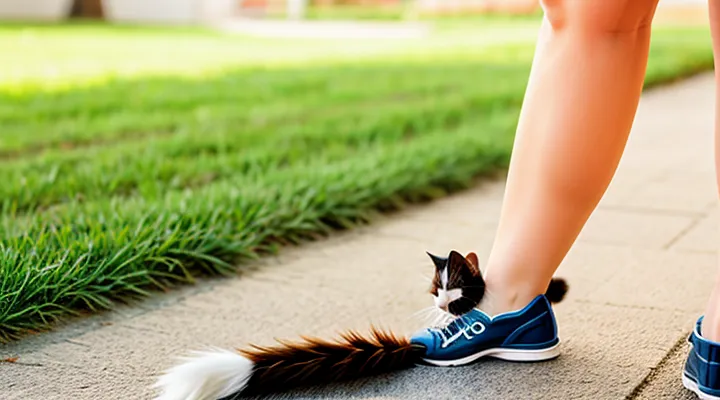
Initial Assessment
Checking for Injuries
When a cat’s tail is compressed, the animal may experience acute pain, bruising, or more serious damage such as a fracture. Immediate assessment reduces stress for the cat and guides appropriate care.
First, observe the cat’s behavior. A stiff posture, vocalization, or attempts to hide indicate discomfort. If the cat moves the tail reluctantly, flinches when touched, or displays a limp, these are clear signals of injury.
Next, conduct a visual inspection. Look for external signs: swelling, discoloration, puncture wounds, or blood. Gently run a fingertip along the length of the tail, applying light pressure only if the cat tolerates it. Resistance, sharp pain, or a “crack” feeling suggest internal trauma.
If any of the following are present, contact a veterinarian without delay:
- Persistent crying or hissing when the tail is approached
- Visible bleeding or open wounds
- Swelling that does not subside within a few minutes
- Inability to move the tail or a noticeable kink
While assessing the cat, also check your own foot for bruises or sprains. A sudden impact can cause contusions or strain, especially if the foot landed awkwardly.
After the initial check, keep the cat in a quiet, confined area to limit movement. Avoid handling the tail further; let a professional perform detailed diagnostics, such as radiography, if needed. Monitor the cat for the next 24 hours for changes in behavior or worsening symptoms, and report any concerns promptly.
Observing Behavior
When a cat’s tail is unintentionally pressed, the animal’s immediate reaction provides critical information about pain level and stress. Observe the following cues:
- Ear position: Flattened or rotated backward signals discomfort.
- Vocalization: Hissing, growling, or a sudden yowl indicates heightened distress.
- Body posture: A crouched stance, arched back, or rapid retreat suggests the cat is trying to protect the injured area.
- Pupil dilation: Enlarged pupils accompany acute pain.
- Tail movement: Twitching, stiffening, or rapid withdrawal of the tail confirms localized sensitivity.
After noting these behaviors, proceed with a calm, steady approach. Lower your voice, avoid sudden movements, and give the cat space to recover. If the cat remains still and exhibits relaxed signs-ears forward, soft purring, and a loosely held tail-gradually re‑establish contact by offering a gentle hand near, but not on, the tail. Should the cat maintain defensive signals for more than a few minutes, consider a brief veterinary assessment to rule out injury. Continuous monitoring of the described behaviors will guide whether immediate care or professional intervention is required.
Immediate Actions
Apologizing to Your Cat
As a feline behavior specialist, I recommend a clear, calm response when you unintentionally press a cat’s tail. The animal perceives the incident as a sudden threat, and a measured apology helps restore trust.
- Lower your voice and speak softly to convey reassurance.
- Offer a slow, gentle hand motion toward the cat’s head, avoiding direct contact with the tail for a few seconds.
- Present a favorite treat or a small amount of food to associate the moment with a positive experience.
- Allow the cat to approach on its own terms; do not force proximity.
- Observe body language: relaxed ears, slow blinking, or a low‑purring sound indicate acceptance. If signs of tension persist-flattened ears, hissing, or a swishing tail-give the cat additional space before attempting another interaction.
Following these steps demonstrates respect for the cat’s boundaries and reinforces a safe, predictable environment. Consistent, thoughtful responses reduce the likelihood of fear‑based reactions in future encounters.
Providing Comfort
Gentle Petting
When a cat’s tail is accidentally stepped on, the animal often reacts with a sudden twitch or vocalization. Immediate, calm handling reduces stress and prevents escalation.
- Pause movement; avoid sudden gestures that could frighten the cat further.
- Speak in a low, steady tone to signal safety.
- Place a hand lightly on the cat’s shoulder or chest, not on the tail, to re‑orient its attention.
- Apply gentle, rhythmic strokes along the back, moving from the neck toward the tail, using the pads of your fingers.
- Keep pressure minimal; the goal is to convey reassurance, not to massage the injured area.
- Observe the cat’s body language: relaxed ears, slow blinking, and a soft purr indicate comfort, while flattened ears, hissing, or rapid tail flicks suggest lingering pain.
- If signs of distress persist for several minutes, provide a quiet space and monitor for limping or swelling.
- Contact a veterinarian if the cat shows prolonged limping, vocalization, or refuses to use the tail.
Gentle petting, executed promptly and skillfully, calms the nervous system, lowers adrenaline, and facilitates recovery after an accidental tail impact.
Soft Voice Reassurance
When a cat’s tail is pressed unintentionally, the animal may react with a sudden jerk, vocalization, or brief aggression. The priority is to calm both yourself and the cat while preventing injury.
- Pause and assess the cat’s response. Look for signs of pain such as hissing, swatting, or limp movement.
- Speak in a gentle, steady tone. Soft reassurance signals safety and reduces the cat’s stress.
- Offer a slow, open-handed approach. Extend your hand without direct contact to allow the cat to sniff and become comfortable again.
- If the cat withdraws, give it space for a few minutes. Avoid chasing or forcing interaction.
- After the cat settles, check the tail for swelling, discoloration, or limping. Minor bruises usually resolve within a day; persistent pain warrants veterinary evaluation.
- Reinforce positive behavior with a calm voice and a light treat once the cat appears relaxed.
Maintain a composed demeanor throughout. A calm presence conveys that the incident was accidental and that the cat remains safe, encouraging a quicker return to normal behavior.
Post-Incident Care
Monitoring for Signs of Pain
Limping
Stepping on a cat’s tail often produces a sudden, localized jolt that can disrupt normal gait. The resulting limp may be the first indicator of soft‑tissue injury, joint strain, or nerve irritation. Recognizing the limp’s characteristics helps differentiate a benign muscle spasm from a more serious condition.
Assess the gait immediately after the incident. Observe whether the limp is unilateral, the foot strikes the ground with reduced force, or the leg swings with limited range. Palpate the thigh, knee, and calf for tenderness, swelling, or bruising. Note any numbness or tingling that suggests nerve involvement. This quick evaluation determines the appropriate level of intervention.
- Cease weight‑bearing on the affected leg for a few minutes.
- Apply a cold pack to the painful area for 15‑20 minutes, repeat every two hours during the first 24 hours.
- Elevate the leg to reduce swelling.
- Use over‑the‑counter anti‑inflammatory medication if pain persists, following label dosage.
- Perform gentle range‑of‑motion stretches after 48 hours, progressing to light strengthening exercises as comfort returns.
Seek professional medical assessment if pain intensifies after 48 hours, if swelling does not diminish, or if gait abnormalities persist beyond a week. Prevent future incidents by ensuring clear pathways, using pet‑friendly footwear, and keeping cats away from high‑traffic zones.
Swelling
When a cat’s tail is compressed by a foot, the tissue often reacts with rapid swelling. The inflammatory response increases fluid in the interstitial space, causing visible puffiness and tenderness around the tail base.
First, assess the cat’s condition. Look for signs of distress, vocalization, or difficulty moving. If the animal appears calm and the swelling is limited to the tail, proceed with the following steps:
- Apply cold therapy - Place a clean, damp cloth chilled in the refrigerator on the swollen area for 10‑15 minutes. Repeat every hour for the first six hours to reduce fluid accumulation.
- Limit movement - Prevent the cat from jumping or climbing for several hours. Confine the animal in a safe, low‑stress environment to avoid further mechanical irritation.
- Monitor pain - Observe for persistent crying, licking, or biting of the tail. If pain seems moderate, a single dose of a veterinarian‑approved analgesic (e.g., meloxicam) may be administered according to weight guidelines.
- Check for discoloration - Darkening or bruising indicates possible vascular injury. If discoloration spreads beyond the tail or the cat shows signs of systemic shock (pale gums, rapid breathing), seek veterinary care immediately.
- Maintain hygiene - Gently clean the tail with a mild antiseptic solution to prevent secondary infection, especially if the cat begins to lick the area excessively.
If swelling does not diminish within 24‑48 hours, or if the cat develops limping, loss of tail function, or an open wound, professional evaluation is required. Early intervention minimizes tissue damage and promotes faster recovery.
Changes in Appetite
Stepping on a cat’s tail can trigger an acute stress response that often manifests as a shift in the animal’s eating habits. Immediate pain releases catecholamines and cortisol, which suppress hunger signals in the hypothalamus. Consequently, the cat may refuse food for several hours after the incident.
If the cat resumes eating, the pattern may reverse. After the initial suppression, cortisol can stimulate a rebound increase in appetite, leading to overeating or rapid consumption of offered food. This fluctuation can affect weight management and gastrointestinal health, especially in cats with pre‑existing conditions such as diabetes or inflammatory bowel disease.
Owners should adopt a systematic approach:
- Inspect the tail for bruising, swelling, or bleeding; treat minor injuries with a cold compress for 10‑15 minutes, then warm the area after 24 hours.
- Offer a small, highly palatable meal within 30 minutes of calming the cat; monitor acceptance.
- Record the cat’s intake for the next 48 hours, noting any refusal or excess.
- Adjust portion size based on observed changes; provide a balanced diet that meets caloric needs without excess.
- Contact a veterinarian if appetite loss persists beyond 24 hours, if the cat shows signs of vomiting, diarrhea, or if the tail injury appears severe.
Understanding the link between stress‑induced hormonal shifts and feeding behavior enables prompt intervention, minimizes nutritional disruption, and supports a swift return to normal eating patterns.
Creating a Safe Space
When a cat’s tail is unintentionally compressed, the animal may experience shock, pain, and defensive behavior. Immediate creation of a calm environment reduces stress and prevents escalation.
First, halt any activity that could further disturb the cat. Move slowly away, keeping visual contact. Speak in a low, steady tone to reassure the animal without startling it.
Next, assess the cat’s condition. If the cat withdraws, crouch at a respectful distance, offering an unobstructed escape route. If the cat appears injured-limping, vocalizing persistently, or showing swelling-apply gentle pressure to the tail base to check for bleeding, then contact a veterinarian.
To establish a safe space, follow these steps:
- Clear the surrounding area of loud noises, sudden movements, and other pets.
- Provide a soft, familiar surface such as a blanket or a cat bed.
- Place a low, stable barrier (e.g., a folded towel) to delineate a quiet zone.
- Offer a small amount of water and, if the cat accepts, a light snack to encourage relaxation.
- Remain present but unobtrusive, allowing the cat to approach on its own terms.
Long‑term prevention relies on environmental cues. Keep pathways free of clutter that could cause accidental tail compression. Install low‑profile rugs to reduce slipping hazards. Train household members to move deliberately around the cat, especially in dim lighting.
Finally, monitor the cat for at least 24 hours. Look for changes in gait, appetite, or grooming behavior. Persistent signs of discomfort warrant professional evaluation. By systematically creating a tranquil zone and observing the animal’s response, owners can mitigate trauma and promote rapid recovery.
Offering Treats and Play
If you step on a cat’s tail by mistake, the immediate goal is to reduce stress and rebuild trust. Offering a high‑value treat signals that the incident was accidental and that you are a source of positive experiences. Follow these actions:
- Choose a favorite edible, such as a small piece of cooked chicken or a commercial cat treat, and present it within the cat’s line of sight.
- Speak in a calm, steady voice while extending the treat, allowing the cat to approach voluntarily.
- Once the cat accepts, pause the interaction for a few seconds before gently petting a neutral area, such as the head or shoulders, to avoid further tail sensitivity.
After the treat, engage the cat in a brief play session using a wand toy or laser pointer. This redirects attention, releases pent‑up energy, and reinforces a pleasant association with your presence. Keep the play short-two to three minutes-and end on a positive note, withdrawing the toy before the cat shows signs of overstimulation. Consistent use of treats and controlled play after an accidental tail step helps the cat recover confidence and prevents future fear‑based reactions.
When to Seek Veterinary Attention
Obvious Injuries
When a cat’s tail is compressed by a foot, the most immediate signs are sharp pain and a sudden twitch. The animal may vocalize, hiss, or attempt to flee. Visible bruising, swelling, or discoloration often appears within minutes. In severe cases, the tail can suffer a fracture or dislocation, which may be evident as an abnormal bend or a loss of flexibility. Bleeding from a puncture or laceration is another clear indicator of serious damage.
First‑aid assessment should begin with a calm approach to prevent additional stress. Gently restrain the cat, supporting the body while avoiding pressure on the tail. Observe for:
- Excessive swelling or a noticeable deformity
- Bleeding or open wounds
- Inability to move the tail or a limp, rigid response when touched
If any of these symptoms are present, clean minor cuts with saline solution and apply a sterile gauze pad to control bleeding. Do not attempt to straighten a suspected fracture; immobilize the tail by loosely wrapping it with a soft bandage, ensuring circulation is not compromised. Administer a low dose of a veterinarian‑approved analgesic only under professional guidance.
Prompt veterinary evaluation is essential for fractures, deep lacerations, or persistent pain. The veterinarian will perform radiographic imaging, prescribe appropriate pain management, and, if necessary, suture wounds or set bones. Early intervention reduces the risk of permanent nerve damage, infection, and long‑term mobility issues.
Persistent Limping
Stepping on a cat’s tail can cause a sudden strain or sprain in the foot, ankle, or lower leg. When pain persists beyond a few days and a limp does not improve, the condition may have progressed to a more serious injury such as a ligament tear, tendon inflammation, or a fracture. Recognizing the signs of a persistent limp and responding promptly reduces the risk of chronic dysfunction.
Key indicators of a lingering limp include
- Continuous swelling or bruising around the ankle or foot
- Sharp or throbbing pain that intensifies with weight bearing
- Reduced range of motion in the joint
- Numbness or tingling that extends up the leg
If any of these symptoms appear, follow the protocol below:
- Cease weight‑bearing activity - Rest the affected leg, use crutches or a cane to avoid pressure on the injured area.
- Apply cold therapy - Ice the region for 15‑20 minutes every 2‑3 hours during the first 48 hours to limit inflammation.
- Compress and elevate - Wrap a elastic bandage snugly, then raise the leg above heart level to decrease swelling.
- Seek professional evaluation - Schedule an appointment with a medical practitioner experienced in musculoskeletal injuries. Imaging (X‑ray, MRI) may be required to rule out fractures or severe soft‑tissue damage.
- Follow prescribed rehabilitation - Engage in guided physical‑therapy exercises that restore strength, flexibility, and gait stability. Progression should be monitored to prevent overloading.
- Monitor the cat’s welfare - Examine the animal for signs of distress, bleeding, or broken tail vertebrae. If the cat shows pain, consult a veterinarian promptly.
Neglecting a persistent limp can lead to altered biomechanics, increasing the likelihood of secondary injuries such as knee pain or hip strain. Early intervention, combined with appropriate veterinary care for the cat, ensures both human and animal recover safely.
Changes in Litter Box Habits
As a veterinary behavior specialist, I observe that an accidental pressure on a cat’s tail often triggers immediate discomfort, which can alter the animal’s litter box routine. The pain may cause the cat to associate the litter area with the unpleasant sensation, leading to avoidance, erratic elimination, or increased frequency of accidents outside the box.
Typical manifestations include:
- Sudden refusal to use the familiar litter tray.
- Preference for a different location, often on soft fabrics or carpet.
- Frequent small voids rather than normal deposits.
- Marking behavior in the vicinity of the incident.
Addressing these changes requires prompt, systematic intervention. First, assess the cat for visible injury; any swelling, limping, or vocalization warrants veterinary examination. If the tail appears intact, proceed with environmental adjustments. Clean the litter box thoroughly with an unscented, enzymatic cleanser to remove any residual scent that might signal threat. Replace the litter substrate with a low‑dust, fine‑grained product to minimize irritation.
Next, restore confidence in the litter area. Introduce a second, identical box in a quiet corner, ensuring easy access without obstacles. Gradually guide the cat to the box by placing a small amount of its own waste in the new tray, encouraging natural scent cues. Monitor for consistent use over several days; if avoidance persists, consider a temporary relocation of the box to a more secluded spot, away from high‑traffic zones.
Finally, observe the cat’s overall behavior for signs of stress. Persistent changes in elimination patterns may indicate underlying anxiety or a developing injury. In such cases, a follow‑up consultation with a veterinarian or certified animal behaviorist is essential to develop a tailored management plan.
Withdrawal or Aggression
When a cat’s tail is unintentionally compressed, the animal usually reacts with either withdrawal or aggression. Recognizing the response promptly prevents escalation and reduces the risk of injury.
A cat displaying withdrawal will:
- Flatten ears, lower the body, and seek escape routes.
- Avoid eye contact and may retreat to a hidden spot.
- Show reduced vocalization, often accompanied by a soft hiss.
A cat exhibiting aggression will:
- Swish the tail rapidly, sometimes flashing the tip.
- Emit a loud, sharp hiss or growl.
- Attempt to bite or scratch, aiming at the perceived source of pain.
The appropriate human response depends on the observed behavior:
- If withdrawal is evident, cease any movement that could further stress the cat. Speak in a low, steady tone and give the animal space to retreat. After a brief period, gently approach to assess for signs of injury, such as swelling or bleeding.
- If aggression is evident, withdraw slowly to avoid provoking a strike. Do not turn your back or make sudden gestures. Allow the cat to calm before attempting any physical contact. Once the cat’s posture relaxes, examine the tail for bruising or breakage.
In both scenarios, after confirming the cat’s condition:
- Clean any wounds with sterile saline.
- Apply a light, non‑adhesive dressing if bleeding persists.
- Monitor for changes in gait, swelling, or persistent pain over the next 24‑48 hours.
- Contact a veterinarian promptly if the cat refuses to use the affected limb, shows excessive swelling, or exhibits signs of severe distress.
Consistent, calm handling and immediate assessment minimize the likelihood of long‑term behavioral fear or chronic pain associated with tail injuries.
Preventive Measures
Awareness of Surroundings
Maintaining constant visual and tactile awareness of the floor area prevents accidental contact with a cat’s tail. When walking in a space shared with a feline, scan the ground ahead, notice any movement, and adjust stride accordingly.
If contact occurs, follow these precise actions:
- Release pressure immediately; avoid pulling the tail.
- Speak calmly to the cat, using a steady tone to reduce stress.
- Observe the animal’s reaction for signs of pain-twitching, hissing, or retreat.
- If the cat appears injured, gently examine the tail for swelling or bleeding and seek veterinary care without delay.
- After the incident, reassess the environment: remove loose rugs, secure cords, and create clear pathways to minimize future risk.
Consistent attentiveness to surroundings not only protects the cat but also preserves a harmonious coexistence between pet and owner.
Teaching Children Cat Etiquette
When a child unintentionally steps on a cat’s tail, the immediate response shapes the child’s perception of animal care. An expert approach begins with calm reassurance. Speak in a steady voice, acknowledge the cat’s discomfort, and guide the child to apologize in a gentle manner. This teaches empathy and accountability without frightening the animal.
Next, demonstrate proper handling. Show the child how to approach the cat from the side, extend a hand for the cat to sniff, and pet slowly along the back. Emphasize that the tail is a sensitive part and should never be grabbed or swatted. Reinforce the idea that cats retreat when they feel threatened, so giving the animal space is essential.
Practical steps for the child:
- Pause and observe the cat’s reaction; if the cat hisses or arches, back away.
- Offer a soft apology, such as “I’m sorry, I didn’t mean to hurt you.”
- Gently stroke the cat’s head or shoulder, avoiding the tail area.
- Provide a treat or a favorite toy as a positive reinforcement for calm behavior.
- Discuss the incident briefly, highlighting that the cat’s tail is delicate and should be respected.
Consistent reinforcement of these habits builds a foundation of cat etiquette. Incorporate short, age‑appropriate lessons into daily routines: naming body parts, explaining why cats flick their tails, and modeling respectful interaction. Encourage children to ask questions about cat behavior, fostering curiosity rather than fear.
Finally, monitor the cat’s health after the incident. Check for signs of injury-limping, swelling, or altered grooming. If any abnormality appears, seek veterinary advice promptly. By coupling immediate corrective action with ongoing education, children learn to coexist safely with feline companions, reducing the likelihood of future mishaps.
Providing Safe Hiding Spots
As a veterinary behavior specialist, I recommend establishing secure retreat areas for a cat that has experienced an accidental tail injury. A well‑designed hiding spot reduces stress, encourages recovery, and prevents defensive aggression.
- Choose a quiet room away from high traffic zones.
- Provide a covered enclosure such as a soft‑sided carrier, a cat cave, or a cardboard box with a blanket inside.
- Ensure the space is elevated or partially hidden to satisfy the animal’s instinct to observe while remaining concealed.
- Place a low‑profile litter box and a water dish within easy reach, avoiding the need for the cat to leave the refuge.
- Add a familiar scent- a piece of the cat’s bedding or a worn shirt-to reinforce safety.
Maintain the retreat area free of loud noises and sudden movements. Replace any damaged or soiled materials promptly to preserve hygiene. Monitor the cat’s behavior; if the animal repeatedly seeks the spot, keep it accessible for the duration of healing. Once mobility returns, gradually re‑introduce the cat to broader household areas while preserving the option to retreat when needed. This approach balances immediate comfort with long‑term confidence.