
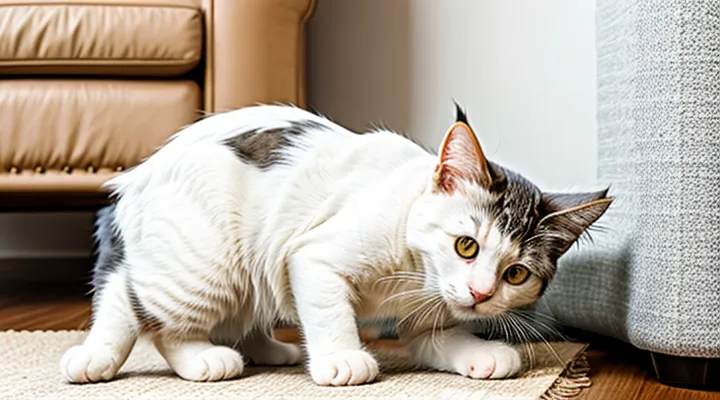
Understanding Cat Scratching Behavior
Why Cats Scratch
Cats scratch to maintain claw health, communicate, and adapt to their environment. The behavior fulfills three primary physiological and behavioral needs.
- Claw maintenance: Scratching removes the outer nail sheath, exposing a sharper inner layer. This self‑grooming prevents overgrowth and reduces the risk of injury.
- Territorial marking: Vibrations and scent glands in the paw pads leave visual and olfactory signals. These marks delineate personal space and deter intruders without aggression.
- Muscle stretching: Extending the forelimbs and flexing the spine during a scratch stretches muscles and ligaments, promoting circulation and relieving tension.
Understanding these motives clarifies why furniture becomes a target. Rough surfaces mimic natural tree bark, offering the texture cats instinctively seek. Soft, pliable materials provide resistance that satisfies the urge to sharpen claws while leaving a clear mark.
Effective prevention hinges on substituting appropriate outlets. Provide sturdy scratching posts covered in sisal, carpet, or cardboard; position them near favored furniture. Reinforce posts with catnip or pheromone sprays to enhance appeal. Regular nail trimming reduces the impact of inadvertent scratching, while short, frequent play sessions channel energy away from destructive behavior.
Common Scratching Locations
Cats select scratching sites based on texture, height, and accessibility. Understanding these preferences clarifies why damage recurs and guides effective prevention.
- Upholstered sofas and armchairs: Soft fabric offers a satisfying resistance, while the backrest provides a vertical surface for stretching.
- Wooden legs of chairs and tables: Rough grain allows claws to catch, and the height matches a cat’s natural reach.
- Carpeted areas and rugs: Fibrous loops create a tactile surface that mimics natural terrain, encouraging repeated use.
- Curtain rods and drapery fabric: Elevated, flexible material accommodates both vertical and horizontal strokes.
- Door frames and baseboards: Low, sturdy wood or painted surfaces serve as convenient launch points for quick, impulsive scratches.
Each location satisfies a specific need-muscle extension, scent marking, or territory reinforcement. Identifying the precise spots in a home enables targeted intervention, such as installing appropriate alternatives or applying deterrents, thereby eliminating unwanted behavior at its source.
Identifying Problematic Scratching
Understanding why a cat targets specific furniture is the first step toward a permanent solution. Observation, not assumption, reveals the behavior that needs correction.
- Scratching confined to one piece or material indicates a preference, not random activity.
- Repeated marks in the same spot suggest a territorial claim.
- Intensified scratching during certain times (e.g., evenings) points to heightened energy levels.
- Visible claws left longer than usual reveal inadequate nail maintenance.
Assessing the underlying cause prevents misdirected interventions. A cat may scratch because:
- Natural instinct to sharpen claws and stretch muscles.
- Stress from environmental changes, new pets, or loud noises.
- Boredom due to insufficient stimulation.
- Discomfort from a medical condition such as arthritis or overgrown nails.
A systematic evaluation eliminates guesswork:
- Record the frequency, location, and time of each incident for a week.
- Examine the cat’s health with a veterinarian to rule out pain or infection.
- Audit the home for adequate scratching posts, toys, and safe perches.
- Identify recent changes in routine or household composition that could trigger anxiety.
Accurate identification of problematic scratching equips owners with targeted strategies, ensuring that corrective measures address the true motive rather than merely masking symptoms.
Solutions and Strategies
Providing Appropriate Alternatives
Cats instinctively sharpen claws, so providing suitable substitutes is essential for lasting success. Durable scratching posts made from sisal or carpet should be placed near the objects the cat targets. When the cat uses the post, reward with a treat or brief praise; consistent reinforcement builds a clear association between the post and positive outcomes.
A second option involves horizontal surfaces such as scratching pads or mats. Position these on coffee tables or armrests where the cat prefers to scratch. Choose materials that mimic the texture of the furniture, allowing the cat to satisfy its need without damage.
Third, protect the furniture directly. Apply clear, adhesive protectors or slipcovers to vulnerable areas. Deterrent tapes with a mild adhesive create an unpleasant sensation that discourages contact while remaining harmless to the cat.
Fourth, enrich the environment to reduce boredom‑driven scratching. Rotate toys daily, introduce climbing shelves, and schedule interactive play sessions. An engaged cat is less likely to seek attention through destructive behavior.
Finally, consider scent‑based deterrents. Sprays containing citrus or bitter almond flavors, applied lightly to furniture, repel most cats. Test on a hidden area first to ensure the finish is unaffected.
Implementing these alternatives together creates a layered strategy: the cat receives appropriate outlets, the furniture gains protection, and the overall environment remains stimulating. Consistency in placement, reinforcement, and maintenance ensures the habit shifts permanently.
Scratching Posts and Surfaces
Choosing the right scratching infrastructure is the most reliable method to protect household furnishings. A well‑designed post or pad offers the tactile feedback cats instinctively seek, reducing the urge to target sofas, chairs, or curtains.
Materials matter. Sisal rope, corrugated cardboard, and natural wood provide distinct textures that satisfy different claw preferences. Sisal endures heavy use, while cardboard invites frequent replacement without expense. Combine surfaces-vertical post for stretching, horizontal panel for lounging-to mirror natural scratching behavior.
Placement determines success. Position the post near the object the cat currently attacks, then gradually shift it toward a less conspicuous area. Ensure the base is stable; wobbling discourages use. A height equal to the cat’s shoulder allows full extension of the forelimbs, encouraging proper posture.
Training reinforces adoption. When the cat approaches the post, gently guide the front paws onto the surface and reward with a treat or brief verbal praise. Repeat the gesture each time the cat shows interest. Consistency creates an association between the post and positive reinforcement.
Maintenance preserves appeal. Trim overgrown claws weekly to prevent damage to the post and reduce the need for excessive force. Refresh cardboard pads every few weeks; inspect sisal for fraying and replace when worn. Cleaning with a mild, unscented solution eliminates odors that might deter use.
Supplementary strategies increase effectiveness. Apply a feline‑appealing pheromone spray to the post’s base, and use double‑sided tape or a citrus‑scented deterrent on the furniture while the cat learns the alternative. Over time, the cat will prioritize the dedicated surface, leaving the rest of the home untouched.
Vertical vs. Horizontal Scratchers
As a feline behavior specialist, I recommend evaluating both vertical and horizontal scratching surfaces when designing a comprehensive plan to protect household furnishings. Cats instinctively mark territory, stretch muscles, and maintain claw health; the orientation of a scratcher influences how effectively these needs are met.
Vertical scratchers replicate tree trunks, encouraging full‑body extension. They are ideal for cats that prefer upward motions and for older animals that need a sturdy anchor point. Placement near windows, doorways, or areas where the cat frequently walks maximizes visibility and access. Materials such as sisal rope, carpeted panels, or compressed wood provide sufficient resistance to engage claw sheaths without causing damage to the product.
Horizontal scratchers simulate ground‑level surfaces like branches or logs. They accommodate cats that favor a low‑to‑the‑ground stance, often younger or smaller individuals. Positioning these on the floor beside preferred resting spots or near existing problem areas directs the cat’s attention away from upholstery. Cardboard, woven fabric, or flat sisal mats deliver adequate texture while remaining easy to replace.
Key considerations for selecting the appropriate type:
- Cat size and age: Larger, mature cats typically gravitate toward vertical options; kittens and petite breeds often choose horizontal.
- Preferred scratching style: Observe whether the cat lifts its forepaws upward or pushes forward with its paws on the floor.
- Furniture proximity: Place the chosen scratcher within a short distance of the targeted furniture to encourage substitution.
- Durability and maintenance: Choose materials that withstand repeated use and can be refreshed without excessive cost.
Integrating both orientations can cover a broader range of preferences, reducing the likelihood of furniture damage. Begin by introducing a vertical scratcher near the most affected piece of furniture, monitor the cat’s response, and add a horizontal option if the cat continues to seek alternative surfaces. Consistent reinforcement with positive feedback-such as treats or praise-when the cat uses the designated scratcher solidifies the behavior and eliminates the need for punitive measures.
Different Materials
Cats instinctively seek surfaces that provide resistance and grip when they claw. Understanding the interaction between feline claws and material composition enables permanent redirection of this behavior.
Materials that encourage scratching include:
- Natural sisal rope or fabric - dense fibers create the tactile feedback cats crave.
- Corrugated cardboard - lightweight yet abrasive, ideal for temporary scratch pads.
- Untreated hardwood - grain patterns offer a firm, audible response.
Materials that deter scratching comprise:
- Polished leather - smooth, non‑grippable surface reduces claw engagement.
- Tempered glass - hard, slick texture eliminates resistance.
- High‑gloss acrylic - glossy finish presents minimal friction.
- Metal alloys with a brushed finish - cold, unyielding surface discourages use.
When selecting furniture, prioritize finishes that combine durability with low tactile appeal. Applying a clear polyurethane coat to wood increases hardness while preserving aesthetics, making the surface less inviting for claws. For existing pieces, attach detachable covers made of laminated leather or acrylic panels to vulnerable edges. Secure the covers with adhesive strips that resist removal by a cat’s paw.
Integrating dedicated scratch stations constructed from sisal or cardboard provides a preferred outlet, allowing the cat to satisfy its instinct without damaging household items. Position these stations near the furniture the cat targets; proximity reinforces the alternative behavior.
Choosing the appropriate material for both protective barriers and designated scratch areas creates a sustainable solution, eliminating repeated damage and preserving the integrity of the home environment.
Deterring Unwanted Scratching
As a veterinary behavior specialist, I focus on eliminating destructive clawing by addressing the underlying drivers and providing reliable alternatives.
Cats scratch to mark territory, stretch muscles, and maintain claw health. Removing this instinct without replacement leads to frustration and continued damage. The following protocol combines environmental modification, behavioral conditioning, and physical barriers.
- Install sturdy scratching posts or boards near each piece of furniture the cat targets. Choose materials such as sisal rope or corrugated cardboard, and position them at the cat’s preferred height. Encourage use by rubbing catnip or attaching a small toy to the post.
- Apply a deterrent surface to the furniture. Double‑sided tape, aluminum foil, or a commercial pet‑safe spray creates an unpleasant texture that discourages contact. Test the product on a hidden area to prevent discoloration.
- Trim claw tips weekly with a professional nail grinder or clippers. Shorter claws reduce the severity of any remaining scratches.
- Provide daily play sessions lasting 10-15 minutes. Interactive toys that mimic prey satisfy the cat’s hunting drive, decreasing the urge to scratch out of boredom.
- Reinforce desired behavior instantly. Offer a treat or verbal praise the moment the cat uses the designated post. Consistency builds a clear association between scratching and reward.
- Limit access to vulnerable furniture when unsupervised. Use a lightweight throw or a pet‑friendly slipcover that can be removed quickly if the cat approaches the area.
- Consider a soft claw cover for temporary protection. Fit each cover snugly and monitor for signs of discomfort; remove if the cat shows distress.
Implementation requires persistence for at least two weeks, after which the cat typically transfers its activity to the approved surfaces. Regular assessment of the cat’s environment and adjustment of deterrents ensure long‑term success in preventing furniture damage.
Protective Barriers and Covers
As a feline‑behavior specialist, I advise using protective barriers and covers to eliminate unwanted scratching and preserve furniture integrity.
Select materials that resist claw penetration while remaining comfortable for the cat. Common options include:
- Transparent polycarbonate panels that attach to chair backs and table legs; they prevent direct contact without altering aesthetics.
- Vinyl or canvas slipcovers with a tight weave; these can be fitted over sofas and recliners and washed regularly.
- Double‑sided adhesive tape strips placed on the lower edges of armrests; cats dislike the sticky sensation, discouraging repeated attempts.
- Commercially available claw‑guard sheets made of reinforced fabric; they adhere with Velcro and can be trimmed to exact dimensions.
Installation steps:
- Measure the target surface accurately, accounting for curves and protrusions.
- Cut the barrier material to match measurements, leaving a small margin for overlap.
- Secure the piece using screws, brackets, or adhesive as recommended by the manufacturer; ensure no loose edges that a cat could snag.
- Test stability by applying gentle pressure; the barrier must remain in place during typical cat activity.
Maintenance considerations:
- Inspect edges weekly for wear; replace or reinforce compromised sections promptly.
- Clean fabric covers according to label instructions to remove scent markers that might attract scratching.
- Rotate protective panels periodically if the cat shows habituation; alternating placement can sustain deterrent effect.
Integrating barriers with behavioral strategies-such as providing ample scratching posts and applying pheromone diffusers nearby-maximizes success. When barriers are correctly chosen, fitted, and maintained, they provide a reliable, long‑term solution to feline furniture damage.
Repellents and Sprays
Effective deterrents for undesired feline clawing rely on scent and texture aversion. Commercial repellents contain citrus, bitter almond, or pheromone compounds that cats find unpleasant. Apply the product to the surface according to the manufacturer’s instructions; re‑apply after cleaning or exposure to sunlight. Choose a formulation labeled safe for upholstery, wood, or leather to avoid damage.
Key considerations when selecting a spray:
- Active ingredient (citrus oil, valerian root, synthetic bitter agents)
- Compatibility with the furniture material
- Duration of effect (most products require reapplication every 2‑4 weeks)
- Presence of cat‑safe certifications
DIY alternatives use diluted white vinegar (1 part vinegar to 4 parts water) or a mixture of water, lemon juice, and a few drops of eucalyptus oil. Test any solution on an inconspicuous area to confirm colorfastness before full application.
When deploying repellents, combine them with environmental enrichment. Provide scratching posts treated with catnip or feline‑friendly textures near the protected furniture. Consistent placement of attractive alternatives reduces the likelihood that the cat will test the repellent repeatedly.
Monitor the cat’s response for at least a week. If avoidance is insufficient, increase the concentration within safe limits or switch to a different scent profile. Persistent scratching despite multiple repellent trials may indicate a need for behavioral consultation.
Environmental Modifications
Effective control of feline clawing depends on reshaping the cat’s surroundings. Replace vulnerable surfaces with durable alternatives, supply attractive scratching options, and manage access to attractive targets.
- Install clear acrylic or polycarbonate panels on the edges of sofas and chairs; the smooth surface discourages claw engagement while preserving visual appeal.
- Attach self‑adhesive double‑sided tape or a thin layer of textured vinyl to the areas most frequently attacked; the unpleasant texture interrupts the scratching cycle.
- Provide multiple vertical and horizontal scratching posts covered in natural sisal, compressed cardboard, or woven hemp; position them near the furniture the cat prefers.
- Use pheromone‑infused diffusers or sprays in the vicinity of scratching posts to reinforce positive association with the designated outlets.
- Apply pet‑safe deterrent sprays containing citrus or bitter agents to the furniture; reapply after cleaning to maintain efficacy.
- Employ furniture covers made of tightly woven fabric or slipcovers that can be removed for washing; choose materials that resist claw penetration.
Strategic placement of these modifications creates a clear hierarchy of acceptable surfaces, channels the cat’s instinctual behavior toward appropriate outlets, and eliminates the need for repetitive training. Consistent environmental management yields lasting protection for household furnishings.
Training and Reinforcement
As an animal‑behavior specialist, I focus on the mechanisms that reshape a cat’s instinct to claw surfaces. Training and reinforcement provide a reliable pathway to eliminate destructive scratching without compromising the cat’s need for nail maintenance.
First, present an acceptable alternative. Place sturdy scratching posts or pads near each targeted piece of furniture. Choose materials-sisal, cardboard, or carpet-that match the texture the cat prefers. Secure the posts firmly to prevent wobbling, which discourages use.
Second, apply positive reinforcement. Each time the cat contacts the designated post, deliver an immediate reward such as a small treat, a brief petting session, or a verbal cue (“good”). Consistency in timing ensures the cat associates the post with a pleasant outcome. Limit rewards to the first few seconds of interaction; over‑feeding can dilute the effect.
Third, employ deterrents on the furniture. Attach double‑sided tape, a citrus‑scented spray, or a plastic cover to the edges most frequently attacked. These stimuli produce mild discomfort without harming the animal, prompting the cat to seek the approved surface.
Fourth, shape behavior through incremental training sessions. Begin with short, five‑minute intervals where you guide the cat’s paws onto the post using a toy or a feather wand. Gradually extend the duration as the cat demonstrates independent use. Record progress to identify patterns and adjust timing.
Fifth, maintain environmental consistency. Keep the scratching posts in the same locations, replenish worn surfaces promptly, and avoid moving furniture that the cat has learned to avoid. In multi‑cat households, provide multiple posts to reduce competition and territorial stress.
Practical checklist
- Install scratching posts adjacent to each problem area.
- Use treats or affection within three seconds of post contact.
- Apply non‑toxic deterrents to furniture edges.
- Conduct daily five‑minute guided sessions, extending as compliance grows.
- Replace worn posts and keep their placement constant.
By systematically rewarding appropriate scratching and making undesirable surfaces unappealing, the cat learns to redirect its natural behavior. Consistent application of these training and reinforcement strategies eliminates furniture damage permanently.
Positive Reinforcement Techniques
Positive reinforcement offers a reliable, humane pathway to redirect a cat’s natural urge to claw away from sofas, chairs, and curtains. By rewarding desired behavior, the animal learns to associate alternative scratching options with pleasant outcomes, reducing reliance on prohibited surfaces.
Begin by identifying a suitable scratching medium-commercial sisal posts, cardboard pads, or textured wooden boards. Place each item near the furniture the cat currently targets, then introduce a reward system. Whenever the cat makes contact with the approved surface, deliver an immediate, consistent reward such as a small treat, a brief session of gentle petting, or a burst of verbal praise. Timing is critical; the reinforcement must follow the action within seconds to create a clear connection.
To strengthen the habit, gradually move the preferred scratching objects farther from the original furniture. During each relocation, maintain the reward schedule to ensure the cat follows the new position without reverting to old habits. If the cat attempts to scratch the forbidden area, interrupt the behavior with a firm “no” and promptly guide it to the appropriate post, followed by a reward upon compliance.
A structured routine enhances success. Allocate short, regular play intervals-five minutes three times daily-during which the cat can explore the designated scratching tools. Incorporate interactive toys that encourage movement toward the posts, reinforcing the association between activity and permissible scratching.
Maintain the environment by keeping the rewarded surfaces clean and free of odors that might deter use. Replace worn-out posts promptly; a fresh texture renews interest and prevents frustration that could lead back to furniture damage.
In summary, the core steps are:
- Choose durable, attractive scratching objects.
- Position them near problem areas.
- Deliver immediate, consistent rewards for use.
- Slowly relocate objects away from furniture while preserving reinforcement.
- Provide regular play sessions that involve the approved surfaces.
- Refresh or replace items to sustain engagement.
By adhering to this systematic, reward‑based approach, cat owners can eliminate destructive scratching without resorting to punitive measures, ensuring both the animal’s well‑being and the preservation of household furnishings.
Addressing Underlying Issues
Cats scratch because they need to maintain claws, claim territory, relieve stress, and express energy. When these motivations are unmet, furniture becomes the default outlet. An expert approach begins with a systematic assessment of the cat’s environment and health status.
First, verify that no medical condition, such as arthritis or skin irritation, is prompting excessive scratching. A veterinary examination rules out pain or infection that could alter behavior. If the cat is healthy, identify environmental deficits: lack of appropriate scratching surfaces, insufficient play, or unpredictable routines that generate anxiety.
Implement the following measures:
- Provide multiple scratching posts covered with sisal, cardboard, or carpet, placed near the objects currently targeted.
- Anchor posts vertically and horizontally to accommodate different preferences.
- Rotate posts regularly to keep them novel; replace worn surfaces promptly.
- Enrich the environment with interactive toys, puzzle feeders, and scheduled play sessions lasting at least 15 minutes twice daily.
- Introduce pheromone diffusers or sprays in areas where scratching occurs to reduce territorial stress.
- Establish a consistent daily schedule for feeding, litter cleaning, and interaction to lower uncertainty.
- Apply double-sided tape or a reversible plastic cover to the furniture temporarily; the tactile discomfort discourages use without harming the cat.
Finally, reinforce desired behavior with immediate positive feedback. When the cat uses a designated post, reward with treats or gentle praise. Consistency across household members ensures the cat receives the same signals, consolidating the new habit. By addressing the root causes-health, environment, and routine-scratching on furniture can be eliminated permanently.
Consistency is Key
Consistency determines success when training a cat to avoid furniture damage. Begin by selecting a durable scratching surface that matches the cat’s natural preference-sisal, cardboard, or hardwood. Place the post near the targeted furniture, then slowly move it towards a more convenient location while maintaining the cat’s access. Each time the cat approaches the post, encourage contact with a gentle tug of a toy or a treat held directly above the material. Reward the behavior instantly; a small morsel or brief verbal praise must follow the first successful swipe.
Repeat the same cue and reward sequence multiple times daily. A schedule of three short sessions-morning, afternoon, evening-creates a predictable pattern that the cat learns to anticipate. During each session, use identical language (“Here’s your post”) and identical hand signals. Avoid varying the command or the reward type, as inconsistency confuses the animal and prolongs the habit of scratching furniture.
When the cat attempts to use the sofa or chair, intervene immediately with a firm “no” and redirect to the designated post. Do not allow a single scratch on the furniture to go unchecked; the response must be identical each time. Consistent redirection teaches the cat that only the provided surface yields positive outcomes.
Maintain the scratching post’s appeal. Refresh the material once it becomes worn, reposition it if it is ignored for more than a week, and keep it free of odors that might deter use. Replace treats with the same flavor or size; alternation erodes the clear cause‑effect relationship the cat relies on.
A concise checklist reinforces the routine:
- Choose appropriate material and place post near problem area.
- Conduct three daily sessions using the same cue and reward.
- Intercept any furniture scratch instantly, redirect to post.
- Keep post in good condition; replace or relocate as needed.
- Use identical treats and praise each time.
By applying the same actions, signals, and rewards without deviation, the cat learns to associate scratching exclusively with the designated post, eliminating damage to household furnishings permanently.
Advanced Considerations
When to Seek Professional Help
Cats instinctively scratch to mark territory, maintain claw health, and stretch muscles. Most owners can redirect this behavior with environmental changes, training, and appropriate toys. However, certain situations indicate that home‑based solutions are insufficient and professional intervention is warranted.
Typical signs that veterinary or behavior‑specialist assistance is needed include:
- Persistent aggression toward people or other pets when the cat is denied access to preferred scratching surfaces.
- Chronic over‑scratching that damages structural elements of the home despite the presence of deterrents and enrichment.
- Visible injuries on the cat’s paws, pads, or joints, suggesting pain, infection, or abnormal claw growth.
- Sudden onset of excessive scratching after a medical event, such as surgery, illness, or medication change.
- Inability to habituate the cat to any alternative scratching material after several weeks of consistent training.
When any of these indicators appear, schedule a veterinary examination promptly. The veterinarian can rule out underlying medical conditions such as arthritis, dermatitis, or nail disorders that may drive abnormal scratching. If health issues are excluded, a certified animal behaviorist can conduct a functional assessment, identify triggers, and develop a tailored behavior modification plan. This plan may incorporate desensitization protocols, environmental restructuring, and, when appropriate, prescription‑only pheromone products or low‑dose anxiolytics.
Delaying professional evaluation can exacerbate damage to furniture, increase stress for both animal and owner, and potentially lead to more severe behavioral problems. Early consultation maximizes the likelihood of restoring a harmonious living environment while preserving the cat’s natural need to scratch.
Medical Conditions Affecting Behavior
Cats that repeatedly damage furniture often do so because of underlying health problems that alter their grooming, movement, or stress levels. Recognizing these medical factors is essential for any lasting solution.
Common conditions that increase scratching include:
- Allergic dermatitis - skin irritation from food, environmental allergens, or flea bites prompts cats to claw at surfaces for relief.
- Fungal or bacterial infections - localized infections cause itching and discomfort, leading to excessive claw use.
- Arthritis or joint pain - stiffness makes cats seek alternative ways to stretch and relieve tension, often by targeting furniture.
- Dental disease - oral pain can cause restlessness, resulting in more frequent clawing as a displacement behavior.
- Hyperthyroidism - elevated metabolism drives hyperactivity and compulsive scratching.
- Anxiety or stress‑related disorders - chronic stress, separation anxiety, or environmental changes trigger self‑soothing clawing.
- Neurological disorders - seizures or tremor conditions may produce involuntary scratching motions.
Accurate diagnosis requires veterinary assessment. Blood panels, skin scrapings, radiographs, and behavioral questionnaires help identify the root cause. Treatment protocols typically involve:
- Eliminate allergens through diet changes or environmental control.
- Administer appropriate antibiotics, antifungals, or anti‑inflammatory medication for infections.
- Provide joint supplements, analgesics, or physiotherapy for musculoskeletal pain.
- Treat dental disease with professional cleaning or extractions.
- Manage hyperthyroidism with medication, radioactive iodine, or surgery.
- Apply behavioral therapy, pheromone diffusers, or anxiety‑reducing medications.
- Address neurological issues with anticonvulsants or supportive care.
Once the medical issue is resolved, cats usually reduce destructive clawing. Combine veterinary treatment with environmental modifications-such as providing sturdy scratching posts, covering vulnerable furniture with protective sleeves, and maintaining regular play sessions-to reinforce appropriate behavior. A comprehensive approach that treats health problems and offers suitable outlets eliminates furniture damage permanently.
Long-Term Management
Effective long‑term control of feline scratching requires an integrated approach that combines environmental modification, behavioral conditioning, and regular health monitoring.
First, provide appropriate alternatives that satisfy a cat’s instinct to claw. Install several sturdy scratching posts or panels covered with sisal, carpet, or cardboard. Place each device near a favorite resting spot and near the furniture that is currently being damaged. Rotate the locations periodically to maintain novelty and prevent habituation.
Second, reinforce desirable behavior with consistent positive feedback. Whenever the cat uses an approved surface, deliver an immediate reward-such as a brief petting session, a treat, or a verbal cue. Pair the reward with a distinct word or sound to create a clear association. Over time, the cat learns to prefer the designated posts over the upholstery.
Third, deter access to prohibited areas without causing fear. Apply double‑sided tape, aluminum foil, or a commercial cat‑repellent spray to the legs and arms of furniture. These textures produce an unpleasant tactile sensation that discourages repeated attempts. Ensure the deterrent is reapplied after cleaning or when it loses effectiveness.
Fourth, address underlying health issues that may amplify scratching. Schedule veterinary examinations at least annually to rule out pain, arthritis, or skin conditions that could drive excessive clawing. Maintain a balanced diet rich in essential nutrients to support healthy nail growth, and consider a regular nail‑trimming regimen every four to six weeks.
Fifth, manage the household’s routine to reduce stress. Keep feeding times, play sessions, and litter‑box cleaning on a predictable schedule. Provide daily interactive play using wand toys or laser pointers to expend excess energy. A calm environment lessens the impulse to mark territory through scratching.
A practical checklist for sustained success:
- Install 2-3 scratching posts per household, varying material and orientation.
- Position posts adjacent to previously damaged furniture.
- Reward each correct use within seconds of the action.
- Apply tactile deterrents to all furniture surfaces prone to scratching.
- Conduct veterinary check‑ups yearly; trim nails regularly.
- Maintain consistent daily routines for feeding, play, and cleaning.
Adhering to these measures creates a self‑reinforcing system where the cat’s natural behavior is channeled onto appropriate surfaces, while the risk of damage to household furnishings diminishes permanently.