
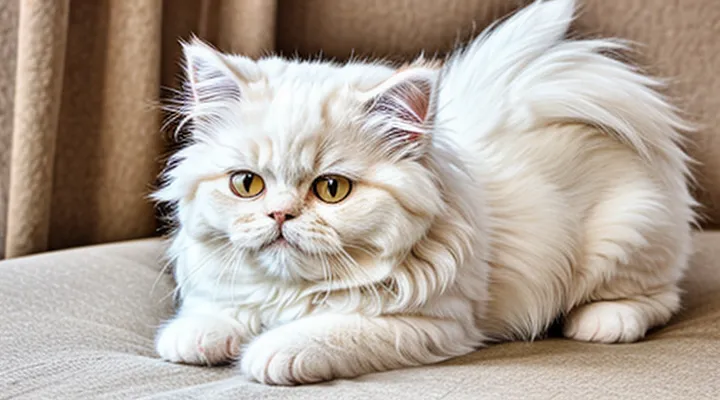
1. Understanding Persian Cat Fur
1.1. Unique Characteristics
The Persian cat’s coat distinguishes itself through several anatomical and physiological features that directly influence grooming protocols. The outer layer consists of long, silky hairs that lie flat against the body, while an exceptionally dense undercoat provides insulation and contributes to the breed’s characteristic plush appearance. These two layers interact to create a surface that readily traps debris, moisture, and loose fibers, making regular maintenance essential to prevent matting and skin irritation.
Key attributes of Persian fur include:
- Length: individual strands often exceed two inches, increasing susceptibility to tangles.
- Density: a high hair‑to‑skin ratio results in a thick, heavy coat that retains heat.
- Texture: the outer coat possesses a smooth, glossy finish, whereas the undercoat is soft and fluffy.
- Growth pattern: hairs grow in a circular direction around the body, causing natural spirals that can intertwine.
- Shedding cycle: a semi‑annual increase in shedding aligns with seasonal temperature changes, amplifying the risk of clumps.
Understanding these characteristics enables precise care strategies. The extended length demands daily combing with a wide‑tooth brush to separate strands before they lock together. The dense undercoat benefits from a secondary de‑shedding tool that penetrates to the skin, removing loose hair without damaging the outer layer. Because the coat retains moisture, thorough drying after baths prevents fungal growth. Recognizing the breed’s specific fur profile ensures that maintenance routines address the inherent challenges while preserving the Persian’s renowned elegance.
1.2. Common Fur Problems
As a veterinary dermatologist with extensive experience in long‑haired breeds, I observe that Persian cats frequently encounter a limited set of coat issues. Recognizing these problems early prevents discomfort and more serious health complications.
- Matting and tangles: Dense undercoat and fine topcoat combine to form knots, especially around the neck, belly, and hind legs. Untended mats pull on the skin, causing pain and potential alopecia.
- Excessive shedding: Seasonal hormone shifts trigger rapid hair loss. Loose fur accumulates on furniture and may be inhaled, leading to respiratory irritation.
- Dry, flaky skin: Low humidity, inadequate nutrition, or underlying dermatological disease reduces sebum production, leaving the coat brittle and prone to breakage.
- Hairball formation: Frequent ingestion of loose hair during self‑grooming creates trichobezoars that can obstruct the gastrointestinal tract if not expelled.
- Parasite infestation: Fleas, mites, and lice thrive in the thick fur, producing itching, redness, and secondary bacterial infections.
- Skin infections: Moisture trapped in dense fur creates an environment for fungal or bacterial overgrowth, manifested by odor, crusting, and ulceration.
Effective management begins with regular grooming sessions using a wide‑tooth comb followed by a fine‑tooth brush to dismantle tangles before they solidify. Weekly brushing reduces shedding volume and limits hair ingestion. Incorporate a balanced diet rich in omega‑3 fatty acids to support skin barrier integrity and coat elasticity. Hydration levels should be monitored; adding water‑rich foods or a humidifier can alleviate dryness. For hairball control, provide a fiber‑enhanced diet or specialized hairball treats, and schedule occasional laxative administration under veterinary guidance. Prevent parasites with a year‑round ectoparasitic regimen approved for long‑haired cats, and inspect the coat weekly for signs of irritation. Should any lesion, persistent itching, or abnormal odor appear, seek veterinary evaluation promptly to identify and treat underlying infections.
2. Essential Grooming Tools
2.1. Brushes and Combs
2.1.1. Slicker Brush
As a feline grooming specialist, I recommend a stainless‑steel slicker brush for maintaining the dense, double‑coat of Persian cats. The brush’s fine, flexible teeth penetrate the outer layer without damaging the delicate undercoat, reducing mat formation and shedding.
Key advantages:
- Removes loose hair and debris while detangling minor knots.
- Stimulates natural oil distribution, enhancing coat sheen.
- Allows quick inspection of skin for parasites or irritation.
Effective use:
- Secure the cat on a stable surface; a grooming table with a non‑slip mat works best.
- Start at the neck, moving toward the tail in short, gentle strokes; avoid pulling on tangled sections.
- Apply light pressure; the brush should glide smoothly without resistance.
- After each pass, pause to assess the coat and address any larger mats with a wide‑tooth comb before returning to the slicker brush.
- Repeat the process on the legs, belly, and under the chin, where fur tends to accumulate.
Frequency: brush the cat 3-4 times weekly for routine maintenance; increase to daily sessions during shedding periods or before bathing.
Maintenance: remove hair clippings after each grooming session, rinse the brush under warm water, and allow it to air‑dry. Periodically inspect teeth for wear and replace the brush when stiffness diminishes.
2.1.2. Metal Comb
A metal comb is a fundamental tool for maintaining the dense, silky coat of a Persian cat. Its fine, evenly spaced teeth glide through the undercoat without pulling, reducing the risk of mat formation and skin irritation.
When selecting a metal comb, choose one made of stainless steel or high‑grade alloy to prevent rust and ensure durability. The teeth should be uniformly spaced at approximately 2-3 mm; this spacing removes loose hairs while preserving the integrity of the longer guard hairs.
Effective use of the metal comb follows a consistent routine:
- Begin with a gentle brush to eliminate surface debris.
- Hold the comb at a shallow angle and start at the base of the coat, working toward the tip.
- Move in short, controlled strokes, covering each section for no more than a few seconds.
- Repeat the process on the belly, legs, and tail, where mats are most likely to develop.
- Finish with a soft brush to smooth the outer layer.
Precautions include avoiding excessive pressure, which can bruise delicate skin, and inspecting the comb for bent or sharp teeth before each session. After use, wash the comb with warm, soapy water, rinse thoroughly, and dry completely to prevent corrosion.
Regular combing with a proper metal comb, performed two to three times weekly, sustains the Persian cat’s characteristic plush appearance and promotes healthy circulation within the skin.
2.1.3. Dematting Comb
A dematting comb is essential for maintaining the dense, semi‑long coat of a Persian cat. The tool’s fine, closely spaced teeth separate tangled hair without pulling the skin, preventing the formation of painful mats that can lead to skin irritation or infection.
When selecting a comb, consider the following criteria:
- Stainless‑steel or high‑grade plastic construction for durability and ease of cleaning.
- Teeth spacing of 2-4 mm, which balances effectiveness on thick undercoat and gentleness on the outer layer.
- An ergonomic handle that allows steady pressure without hand fatigue.
Proper technique minimizes stress for both cat and caretaker. Begin with a brief session of gentle stroking to relax the animal. Hold the comb at a 45‑degree angle to the skin, then pull each row of teeth through the fur in short, controlled strokes. If a knot resists, use a fingertip to separate the strands before combing, rather than forcing the tool through the mat. Work from the base of the coat toward the tip, progressing section by section.
Routine grooming schedules reduce the need for intensive dematting. For most Persian cats, a daily combing session of 5-10 minutes prevents accumulation of loose hair and keeps the undercoat evenly distributed. During seasonal shedding periods, increase frequency to twice daily to manage the surge of loose fibers.
Safety precautions include:
- Inspecting the comb for damage before each use; a bent tooth can snag the fur.
- Avoiding excessive pressure, which can bruise delicate skin.
- Monitoring the cat’s reaction; pause if signs of distress appear and resume after a short break.
Consistent application of a suitable dematting comb preserves coat health, supports skin integrity, and contributes to the overall well‑being of Persian cats.
2.2. Shampoos and Conditioners
When selecting a cleanser for a Persian cat’s coat, prioritize formulas that match the animal’s skin pH (approximately 6.5-7.0). Products labeled “cat‑specific” or “feline‑friendly” typically meet this requirement. Avoid human shampoos, as they contain surfactants that can irritate the cat’s delicate skin and disrupt the natural oil balance.
Key attributes of an effective shampoo include:
- Tear‑free composition: Prevents discomfort if the solution contacts the eyes.
- Hypoallergenic ingredients: Reduces the risk of allergic reactions in sensitive cats.
- Mild cleansing agents: Removes dirt and loose hair without stripping essential oils.
- Fragrance‑free or low‑odor: Minimizes respiratory irritation for both cat and owner.
Conditioners serve to restore moisture and improve manageability after washing. Choose a conditioner that:
- Contains natural emollients such as aloe vera or oat extract.
- Is free of heavy silicones that can accumulate on the fur and cause matting.
- Provides a light detangling effect to facilitate brushing of the dense undercoat.
Application protocol:
- Wet the coat with lukewarm water; ensure water does not enter the ears or eyes.
- Dispense a small amount of shampoo, massage gently into the fur, and work down to the skin. Rinse thoroughly to eliminate residue.
- Apply conditioner to the mid‑length and tip of the hair, avoiding the face. Allow a brief pause (30-60 seconds) before a final rinse.
- Pat the cat dry with a soft towel; avoid vigorous rubbing, which can cause breakage.
Frequency of use depends on the cat’s activity level and environmental exposure. For most indoor Persians, a bath every four to six weeks maintains coat health without over‑drying the skin. Adjust intervals if the cat exhibits signs of oiliness or excessive shedding.
Regular monitoring of the coat’s texture and skin condition will indicate whether the chosen products remain suitable. Replace any cleanser that provokes redness, itching, or a change in fur quality.
2.3. Other Grooming Supplies
2.3.1. Nail Clippers
Nail clippers are a fundamental instrument for maintaining the overall health of a Persian cat’s coat, as overgrown claws can cause discomfort, self‑trauma, and uneven grooming. Choose a pair designed for small, dense paws; stainless‑steel guillotine or scissor models with a safety stop are preferred for precision and durability. A blade length of 1 mm to 2 mm provides the necessary control without exerting excessive pressure.
Prepare the cat by creating a calm environment: dim lighting, a quiet room, and gentle handling reduce stress. Secure the animal on a stable surface, preferably a grooming table with a non‑slip mat, and support the hind legs with one hand while the other holds the clippers. Position the claw so the quick-a pinkish vascular core-is visible; this minimizes the risk of accidental cuts.
Trim each nail by cutting only the tip, avoiding the quick. A single, clean slice reduces splintering and promotes smooth regrowth. If the quick is not clearly visible, trim a small amount (0.5 mm) and reassess. Should bleeding occur, apply a sterile styptic powder or cornstarch to the site and apply gentle pressure until hemostasis is achieved.
After clipping, inspect all paws for uniform length and smooth edges. Offer a treat or brief play session to reinforce a positive association with nail maintenance. Regular trimming-every 10-14 days-prevents overgrowth and supports the cat’s grooming routine, contributing to a healthier, more manageable coat.
2.3.2. Eye Wipes
Veterinary grooming specialists treat eye wipes as a core component of Persian cat facial maintenance. The dense lashes and facial folds collect tear staining, which quickly discolors the surrounding coat. Regular application of a suitable wipe prevents permanent pigment deposits and reduces irritation.
- Choose wipes formulated with sterile saline, aloe vera, or chamomile extracts; avoid products containing alcohol, fragrances, or harsh detergents.
- Prefer wipes with a soft, non‑abrasive texture to protect delicate whiskers and skin.
- Ensure each wipe is individually sealed to maintain sterility until use.
Application procedure:
- Wash hands thoroughly and dry them completely.
- Open a single wipe, avoiding contact with the outer surface.
- Gently lift the cat’s eyelid with a fingertip, exposing the inner corner.
- Lightly swipe the wipe from the inner corner outward, following the natural curve of the eye.
- Repeat on the opposite eye using a fresh wipe.
- Discard the used wipe immediately; do not reuse.
Frequency guidelines recommend wiping each eye twice daily-once in the morning and once in the evening. Increase to three times if tear discharge is excessive or during seasonal allergies. Store unopened wipes in a cool, dry place away from direct sunlight; once opened, use within the manufacturer’s recommended timeframe, typically 30 days.
Potential issues include residual moisture causing skin maceration or bacterial growth. If redness, swelling, or discharge persists after consistent wiping, consult a veterinarian for possible underlying ocular conditions.
3. Daily Grooming Routine
3.1. Brushing Techniques
3.1.1. Starting Points
Effective grooming of a Persian cat starts with three essential preparations.
- Evaluate the coat’s current condition: identify tangles, mat density, and skin health before selecting tools.
- Choose appropriate grooming equipment: a stainless‑steel fine‑tooth comb, a wide‑tooth comb, and a slicker brush designed for long, dense fur.
- Set a consistent grooming schedule: allocate 10-15 minutes daily for light brushing and a longer session twice a week for thorough detangling.
Establish a calm environment to reduce stress. Use a non‑slip surface, keep ambient temperature moderate, and have a soothing voice or gentle background noise. Conduct a brief health check-look for signs of dermatitis, parasites, or excessive shedding-that may require veterinary attention before proceeding.
Begin each session by gently loosening surface debris with the wide‑tooth comb, then transition to the fine‑tooth comb for deeper work. Finish with the slicker brush to smooth the outer layer and distribute natural oils evenly across the coat. This systematic approach creates a solid foundation for ongoing fur maintenance.
3.1.2. Detangling Knots
Proper detangling of Persian cat hair prevents mat formation and protects the skin. Begin by selecting a stainless‑steel comb with fine, closely spaced teeth and a wide‑tooth brush for initial loosening. Apply a feline‑safe conditioning spray or a few drops of a silicone‑based detangler, allowing it to penetrate for 30-60 seconds before manipulation.
- Secure the cat - gently wrap the animal in a soft towel, leaving the target area exposed, to minimize movement and stress.
- Separate the mat - use the wide‑tooth brush to tease apart the outer layer of the knot, working from the periphery toward the center.
- Comb gradually - switch to the fine comb, holding the base of the hair close to the skin with one hand while the other hand runs the comb through short sections, never pulling directly on the fur.
- Address resistance - if a section remains tight, apply additional detangler, let it soak, then repeat the teasing process; avoid forceful pulling, which can cause follicle damage.
- Inspect and soothe - after the knot is fully resolved, examine the skin for irritation, then brush the entire coat with a soft brush to distribute natural oils.
Regular weekly sessions, combined with daily gentle brushing, keep mats from developing and maintain the characteristic plush appearance of the Persian breed.
3.1.3. Preventing Matting
Regular grooming prevents mat formation in long‑haired Persians. Use a stainless‑steel comb with fine, close‑spaced teeth for daily work, followed by a wide‑tooth brush to distribute natural oils. Begin at the tail tip, moving toward the base, and repeat for the hind legs, belly, and chest. Finish with a slicker brush to remove loose hair from the undercoat.
Key practices:
- Brush at least once a day; increase to twice during shedding periods.
- Inspect ears, under the armpits, and the neck for early tangles; resolve them before they tighten.
- Apply a water‑based detangling spray to stubborn sections, let it sit briefly, then work the fibers apart with the comb.
- Trim hair around the paws and anal region to reduce debris accumulation that accelerates matting.
- Schedule professional grooming every 4-6 weeks for deep cleaning and corrective trimming.
If a mat is detected, isolate the affected area, lubricate with a conditioning spray, and gently tease the fibers apart using a finger or a blunt-ended tool. Do not pull; excessive force damages the skin and can cause bleeding. For severe mats, cut them out with scissors held parallel to the skin, keeping the blade away from the cat’s body.
A balanced diet rich in omega‑3 and omega‑6 fatty acids supports a supple coat, making hair less prone to knotting. Provide fresh water and maintain a low‑stress environment to reduce excessive grooming, which can lead to tangles.
Consistent application of these techniques eliminates matting, preserves skin health, and maintains the characteristic silkiness of a Persian’s fur.
3.2. Eye and Nose Cleaning
Maintaining clear eyes and a clean nose is essential for the overall health of a Persian cat, whose dense coat can conceal discharge and invite infection. Regular inspection of the facial area should be part of any grooming routine.
Procedure for eye cleaning
- Gather sterile gauze pads or soft, lint‑free cloths and a pet‑safe saline solution.
- Dampen a pad with saline; avoid excessive moisture that could drip onto the fur.
- Gently wipe from the inner corner outward, using a fresh section of the pad for each swipe to prevent re‑contamination.
- Inspect the lashes for debris or signs of irritation; remove visible particles with tweezers only if necessary and with a steady hand.
Procedure for nose cleaning
- Use a separate dampened pad or a cotton swab moistened with saline.
- Remove crusted secretions by lightly pressing the pad against the nostril opening; do not insert the swab into the nasal passage.
- Ensure the surrounding whisker area remains dry to avoid matting of the surrounding fur.
Frequency and precautions
- Perform eye and nose cleaning daily for cats prone to tear staining or nasal discharge; otherwise, a minimum of three times per week suffices.
- Monitor for redness, swelling, or persistent discharge; any abnormal signs warrant immediate veterinary consultation.
- Store cleaning supplies in a clean, dry container to maintain sterility between sessions.
By integrating these steps into the grooming schedule, owners can prevent ocular and nasal complications that might otherwise affect the Persian cat’s coat condition and overall comfort.
4. Bathing Your Persian Cat
4.1. Preparation
Effective fur maintenance for a Persian cat begins with thorough preparation. Assemble the necessary tools: a stainless‑steel comb with fine and wide teeth, a stainless‑steel slicker brush, a grooming glove, a high‑quality feline‑safe detangler spray, a soft towel, and a pair of non‑slip grooming gloves if needed for resistant cats. Verify that each instrument is clean, free of rust, and stored in a dry container to prevent bacterial growth.
Create a calm environment. Choose a quiet room with stable temperature (20‑22 °C) and adequate lighting. Lay a non‑slip mat on the grooming surface to keep the cat steady. Reduce distractions by turning off loud appliances and ensuring other pets are confined.
Conduct a brief health assessment before handling the coat. Check for skin lesions, fleas, or excessive shedding; any abnormalities require veterinary consultation prior to grooming. Confirm that the cat’s nails are trimmed to avoid accidental scratches during brushing.
Acclimate the cat to the grooming process. Allow the animal to sniff each tool, then gently stroke with the brush for a few seconds, rewarding calm behavior with a small treat. Repeat this short session three times over successive days to build tolerance, minimizing stress during the full grooming routine.
4.2. Bathing Procedure
4.2.1. Water Temperature
When bathing a Persian cat, water temperature critically influences coat health and skin comfort. The ideal range lies between 37 °C and 39 °C (98.5 °F-102 °F). Temperatures below 35 °C can cause the fur to become stiff, hindering detangling and increasing the risk of skin irritation. Conversely, water exceeding 40 °C may strip natural oils, leading to dryness and increased shedding.
Maintain a stable temperature throughout the wash. Use a thermometer or a calibrated faucet to verify the water before immersing the cat. Adjust the flow gradually to avoid sudden temperature shifts that could startle the animal and trigger stress responses.
Key practices for temperature control:
- Pre‑heat water in a separate container, then mix with cooler water to achieve the target range.
- Test the water with the inner wrist; the sensation should feel warm, not hot.
- Keep the bathing area insulated from drafts that could lower the water temperature during the session.
Consistent adherence to the recommended temperature range preserves the silk‑like texture of the Persian coat, supports skin barrier function, and facilitates effective grooming after the bath.
4.2.2. Shampoo Application
When bathing a Persian cat, select a shampoo formulated for long‑hair felines, ideally hypoallergenic and free of harsh detergents. Dilute the product according to the manufacturer’s instructions; a concentration that creates a light lather prevents skin irritation and facilitates even distribution through the dense undercoat.
Apply the solution in the following order:
- Wet the coat thoroughly with lukewarm water, avoiding the head and ears.
- Dispense a measured amount of shampoo onto the palm, then massage gently from the neck toward the tail, ensuring the mixture reaches the skin beneath the outer layer.
- Work the lather through the hindquarters and hind legs, where matting is most common.
- Rinse completely with a steady stream of water, confirming that no residue remains, especially around the belly and under the tail.
- Pat dry with a microfiber towel; avoid vigorous rubbing that could damage fragile hair fibers.
Complete the process by brushing the damp fur with a wide‑toothed comb to detangle any remaining knots before the cat dries naturally or with a low‑heat dryer set on a gentle airflow. This systematic approach maintains coat health, reduces shedding, and minimizes the risk of skin problems.
4.2.3. Rinsing Thoroughly
Rinsing removes shampoo, conditioner, and debris that can cause matting or skin irritation. A complete rinse protects the Persian’s dense coat and maintains skin health.
- Use lukewarm water (37‑38 °C) to avoid shocking the cat’s circulation.
- Direct a gentle stream over the entire body, beginning at the neck and moving toward the tail.
- Keep water flowing for at least 30 seconds per body segment; longer for areas with thicker fur such as the chest and hindquarters.
- Lightly massage the coat while water runs to dislodge trapped residues.
After rinsing, run fingers through the fur. If any slickness or suds remain, repeat the water flow on that section. Residual product can lead to dry patches, itchiness, and increased shedding.
To guarantee thoroughness, employ a handheld sprayer with adjustable pressure, and observe the water exiting the fur. Clear, colorless runoff indicates a clean coat. Finish by gently towel‑drying the cat to remove excess moisture before brushing.
4.3. Drying Techniques
4.3.1. Towel Drying
Proper towel drying is essential for preserving the silky coat of a Persian cat and preventing mat formation. After a bath, gently press a clean, absorbent towel against the fur to remove excess moisture; avoid vigorous rubbing, which can disturb the delicate hair structure.
- Choose a soft, lint‑free towel large enough to wrap the cat comfortably.
- Position the cat on a stable surface, then lay the towel over the back and shoulders, allowing the weight of the fabric to soak up water.
- Hold the towel firmly but gently, and slide it forward along the body, moving from the neck toward the tail. This motion draws moisture away without pulling on the hair.
- For the facial region, use a smaller, ultra‑soft towel and dab lightly around the eyes and ears, taking care not to press on the whiskers.
- Rotate the towel as it becomes saturated; replace it with a dry section or a fresh towel if necessary to maintain absorption efficiency.
Completing the drying process within 10-15 minutes reduces the risk of skin irritation and helps the coat dry evenly. After towel drying, a brief low‑heat blow‑dry on a distant setting can be applied if the cat tolerates it, but the towel should remain the primary method for moisture removal.
4.3.2. Blow Drying (with caution)
Blow drying a Persian cat’s coat requires deliberate restraint to avoid overheating and stress. The procedure should follow a strict sequence that minimizes heat exposure while achieving a smooth finish.
- Choose a dryer with adjustable low‑heat settings; avoid high temperatures entirely.
- Set the airflow to a gentle, steady stream; a fan speed labeled “low” or “cool” is ideal.
- Position the cat on a stable, non‑slippery surface at a comfortable height for the caregiver.
Begin by gently towel‑drying the cat until excess moisture is removed. Keep the dryer at least six inches from the fur to prevent direct heat contact. Work in small sections, moving the nozzle continuously to distribute air evenly. Limit each pass to no more than three seconds; pause briefly between sections to allow the coat to cool.
Monitor the cat’s behavior constantly. Signs of agitation, rapid breathing, or attempts to escape indicate that the temperature is too high or the airflow is too strong. In such cases, stop immediately, give the cat a break, and reassess the settings. Use a soft brush to detangle while the coat is still damp, reducing the need for prolonged drying.
Conclude the session by allowing the cat to rest in a cool, quiet area for several minutes. This final cooling period ensures that residual heat dissipates and the fur retains its natural softness without damage.
5. Addressing Specific Fur Issues
5.1. Matting and Tangling
Matting and tangling are common problems in long‑haired Persian cats, resulting from the dense undercoat and the cat’s tendency to shed. If left untreated, knots can cause skin irritation, restrict circulation, and lead to hair loss.
Key signs include visible clumps that pull on the skin, reduced flexibility of the coat, and a faint odor from trapped debris. Early detection prevents the need for extensive grooming sessions.
Effective management requires a consistent routine:
- Brush twice daily with a stainless‑steel comb followed by a wide‑tooth brush; start at the base of the fur and work toward the tip.
- Use a detangling spray formulated for felines; apply a thin mist before brushing to reduce friction.
- Inspect ears, under the legs, and the belly where matting often begins; devote extra time to these areas.
- Remove small knots by gently separating the fibers with fingertips before applying the comb; avoid forceful pulling.
- Schedule professional grooming every 6-8 weeks for deep cleaning and to address severe mats that cannot be resolved at home.
When a mat is discovered, follow a stepwise approach:
- Secure the cat in a calm environment; use a towel or grooming table to limit movement.
- Apply a warm, damp cloth to soften the mat for 1-2 minutes.
- Insert a detangling spray or a few drops of coconut oil into the knot; let it absorb for a few seconds.
- Use a slicker brush to work from the outer edges inward, gradually loosening the fibers.
- If resistance persists, cut the mat with blunt-edged grooming scissors, keeping the blade parallel to the skin to avoid injury.
Regular brushing, prompt attention to early knots, and periodic professional grooming together keep the Persian’s coat free of mats, preserving both comfort and appearance.
5.2. Excessive Shedding
Excessive shedding in Persian cats signals an imbalance in coat health and often reflects underlying issues. Addressing it requires a systematic approach that combines grooming, nutrition, and medical evaluation.
Regular grooming reduces loose hair and prevents mat formation. Brush the cat at least twice daily with a metal comb and a fine-tooth brush, focusing on the undercoat where shedding accumulates. After each session, remove collected hair from the brush and dispose of it in a sealed container to minimize household spread.
Nutrition directly influences hair growth cycles. Provide a diet formulated for long‑haired breeds, rich in omega‑3 and omega‑6 fatty acids, which support follicle strength and reduce brittleness. Supplement with a high‑quality marine oil once daily, measured according to the cat’s weight.
Hydration affects skin elasticity. Ensure constant access to fresh water; consider a fountain to encourage intake. Low moisture levels can lead to dry skin and increased shedding.
Health screening identifies medical contributors. Schedule veterinary examinations quarterly to test for parasites, allergies, or hormonal disorders such as hyperthyroidism. Prompt treatment of identified conditions curtails abnormal hair loss.
Environmental control limits external triggers. Maintain indoor humidity between 45 % and 55 % using a humidifier during dry seasons. Reduce exposure to strong detergents or scented products that may irritate the skin.
Implementing these measures creates a balanced environment for the Persian’s coat, decreasing excessive shedding while preserving the breed’s characteristic luxuriance.
5.3. Skin Irritations
Skin irritations are common in Persian cats due to their dense coat and sensitive skin. Recognizing early signs prevents discomfort and secondary infections. Typical symptoms include redness, localized swelling, itching, hair loss, and scabbing. Immediate assessment should focus on the affected area’s temperature, texture, and any discharge.
Potential causes
- Flea or mite infestations
- Allergic reactions to food, grooming products, or environmental allergens
- Mechanical trauma from grooming brushes or mats
- Moisture accumulation leading to fungal growth
- Underlying dermatological conditions such as dermatitis or seborrhea
Management steps
- Isolate the cat to prevent further exposure to irritants.
- Gently cleanse the area with a hypoallergenic, veterinary‑approved cleanser; avoid harsh soaps.
- Apply a thin layer of prescribed topical ointment or antiseptic spray, following dosage instructions precisely.
- Monitor for changes over 24‑48 hours; if redness spreads or discharge increases, consult a veterinarian promptly.
Preventive measures
- Brush daily with a soft, stainless‑steel comb to remove loose hair and prevent mat formation.
- Maintain a dry, well‑ventilated living environment; wipe damp areas promptly.
- Use only cat‑specific shampoos and grooming products free of fragrances and dyes.
- Implement a regular flea control program approved by a veterinary professional.
- Conduct periodic skin examinations during routine health checks to detect early irritation.
Consistent attention to these practices minimizes the risk of skin problems and supports overall coat health in Persian cats.
6. Nutritional Impact on Fur Health
6.1. Essential Nutrients
Proper coat health in Persian cats depends on a balanced supply of specific nutrients. An adult Persian requires high‑quality animal protein to support keratin formation; diets containing at least 30 % protein on a dry‑matter basis meet this need. Essential fatty acids, particularly EPA and DHA from fish oil, improve lipid layers, reduce shedding, and add shine. A daily intake of 0.2 %-0.4 % omega‑3 relative to the diet’s caloric content is advisable.
Vitamins play a direct role in pigment stability and skin integrity. Vitamin A supports epithelial cell turnover, while vitamins E and C act as antioxidants that protect follicular cells from oxidative damage. Adequate levels are typically achieved through fortified commercial foods; supplementation should not exceed recommended daily allowances.
Minerals such as zinc and copper are co‑factors for enzymes involved in hair shaft synthesis. Zinc deficiency manifests as brittle, dull fur and may lead to alopecia. A diet providing 50-70 mg of zinc per kilogram of food is sufficient for most Persians.
Taurine, an indispensable amino acid for felines, influences overall skin health. Even though most complete cat foods contain adequate taurine, owners of cats on homemade or raw diets should ensure a minimum of 250 mg per day.
Key nutrient checklist
- Animal‑based protein ≥ 30 % (dry matter)
- EPA/DHA ≈ 0.2 %-0.4 % of calories
- Vitamin A, E, C at manufacturer’s recommended levels
- Zinc 50-70 mg/kg of food
- Taurine ≥ 250 mg/day
Regular monitoring of body condition and coat appearance, combined with a diet that meets these specifications, provides the foundation for a glossy, resilient Persian cat coat.
6.2. High-Quality Cat Food
High‑quality cat food forms the nutritional foundation for a healthy Persian coat. Premium formulas contain balanced levels of protein, essential fatty acids, vitamins, and minerals that support skin integrity and hair strength.
- Animal‑derived protein sources (chicken, turkey, fish) supply the amino acids required for keratin synthesis.
- Omega‑3 and omega‑6 fatty acids, particularly EPA, DHA, and linoleic acid, reduce inflammation and promote a shiny, resilient pelage.
- Vitamin A, vitamin E, and biotin aid in cell turnover and prevent dryness.
- Minerals such as zinc and copper contribute to pigment stability and follicle health.
Select products that list a named animal protein as the first ingredient, avoid excessive fillers (corn, wheat, soy), and contain a guaranteed analysis of nutrient percentages. Feeding schedules should align with the cat’s age, weight, and activity level; typical recommendations range from 2-4 meals per day for adults, with portion sizes adjusted to maintain an optimal body condition score.
Regular monitoring of coat condition-shedding frequency, texture, and gloss-provides feedback on dietary adequacy. If deficiencies appear, consider a targeted supplement under veterinary guidance rather than substituting the core diet. Consistent provision of nutrient‑dense food, combined with proper grooming, sustains the luxurious fur characteristic of Persian cats.
6.3. Supplements (if needed)
As a feline dermatology specialist, I address the role of dietary supplements in maintaining the luxurious coat of Persian cats. When a balanced commercial diet fails to supply adequate nutrients, targeted supplementation can correct deficiencies that affect hair texture, shedding, and skin integrity.
Key supplements for Persian fur health include:
- Omega‑3 fatty acids (EPA/DHA): reduce inflammation, promote glossy hair; sources are fish oil or algal oil, typically 100-200 mg per kilogram of body weight daily.
- Vitamin E: antioxidant that protects skin cells; 10-20 IU per kilogram of body weight, administered with food to enhance absorption.
- Biotin: supports keratin formation; 0.5-1 mg per kilogram of body weight, divided into two doses.
- Zinc: essential for epidermal regeneration; 5-10 mg per kilogram of body weight, preferably as zinc gluconate.
- L‑carnitine: aids fatty acid metabolism, indirectly benefiting coat condition; 20-30 mg per kilogram of body weight.
- Probiotic blends: maintain gut flora that influences nutrient uptake; follow manufacturer’s dosage guidelines for the specific product.
Dosage must reflect the cat’s weight, age, and health status. Over‑supplementation can lead to toxicity, particularly with fat‑soluble vitamins and minerals. Regular blood work helps monitor levels and adjust protocols.
Integrating supplements with routine grooming, a high‑quality protein diet, and veterinary oversight yields the most reliable outcomes for a Persian’s dense, silky fur.
7. Professional Grooming
7.1. When to Seek Professional Help
As a specialist in Persian cat coat management, I advise owners to recognize situations that exceed routine home care and require professional intervention.
Signs that warrant immediate consultation with a veterinarian or certified groomer include:
- Persistent matting that resists gentle detangling, especially near the shoulders, back or tail.
- Visible skin lesions, redness, swelling, or ulceration.
- Excessive scratching, licking, or biting that leads to hair loss or raw patches.
- Unusual odor emanating from the fur, indicating possible infection.
- Presence of fleas, ticks, or visible parasites embedded in the coat.
- Sudden, extensive shedding or thinning of fur without an identifiable cause.
- Behavioral changes such as agitation during grooming, suggesting pain or discomfort.
When any of these conditions appear, arrange a professional assessment promptly. Early veterinary evaluation prevents secondary infections and preserves the integrity of the Persian’s luxurious coat. Professional groomers possess the tools and expertise to safely resolve severe matting and address coat health issues that home brushing cannot manage.
7.2. Benefits of Professional Grooming
Professional grooming offers Persian cats measurable advantages that complement daily home care. A qualified groomer possesses specialized tools and techniques that reduce the risk of skin irritation, because they can select appropriate combs, brushes, and conditioners tailored to the breed’s dense, double‑layered coat. Regular sessions remove loose hair and prevent matting, which in turn lowers the likelihood of hairballs and maintains efficient temperature regulation.
Groomers also perform thorough examinations during each appointment. They can identify early signs of parasites, dermatitis, or localized infections that owners might overlook. Early detection enables prompt veterinary intervention, decreasing treatment complexity and cost.
A structured grooming schedule supports consistent coat health. Professionals apply calibrated trimming to the facial hair and tail, preventing excessive growth that could impair vision or mobility. Precise trimming also reduces the amount of daily brushing required by owners, saving time while preserving the cat’s aesthetic appearance.
Lastly, professional grooming contributes to overall well‑being. Calm handling techniques reduce stress responses, and the use of hypoallergenic, breed‑appropriate products minimizes allergic reactions. The combined effect of these services sustains a glossy, manageable coat and promotes long‑term comfort for the Persian cat.
8. Creating a Comfortable Grooming Environment
8.1. Positive Reinforcement
Positive reinforcement shapes a Persian cat’s grooming behavior by linking desired actions with immediate rewards. When the cat tolerates brushing or accepts a grooming session, offer a treat, gentle petting, or a brief play interval. The reward must follow the correct action within seconds to create a clear association.
- Identify a high‑value treat the cat readily accepts.
- Initiate a short grooming episode, focusing on a small area.
- As soon as the cat remains calm, deliver the treat and soft verbal praise.
- Gradually extend the brushed region and lengthen the session, maintaining the reward pattern.
- Phase out treats after the cat consistently cooperates, substituting praise and petting.
Consistent application reduces anxiety, encourages voluntary participation, and minimizes the need for forceful handling. Over time the cat anticipates grooming as a positive experience, leading to smoother fur, fewer matting incidents, and a healthier coat.
8.2. Patience and Gentleness
Patience prevents stress‑induced matting. Move slowly, allowing the cat to adjust to each stroke; abrupt motions trigger defensive reactions that can damage delicate fibers. Begin with brief, gentle strokes on a relaxed cat, gradually extending the session as tolerance builds.
Gentleness protects the coat’s structure. Use a wide‑toothed comb with smooth, rounded teeth, applying minimal pressure. When a knot resists, soften it with a finger‑held detangling spray before combing, avoiding force that tears hair.
Practical guidelines: